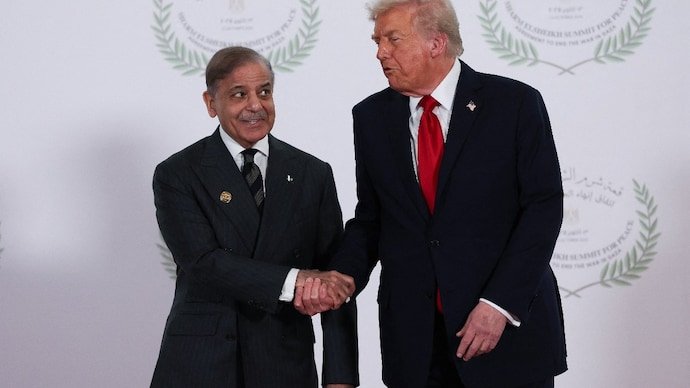
After months of military confrontation, diplomatic deadlock, economic disruption, and growing fears of a wider regional war, the United States and Iran have signed a landmark memorandum of understanding designed to halt hostilities and establish a framework for long-term peace. The agreement, which officially entered into force this week, represents one of the most significant diplomatic developments in West Asia in recent years.
What makes the breakthrough particularly remarkable is not merely the fact that Washington and Tehran reached an agreement after years of hostility. Equally significant is the role played by Pakistan, which emerged as the principal mediator and host of crucial negotiations that ultimately helped both sides bridge seemingly irreconcilable differences.
The accord is being viewed as a pivotal moment for regional security, global energy markets, International Diplomacy, and the evolving geopolitical landscape of the Middle East and South Asia. It also reflects a broader shift toward diplomatic conflict resolution at a time when military escalation appeared increasingly likely.
What Is the US-Iran Peace Agreement?
The memorandum of understanding establishes a structured framework aimed at ending nearly four months of intense conflict between the United States and Iran. While the agreement does not instantly resolve every contentious issue between the two countries, it creates a roadmap for reducing tensions and pursuing negotiated solutions.
The deal reportedly contains fourteen key provisions covering security arrangements, economic relief measures, implementation timelines, confidence-building mechanisms, and discussions surrounding Iran’s nuclear activities. The agreement also extends an immediate ceasefire and grants negotiators a defined period to work out technical details.
For both countries, the agreement represents a pragmatic recognition that continued conflict would have imposed enormous military, economic, and political costs.
Washington sought a mechanism to avoid a prolonged regional conflict while preserving strategic stability. Tehran, meanwhile, sought economic relief, sanctions-related concessions, and recognition of its core national interests.
The result is a compromise that neither side may view as perfect, but both considered preferable to continued confrontation.
How the Conflict Escalated Before Diplomacy Took Over
The road to the agreement was anything but smooth. The conflict had gradually expanded across multiple fronts, creating fears of a broader regional war involving several state and non-state actors.
Military operations, retaliatory strikes, maritime security concerns, disruptions to shipping routes, and growing uncertainty in energy markets combined to create a volatile Environment. Global investors, regional governments, and international institutions watched closely as tensions threatened to destabilise one of the world’s most strategically important regions.
The conflict’s consequences extended far beyond the immediate battlefield. oil prices experienced volatility, international shipping companies reassessed routes, and governments across Europe and Asia intensified diplomatic efforts to prevent further escalation.
As casualties mounted and economic pressures increased, political leaders on all sides faced growing incentives to explore diplomatic alternatives.
That environment ultimately created the conditions necessary for meaningful negotiations.
Pakistan’s Unexpected Diplomatic Moment
One of the most notable aspects of the agreement is Pakistan’s role as mediator.
Historically, major negotiations involving Washington and Tehran have often involved intermediaries such as Oman, Switzerland, Qatar, or European powers. In this instance, however, Pakistan emerged as a central diplomatic facilitator.
The mediation effort elevated Islamabad’s international profile and demonstrated its ability to engage simultaneously with competing regional and global actors.
Pakistan’s involvement was not limited to hosting meetings. According to various accounts surrounding the negotiations, Pakistani officials helped maintain communication channels, reduce misunderstandings, and keep discussions moving during periods when talks appeared at risk of collapsing.
The success of the mediation effort has generated considerable discussion among geopolitical analysts who view it as one of Pakistan’s most consequential diplomatic interventions in decades.
The Key Figures Behind the Agreement
Major international agreements rarely emerge from a single negotiation table. Instead, they are typically the result of countless discussions, informal contacts, back-channel communications, and political calculations.
Several leaders played crucial roles in bringing the agreement to fruition.
On the American side, President Donald Trump made the deal a central foreign policy priority. Throughout the negotiations, the administration sought to balance domestic political considerations, strategic security concerns, and regional alliance commitments.
Vice President J.D. Vance emerged as an important figure in shaping the administration’s negotiating strategy. Senior envoy Steve Witkoff reportedly coordinated key elements of the diplomatic effort and participated in extensive discussions with Iranian representatives and mediators.
Former adviser Jared Kushner also reportedly contributed to broader diplomatic outreach through established regional contacts.
Within Iran, President Masoud Pezeshkian became the public face of the negotiations while working closely with Iran’s National Security establishment.
Senior officials, including Foreign Minister Abbas Araghchi and Parliament Speaker Mohammad Bagher Ghalibaf, played important roles in shaping Tehran’s negotiating position and managing communication with international mediators.
Pakistan’s mediation effort was led by Prime Minister Shehbaz Sharif and senior military Leadership, including Field Marshal Asim Munir. Foreign Minister Ishaq Dar coordinated diplomatic outreach to multiple countries while maintaining active communication with both negotiating parties.
Why Islamabad Became the Chosen Venue
The selection of Islamabad as a venue for important negotiations reflected both strategic and practical considerations.
Pakistan maintains working relationships with both Washington and Tehran. While its ties with the United States have historically involved security cooperation and diplomatic engagement, Pakistan also shares a border with Iran and maintains regular channels of communication with Tehran.
This unique position allowed Islamabad to serve as a relatively acceptable meeting point for both sides.
Geography also played a role. Pakistan’s location places it at the intersection of South Asia, Central Asia, and West Asia, making it a natural venue for discussions involving regional security.
The country’s diplomatic establishment leveraged these advantages effectively throughout the negotiation process.
Economic Implications of the Peace Deal
The agreement’s impact extends well beyond diplomacy.
West Asia remains central to global energy markets, international shipping routes, and economic stability. Any prolonged conflict involving major regional powers carries significant consequences for the world Economy.
By reducing immediate security risks, the agreement has the potential to improve market confidence and stabilise energy prices.
For Iran, the economic provisions are particularly important. Relief measures contained within the framework could provide opportunities for greater economic activity, increased trade, and improved access to financial resources.
Economic recovery will not occur overnight, but the agreement creates conditions that could support gradual improvement.
For international businesses and investors, reduced geopolitical uncertainty may encourage greater engagement with regional markets.
Impact on Regional Security Architecture
The agreement also has significant implications for regional security.
For years, tensions between Washington and Tehran have influenced conflicts and political developments across multiple countries. The relationship has shaped strategic calculations involving Gulf states, Iraq, Syria, Lebanon, and other parts of the region.
If implemented successfully, the agreement could reduce the likelihood of direct military confrontation and create opportunities for broader diplomatic engagement.
However, implementation remains the crucial challenge.
Peace agreements often succeed or fail based not on the signing ceremony but on the difficult work that follows. Verification mechanisms, political commitment, domestic pressures, and regional reactions will all influence whether the accord produces lasting stability.
The Nuclear Question Remains Central
Despite the breakthrough, one of the most sensitive issues remains unresolved: Iran’s nuclear programme.
The agreement establishes a framework for continued discussions rather than a final settlement.
Negotiators now face the complex task of addressing enrichment levels, inspections, monitoring mechanisms, and long-term guarantees.
The challenge is substantial because both sides approach the issue from fundamentally different perspectives.
Washington seeks assurances regarding nuclear activities and regional security implications. Tehran insists on protecting its sovereign rights while seeking relief from restrictions that have affected its economy.
Finding common ground on these issues will likely determine whether the broader agreement evolves into a durable peace framework.
Global Diplomatic Reactions
The international community has largely welcomed the agreement.
Governments across Europe, Asia, and the Middle East have expressed support for efforts aimed at reducing tensions and preventing further conflict.
International organisations have also emphasised the importance of dialogue and diplomacy in addressing complex security challenges.
Many observers view the agreement as evidence that even deeply entrenched geopolitical disputes can be managed through sustained negotiation.
At the same time, some analysts remain cautious.
History offers numerous examples of agreements that initially generated optimism but later encountered implementation difficulties. As a result, many governments are monitoring developments carefully before drawing definitive conclusions about the accord’s long-term significance.
What the Agreement Means for Pakistan
For Pakistan, the successful mediation effort represents a major diplomatic achievement.
The country has often sought a larger role in international diplomacy and regional conflict resolution. Facilitating a breakthrough between the United States and Iran provides an opportunity to demonstrate diplomatic relevance on a global stage.
The success could strengthen Pakistan’s international standing and enhance its credibility as a mediator in future disputes.
It may also create opportunities for deeper engagement with regional partners and major powers seeking constructive diplomatic channels.
While challenges remain, Islamabad’s role in the negotiations is likely to be remembered as a defining moment in its recent foreign policy history.
The Future of US-Iran Relations
The agreement does not transform decades of rivalry into a partnership overnight. Deep differences continue to exist on security, regional influence, sanctions, and strategic priorities.
Nevertheless, the accord establishes an important foundation.
By creating mechanisms for communication and negotiation, it reduces the risk that future disagreements automatically escalate into military confrontation.
The coming months will be critical. Negotiators must convert broad principles into practical arrangements while managing domestic political pressures and regional concerns.
Success will require patience, flexibility, and sustained political commitment from all parties involved.
Conclusion: A New Chapter for West Asia?
The US-Iran peace agreement represents far more than a diplomatic document. It reflects a collective decision to prioritise negotiation over escalation at a moment when conflict appeared increasingly entrenched.
The deal highlights the growing importance of regional mediation, the enduring value of diplomacy, and the possibility of compromise even between long-standing adversaries.
Pakistan’s role in facilitating the agreement has added an unexpected dimension to the story, demonstrating how middle powers can influence major geopolitical outcomes when they successfully position themselves as trusted intermediaries.
Whether the agreement ultimately delivers lasting peace remains uncertain. The challenges ahead are substantial, and many contentious issues remain unresolved.
Yet the fact that Washington and Tehran have moved from confrontation to negotiation is itself a significant development. In a region often defined by conflict, the agreement offers at least the possibility of a more stable future.
The next chapter will be written not by the signatures on the memorandum, but by the willingness of all parties to transform diplomatic promises into durable reality.
For breaking news and live news updates, like us on Facebook or follow us on Twitter and Instagram. Read more on Latest World on thefoxdaily.com.






COMMENTS 0