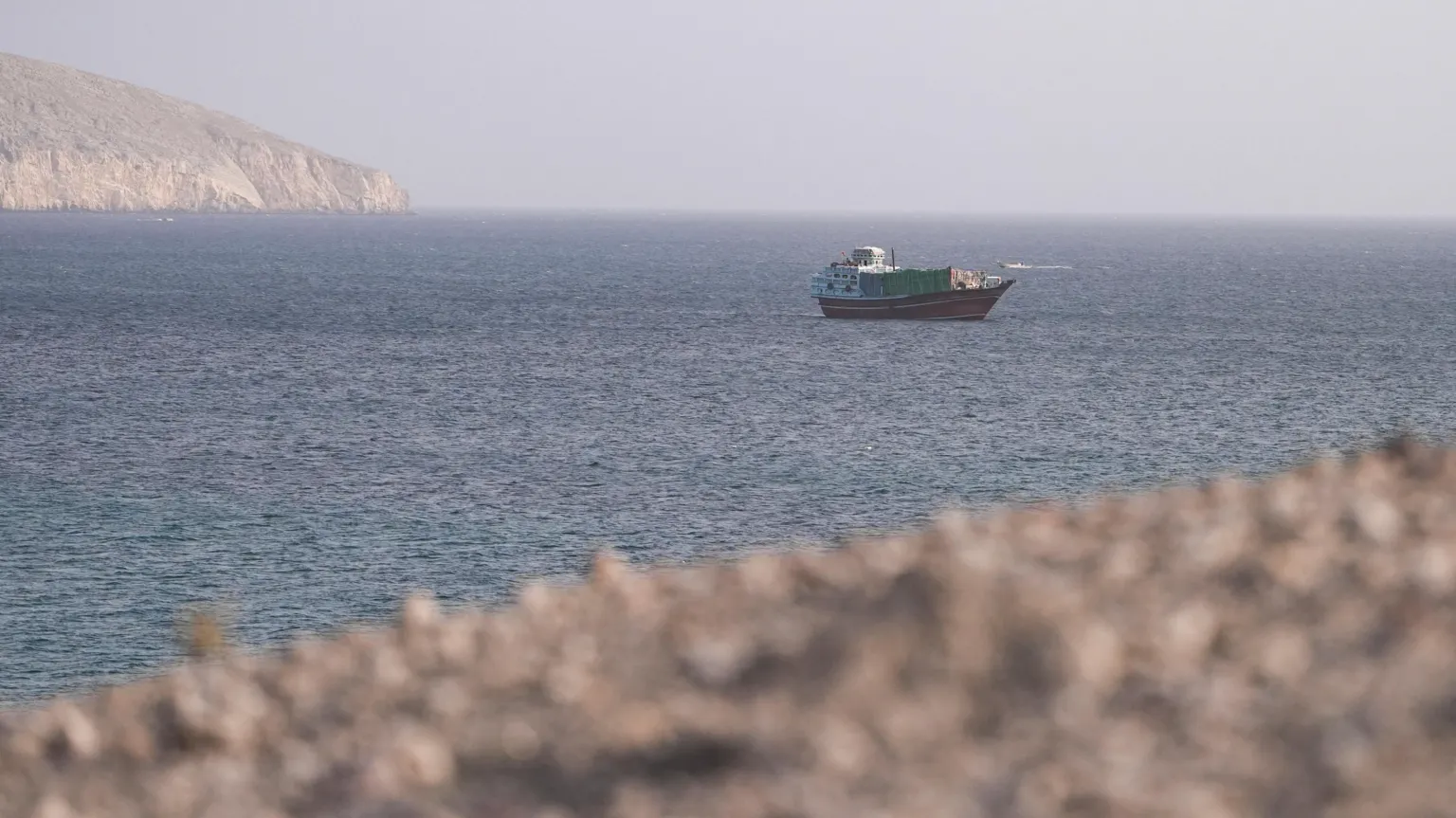
The United States has carried out a sixth consecutive night of military strikes against Iran, marking another escalation in a conflict that is increasingly affecting regional security, global energy markets, and international diplomacy. According to the U.S. military, the latest operation targeted Iranian military infrastructure to weaken its operational capabilities, while Iranian officials accused Washington of striking civilian facilities, including bridges, transportation infrastructure, and an airport.
As military operations intensify, the closure of the Strait of Hormuz—a strategic maritime corridor through which a significant share of the world’s oil exports passes—has become one of the conflict’s most consequential developments. Governments, energy markets, and international organizations are closely monitoring the situation, fearing prolonged disruption could have far-reaching economic and security consequences.
Latest Developments in the Conflict
U.S. Central Command (CENTCOM) confirmed that American forces conducted another wave of coordinated strikes against what it described as Iranian military targets. According to the military, the operation involved fighter aircraft, naval assets, and unmanned systems targeting coastal surveillance facilities, air defense positions, logistics infrastructure, and maritime military capabilities.
The latest strikes are part of an ongoing campaign intended to reduce Iran’s ability to conduct military operations in and around the Strait of Hormuz.
Iranian state media, however, reported that several civilian sites were also affected during the attacks, including bridges, transportation facilities, and an airport. Independent verification has confirmed damage to at least one bridge in Hormozgan Province, although the complete extent of the reported infrastructure damage has not yet been independently established.
Iran Announces Retaliatory Military Operations
Iran’s Islamic Revolutionary Guard Corps (IRGC) stated that it responded by launching attacks against multiple U.S.-linked military assets across the region.
Among the claims made by Iranian officials were strikes targeting:
- Maritime surveillance radar installations in Oman.
- Military-related targets in Kuwait.
- Facilities in Bahrain.
- A U.S. special operations command center near al-Tanf in southeastern Syria.
At the time of reporting, several of these claims had not been independently confirmed by U.S. or regional authorities.
Regional militaries also reported intercepting additional Iranian missiles and drones, highlighting the widening geographic scope of the conflict beyond Iran’s borders.
Why the Strait of Hormuz Matters
The Strait of Hormuz remains one of the world’s most strategically important waterways.
Located between Iran and Oman, the narrow shipping corridor connects the Persian Gulf to international markets through the Gulf of Oman and the Arabian Sea. A substantial portion of globally traded crude oil and liquefied natural gas passes through this route every day.
| Strategic Importance | Why It Matters |
|---|---|
| Global Energy Trade | One of the world’s busiest oil shipping routes. |
| Regional Security | Critical naval passage for commercial and military vessels. |
| Economic Stability | Disruptions can influence global fuel prices and inflation. |
| International Shipping | Essential route connecting Gulf energy producers to world markets. |
Any prolonged disruption in the strait has the potential to affect international supply chains, transportation costs, and energy prices worldwide.
US Maritime Operations Expand
Alongside its air campaign, the United States has expanded maritime enforcement activities in the Gulf of Oman.
According to CENTCOM, American forces boarded an oil tanker and redirected several commercial vessels as part of a renewed blockade targeting Iranian ports. Military officials stated that these operations are intended to restrict Iran’s maritime capabilities while protecting international shipping routes.
Maritime interdiction operations have become an increasingly important component of the broader campaign, reflecting the strategic importance of controlling access to regional waterways.
Civilian Infrastructure Claims Raise International Attention
Iranian officials have accused the United States of striking civilian infrastructure, including bridges, railway facilities, and an airport. Such allegations have drawn international attention because attacks affecting civilian infrastructure can carry significant humanitarian and legal implications under international law.
The U.S. military has stated that its operations are directed against military objectives and has not publicly confirmed targeting civilian facilities. As is common during active conflicts, independent verification of all battlefield claims remains ongoing.
The distinction between military infrastructure and dual-use facilities often becomes a central issue during armed conflicts, particularly when transportation networks support both civilian life and military logistics.
Growing Concerns Over Global Energy Markets
The continuing closure of the Strait of Hormuz has become one of the most closely watched economic consequences of the conflict.
Energy analysts warn that sustained disruptions could lead to:
- Higher global oil prices.
- Increased fuel costs for consumers.
- Greater inflationary pressure.
- Shipping delays.
- Higher transportation and manufacturing costs worldwide.
Energy-importing nations are particularly vulnerable because prolonged supply disruptions can affect electricity generation, industrial production, and consumer prices.
International Calls for Diplomacy
Despite the escalating military exchanges, diplomatic efforts continue.
Several countries have urged both Washington and Tehran to resume negotiations to prevent further regional instability. International leaders remain concerned that continued military escalation could draw additional countries into the conflict and increase risks throughout the Middle East.
The United States has indicated that diplomatic channels remain open, while Iranian officials have emphasized that any future agreement must address the country’s security and strategic interests.
The Humanitarian Dimension
Beyond military objectives, conflicts of this scale inevitably affect civilian populations.
Damage to transportation infrastructure, interruptions to commercial activity, and uncertainty surrounding essential services can have lasting consequences for communities living near conflict zones.
Humanitarian organizations typically monitor access to healthcare, transportation, electricity, and food supplies during periods of sustained military operations, particularly when infrastructure becomes part of the conflict environment.
Regional Security Risks Continue to Grow
The latest exchanges demonstrate how rapidly localized military actions can spread across multiple countries.
Reports of missile interceptions over Jordan and drone activity near northern Iraq illustrate the increasingly regional character of the confrontation. As more nations become involved in air defense operations and maritime security, the possibility of unintended escalation grows.
Military analysts often warn that conflicts involving multiple regional actors become significantly more difficult to de-escalate because actions in one theater can quickly trigger responses elsewhere.
What Happens Next?
Several factors will likely determine the direction of the conflict over the coming days and weeks:
- Whether military operations continue at their current pace.
- The status of commercial shipping through the Strait of Hormuz.
- Future diplomatic negotiations between Washington and Tehran.
- The response of regional governments and international organizations.
- The stability of global energy markets.
Any breakthrough in negotiations could reduce immediate tensions, while additional military exchanges risk expanding the conflict further.
Expert Analysis: Why the Strait of Hormuz Is the Conflict’s Strategic Center
Although airstrikes dominate headlines, control of the Strait of Hormuz may ultimately prove to be the conflict’s most strategically significant element. Modern economies rely heavily on uninterrupted maritime trade, and energy markets react quickly to uncertainty surrounding major shipping corridors.
Unlike isolated military engagements, disruptions affecting one of the world’s most important energy chokepoints can influence inflation, financial markets, shipping insurance costs, and economic growth far beyond the Middle East. This explains why governments around the world continue urging restraint while closely monitoring developments in the region.
Conclusion
The sixth consecutive night of U.S. strikes against Iran marks another major escalation in an already volatile regional conflict. While Washington says its operations are aimed at degrading Iranian military capabilities, Tehran maintains that civilian infrastructure has also been affected and has announced retaliatory attacks against U.S.-linked targets across the region.
Beyond the battlefield, the continuing closure of the Strait of Hormuz has elevated the crisis into a matter of global economic importance, raising concerns about energy security, international shipping, and geopolitical stability. As diplomatic efforts continue alongside military operations, the coming days will be critical in determining whether the conflict moves toward de-escalation or enters an even more dangerous phase with wider regional and global consequences.
For breaking news and live news updates, like us on Facebook or follow us on Twitter and Instagram. Read more on Latest World on thefoxdaily.com.




COMMENTS 0