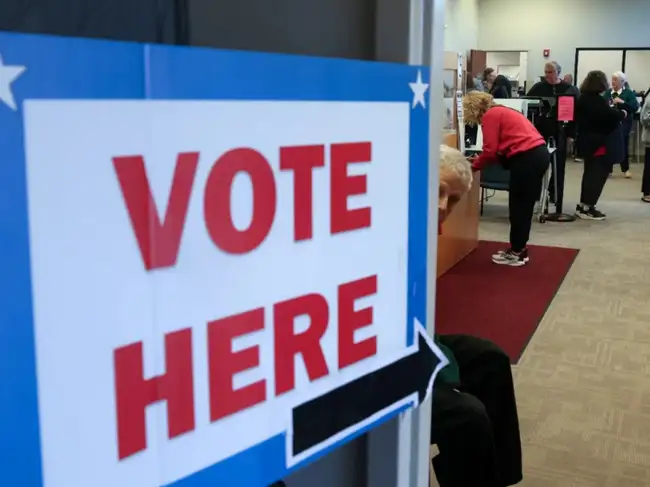
The 2026 US midterm elections will take place on November 3, with voters across the country preparing to elect members of Congress and decide several state and local contests. Voting procedures vary by state, including rules on voter identification, polling locations, early voting and mail-in ballots.
Voters should check their registration status, confirm where they need to vote and understand the requirements in their state before heading to the polling station. Those unable to vote in person on Election Day may also have access to early voting or mail-in and absentee ballot options, depending on local rules.
How to Vote in the US Midterm Elections 2026
Eligible voters can cast their ballots through different methods depending on the rules established by their state. These generally include voting in person on Election Day, using an early voting period or submitting a mail-in or absentee ballot.
Before voting, check your registration status and identify your assigned polling location through your state or local election office. It is also important to review the candidates and ballot measures appearing on your ballot so that you know what choices you will be asked to make.
Because election administration is handled largely at the state and local levels, deadlines, identification requirements and voting options can differ across the country.
Early Voting in the 2026 US Midterm Elections
Many states offer early voting, allowing registered voters to cast their ballots before November 3. The option can help people who cannot visit a polling station on Election Day because of work, travel, personal commitments or other circumstances.
Early voting dates, locations and operating hours depend on state and local election rules. Some areas offer several weeks of early voting, while others provide a shorter period.
Voters should check with their local election office to confirm whether early voting is available, when it begins and which locations can accept their ballots. They should also review any identification or registration requirements that apply.
Voting by Mail and Absentee Voting
Mail-in and absentee voting allow eligible voters to cast their ballots without visiting a polling station in person. These options can be particularly useful for people who are away from home, have difficulty travelling or prefer to complete their ballot before Election Day.
Rules differ by state. Some states send mail ballots automatically to eligible voters, while others require voters to submit an application. Certain states also require an approved reason for absentee voting, whereas others allow broader access to mail voting.
Voters should confirm the application deadline, ballot delivery arrangements and return requirements with their state or local election office.
How to Return a Mail-In Ballot
After completing a mail-in or absentee ballot, voters must return it according to the instructions provided by their election office. Depending on state rules, ballots may be returned through the postal service, an authorised drop box or an election office.
Some states require ballots to be received by Election Day, while others use a postmark deadline, provided the ballot arrives within a specified period. These rules can affect whether a ballot is counted.
Voters should carefully follow the instructions printed on the ballot envelope, complete any required signatures and return the ballot before the applicable deadline. They should also check whether their state offers a ballot-tracking service to confirm that the election office has received it.
What Do You Need to Vote in the US Midterm Elections?
Voter identification requirements vary across the United States. Some states require voters to present a government-issued photo ID, while others accept different forms of identification or use alternative verification procedures.
In some states, voters who do not have the required identification may be able to cast a provisional ballot or complete an additional verification process. The rules and procedures depend on the state.
Before going to the polling station, voters should check:
- Whether their voter registration is active.
- The address of their assigned polling location.
- Which forms of identification are accepted, if ID is required.
- The polling station’s opening and closing times.
- Whether they need to bring any additional documents.
Checking these details in advance can help prevent avoidable delays or problems on polling day.
Language Assistance for Voters
Voters who are not comfortable voting in English may be able to access language assistance, depending on their location and applicable election requirements.
Some jurisdictions provide translated election materials, bilingual poll workers or other support to help voters understand ballot instructions and voting procedures. Federal law also requires certain jurisdictions to provide language assistance to eligible language-minority groups.
Voters who need assistance should contact their local election office before Election Day to find out which languages are supported and what services are available at their polling location.
Accessibility Arrangements for Voters With Disabilities
Election authorities are required to provide accessible voting arrangements for eligible voters with disabilities. Available facilities can include accessible polling locations, voting equipment designed for independent use and assistance from trained poll workers.
Voters may also have access to alternative voting methods, including mail ballots, depending on state rules. Those who need specific accommodations should contact their local election office ahead of time to confirm what facilities are available.
Federal protections under the Americans with Disabilities Act and other voting laws require election officials to make voting accessible to people with disabilities.
Check Your Ballot Before Voting
Before casting a ballot, voters should review the candidates and measures listed on it. Midterm election ballots can include contests for the US House of Representatives, the Senate, state legislatures and local offices, along with ballot initiatives and other proposals.
The candidates and questions vary depending on where a voter lives. Reviewing an official sample ballot before Election Day can help voters understand the choices and avoid spending additional time trying to identify candidates or measures at the polling station.
Voters should use official election resources to check candidate information, ballot language and voting instructions.
What If You Face Problems While Voting?
Voters who encounter difficulties at a polling station should speak to a poll worker or the local election office. If their name does not appear on the voter list or their eligibility is questioned, they can ask about the procedures available under state law.
In many states, eligible voters who face registration or identification issues may be able to cast a provisional ballot. Election officials will then determine whether the ballot can be counted after checking the voter’s eligibility.
Voters who experience intimidation, discrimination or other interference with their right to vote can report the issue to election officials or the appropriate authorities. Federal resources are also available for reporting potential violations of voting rights.
With state-specific rules governing registration, identification, polling locations and ballot returns, voters should rely on official state and local election websites for the latest instructions. Preparing in advance can help ensure they understand their options and are ready to participate in the November 3, 2026, midterm elections.
For breaking news and live news updates, like us on Facebook or follow us on Twitter and Instagram. Read more on Latest World on thefoxdaily.com.






COMMENTS 0