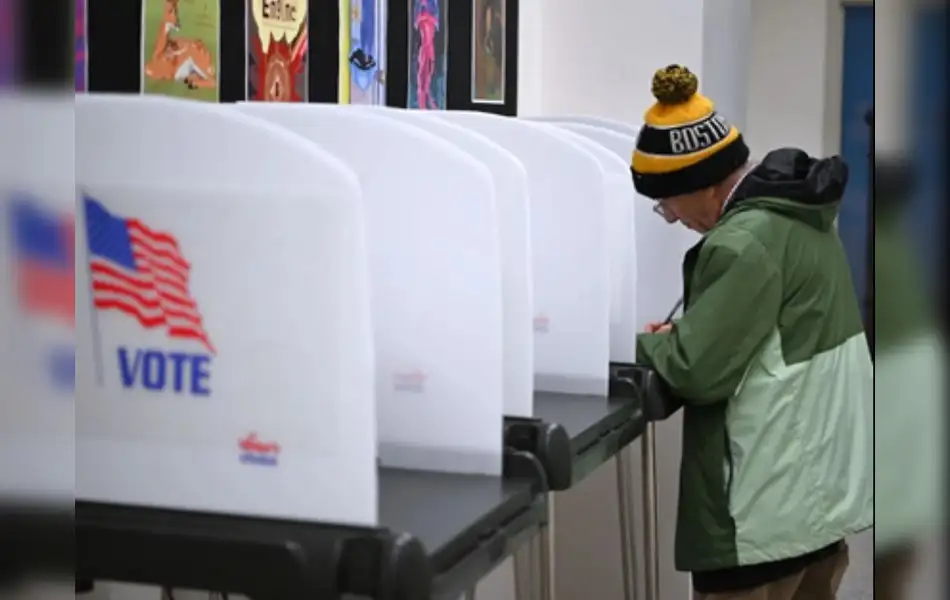
Voters across the United States will head to the polls on November 3 for the 2026 midterm elections, but the results announced on election night may not represent the final outcome. Although vote counting begins soon after polling stations close, election officials may need additional time to process mail-in ballots, count outstanding votes and complete verification procedures.
As a result, candidates who appear to be leading during the initial count could see their margins change as more ballots are included. Different states also follow different rules governing when counting can begin, how mail-in ballots are processed and when final results can be certified.
The process means that election night projections and unofficial results should not be confused with legally certified outcomes. Here is why counting can continue after November 3, what happens after polling stations close and when voters can expect the results to become official.
Why Are US Election Night Results Unofficial?
Election night results are generally unofficial because the counting process may still be underway when initial figures are reported. Election officials first count the ballots that are ready for processing, but some categories of votes may take longer to verify and include.
Mail-in ballots are one reason results can change after election night. Depending on state laws, election offices may be allowed to begin processing these ballots before Election Day or only after polling stations close. Processing can involve checking ballot envelopes, verifying voter information and preparing ballots for counting.
Some ballots may also arrive after November 3 and still be eligible for counting, provided they meet the applicable state requirements. This means an early lead does not necessarily indicate the final result.
State election laws also differ on when officials can begin counting votes and how they must handle outstanding ballots. Consequently, some states may report results relatively quickly, while others could take longer to complete the process.
What Happens After the Polls Close?
Once polling stations close, election officials begin reporting the votes counted so far. These initial figures are released as unofficial results and may be updated as additional ballots are processed.
The next stage involves completing the count, including eligible mail-in ballots and other outstanding votes. Election offices must follow their state’s procedures to ensure that ballots are properly processed and included.
As more votes are counted, the margins between candidates can change. A candidate leading in the initial results could see that advantage narrow or disappear as outstanding ballots are added.
After counting is completed, election officials conduct checks and audits to verify the results. The process is followed by certification, through which the relevant authorities formally confirm the election outcome.
Why Can Candidate Leads Change After Election Night?
Candidate leads can change because the votes reported first may not represent every ballot cast in an election.
For example, if a state has a significant number of mail-in ballots that cannot be processed until after Election Day, those votes may be added to the count later. The same applies to other eligible ballots that remain outstanding when initial results are reported.
The impact depends on the number of uncounted ballots, the candidates receiving those votes and the rules governing their processing. This is why election night figures should be treated as an early indication rather than a final declaration.
US Midterm Elections 2026: When Can Voters Expect the Final Results?
There is no single nationwide deadline for completing the count and certifying the results of the November 3 midterm elections. Each state follows its own election procedures and timelines.
Some contests may become clear soon after most votes are counted, while closely fought races could take longer because election officials must process outstanding ballots and complete verification procedures.
Even when media organisations project a winner, the projection is not the same as official certification. Election officials remain responsible for completing the count and confirming the results under state law.
Audits and other required checks are also part of the process. These steps help verify the reported totals before the results are formally certified.
How Can Voters Prepare Before November 3?
Voters can prepare for the midterm elections by checking their registration status and understanding the voting rules in their state. Since election procedures differ across the country, it is important to rely on official state and local election authorities for accurate information.
- Check voter registration: Confirm that your registration is active and that your personal information is correct.
- Find your polling location: Check the designated polling station and its operating hours before Election Day.
- Understand identification rules: Review whether your state requires identification or other documents to vote.
- Review mail-in voting rules: Check the requirements and deadlines for requesting, completing and returning an absentee or mail-in ballot.
- Understand early voting options: Find out whether your state offers early voting and what deadlines apply.
- Review the ballot: Check the candidates and ballot measures that will appear in your election district.
Voters should also remember that election procedures, including ballot deadlines and identification requirements, vary by state. Official election websites are the most reliable place to check the rules that apply to their location.
Why the Election Night Count Is Only the Beginning
The November 3 midterm elections will determine the outcome of hundreds of congressional contests, but the results will not necessarily be settled when polling stations close. Mail-in ballots, outstanding votes, state-specific counting rules and certification procedures can all affect the timeline.
Initial results and election night projections can provide an early picture of the races, but the official outcome depends on the completion of the count and the required verification process. For voters, understanding this distinction is important when following closely contested races and assessing election updates in the days after November 3.
For breaking news and live news updates, like us on Facebook or follow us on Twitter and Instagram. Read more on Latest World on thefoxdaily.com.





COMMENTS 0