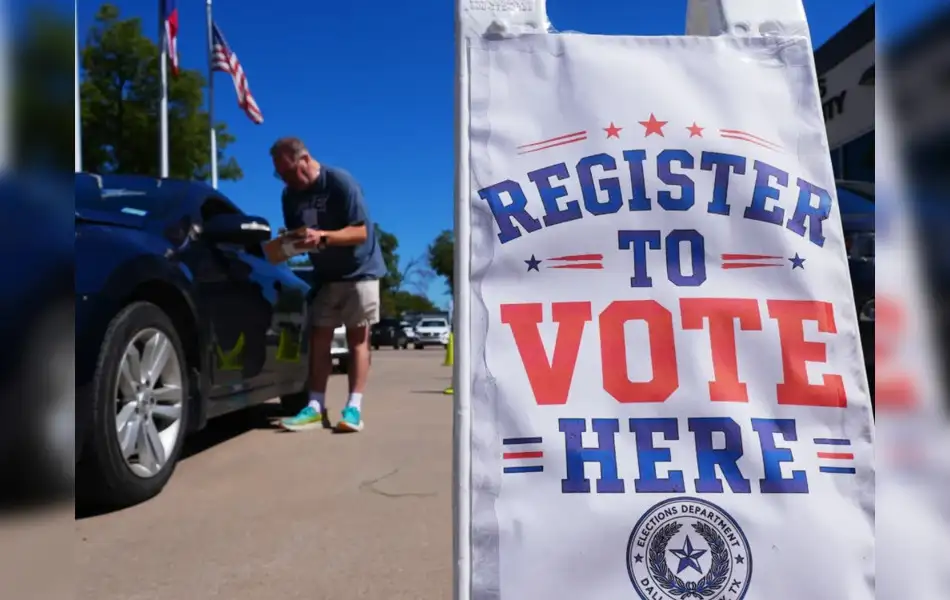
The 2026 US midterm elections are scheduled for Tuesday, November 3, 2026, when voters across the country will decide contests for Congress and numerous state and local offices. Although Election Day is the same nationwide, Voter Registration deadlines, early voting periods and mail-in ballot requirements differ from state to state.
For voters preparing to participate, understanding these rules is essential. Some states allow eligible residents to register and vote on the same day, while others require registration well before Election Day. Early voting arrangements and deadlines for requesting, completing and returning mail ballots also vary.
Millions of Americans are expected to participate in the midterm elections, making it important for voters to check their registration status and confirm the rules that apply in their state. A ballot that is requested, completed or returned after the relevant deadline may not be counted.
When Is Election Day 2026?
Election Day for the 2026 US midterm elections is Tuesday, November 3, 2026. Federal law establishes the first Tuesday after the first Monday in November as the date for congressional elections in even-numbered years.
Midterm elections take place halfway through a president’s four-year term. They determine the composition of the US House of Representatives and a portion of the Senate, alongside elections for governors, state legislatures and various local positions.
Unlike presidential elections, midterms do not determine who occupies the White House. However, they can significantly influence the direction of federal policymaking because the party controlling either chamber of Congress has an important role in legislation, government oversight and confirmation processes.
While November 3 is the nationwide Election Day, voters do not necessarily have to wait until that date to cast their ballots. States offer different early voting and absentee voting arrangements, allowing eligible voters to participate before the official election date.
Voter Registration Deadlines: What Should You Check?
Voter registration is one of the most important steps in preparing for the 2026 midterm elections. Each state establishes its own registration requirements and deadlines, meaning the final date to register can differ depending on where a voter lives.
Some states require voters to complete registration several weeks before Election Day. Others provide additional flexibility through same-day registration, which allows eligible residents to register and cast a ballot during the same visit to an authorised voting location.
Same-day registration is not available everywhere, and the documents required to establish eligibility may also differ. Voters should not assume that registration rules in one state apply in another.
Important Voter Registration Checks
- Confirm your registration status: Check whether your voter registration is active before Election Day.
- Check the registration deadline: Find out the final date for registering in your state.
- Review same-day registration rules: Determine whether your state allows eligible voters to register and vote on the same day.
- Update personal information: Check whether a recent move or change in personal details requires an update to your registration.
- Confirm eligibility requirements: Review the identification and documentation required by your state.
Voters who have recently moved should pay particular attention to registration requirements. A change of address may affect the polling location where they are eligible to vote and could require them to update their registration before casting a ballot.
How Does Early Voting Work in the 2026 Midterm Elections?
Early voting allows eligible voters to cast their ballots before November 3. It is intended to provide greater flexibility for people who may be unable to visit polling stations on Election Day because of work, travel, family responsibilities or other commitments.
States determine whether early in-person voting is available, when it begins, how long it continues and which locations voters can use. Some provide multiple days or weeks for early voting, while others have different arrangements for absentee or in-person voting before Election Day.
Early voting periods may also vary between counties within the same state. Local election authorities generally publish information about voting locations, operating hours and any requirements that voters must meet.
States With Different Early Voting Arrangements
Alabama, Mississippi and New Hampshire are among the states voters should examine carefully when checking early voting and absentee voting arrangements. Their rules may differ from those in states offering broader early in-person voting opportunities.
- Alabama: Voters should review the state’s absentee voting requirements, application procedures and relevant deadlines.
- Mississippi: Residents should check the eligibility conditions and procedures for absentee voting through official election authorities.
- New Hampshire: Voters should confirm the state’s rules for absentee ballots and the circumstances under which they can be requested.
These examples illustrate why voters should not rely on a single nationwide early voting schedule. The availability of early in-person voting and absentee ballot options depends on state election law.
What to Check Before Voting Early
- Confirm the first and last dates of early voting in your state.
- Find an authorised early voting location.
- Check the opening and closing hours of the voting centre.
- Review identification requirements before travelling.
- Confirm whether you need to bring any registration documents.
Voters should also remember that early voting locations may differ from their assigned Election Day polling places. Checking the correct location in advance can help prevent unnecessary travel or confusion.
What Should You Know About Mail-In Ballots?
Mail-in voting is another important option in the 2026 US midterm elections, particularly for people who cannot vote in person. However, the rules governing mail ballots vary significantly across states.
Some states send mail ballots automatically to eligible registered voters, while others require voters to submit an application. In certain states, absentee ballots are available only to people who meet specified eligibility conditions. Other states provide broader access to mail voting.
The deadline for requesting a mail ballot is also different from the deadline for returning a completed ballot. Voters need to understand both dates to ensure that their ballot can be received and processed according to state law.
Mail-In Ballot Checklist
- Check whether an application is required: Find out if your state automatically sends ballots or requires voters to request one.
- Confirm the request deadline: Submit any required application before the official cutoff.
- Verify your mailing address: Make sure election officials have your current address.
- Follow ballot instructions: Complete all required sections and sign wherever instructed.
- Use the correct return method: Check whether your ballot must be mailed or can be returned through an authorised drop box or election office.
- Understand the receipt deadline: Determine whether the ballot must arrive by Election Day or whether state law provides another applicable deadline.
- Track your ballot: Use available official tracking services to check whether election officials have received it.
One important distinction is that the postmark date and the date a ballot is received by election officials are not necessarily treated the same way in every state. Some states require ballots to arrive by a specified deadline, while others allow certain ballots postmarked by Election Day to be received later.
Voters should therefore avoid assuming that placing a ballot in the mail on November 3 will automatically make it valid. Checking the applicable state deadline is essential.
Why Do Voting Rules Differ From State to State?
The United States does not operate under one identical voting procedure for every state. Federal law establishes important national election requirements, but states retain significant authority over the administration of elections, including voter registration, early voting, absentee voting and ballot processing.
As a result, a voter in one state may have several weeks to cast an early ballot, while another voter may have fewer options before Election Day. Registration deadlines and identification requirements can also differ.
Local election offices administer many practical aspects of the voting process. They provide information about polling locations, registration records, ballot applications and procedures for returning completed ballots.
This variation makes it particularly important for voters who move between states to check the rules where they are currently registered rather than relying on information from their previous state.
How to Find Official Voting Information
With different deadlines and procedures across the country, voters should rely on official election resources rather than unverified social media posts or outdated online information.
The US Election Assistance Commission provides federal election information and resources that can help voters identify relevant state election authorities. State election websites and local county election offices provide the most specific details about registration deadlines, polling locations and ballot procedures.
Before voting, residents should confirm:
- Whether their voter registration is active.
- The registration deadline applicable in their state.
- Where and when early voting is available.
- Whether they qualify for an absentee or mail-in ballot.
- The deadline for requesting and returning a mail ballot.
- The location and operating hours of their assigned polling place.
- Any identification or documentation required to vote.
2026 US Midterm Election: Final Voter Checklist
As November 3 approaches, voters can use the following checklist to prepare for the election and avoid last-minute problems.
- Registration: Verify that your voter registration is active and that your details are correct.
- Deadlines: Check your state’s registration deadline and whether same-day registration is available.
- Early voting: Confirm the dates, locations and hours for early in-person voting.
- Mail ballots: Review application requirements, return procedures and receipt deadlines.
- Polling location: Confirm where you must vote on November 3 if you plan to vote in person.
- Identification: Check which documents, if any, you need to bring.
- Election updates: Follow announcements from official state and local election authorities.
What Happens After Election Day?
Although November 3 is the scheduled Election Day, the final results may not be available immediately after polling stations close. Election officials must count ballots, verify results and complete required procedures before results can be certified.
Mail-in ballots, provisional ballots and close contests can contribute to delays in determining final outcomes. The time required to complete counting and certification varies by state and election.
Voters should distinguish between preliminary election-night results and officially certified results. News organisations may report projected winners based on available information, but those projections are not the same as formal certification by election authorities.
Conclusion
The 2026 US midterm elections will take place on Tuesday, November 3, with voters participating in congressional, state and local contests across the country. While the national Election Day is fixed, registration deadlines, early voting opportunities and mail-in ballot procedures depend on state-specific rules.
Checking registration status, understanding ballot deadlines and confirming polling locations can help voters avoid common problems. With different requirements across the country, the most reliable approach is to consult official state and local election offices before making voting arrangements.
For breaking news and live news updates, like us on Facebook or follow us on Twitter and Instagram. Read more on Latest World on thefoxdaily.com.






COMMENTS 0