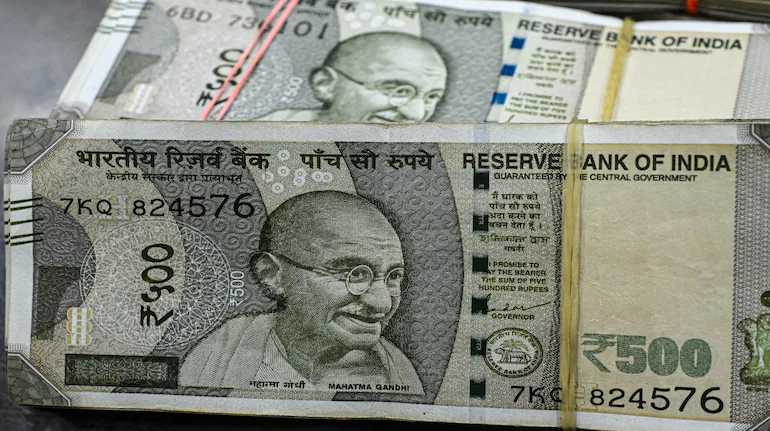
Indian importers sharply reduced their forward dollar purchases in October, offering a sign that the Reserve Bank of India‘s (RBI) measures to support the rupee are having an impact on currency markets. Forward dollar purchases fell 35% month-on-month to $49.5 billion, the lowest level since February, according to clearinghouse data.
The decline followed a series of measures introduced by the central bank to curb speculative positions against the rupee and reduce pressure on the foreign-exchange market. The currency has recovered around 2% against the US dollar since the measures were implemented, although concerns over India’s external finances and continued demand for dollars remain.
Importers’ Forward Dollar Purchases Hit Eight-Month Low
Indian companies bought $49.5 billion in forward dollars during October, down 35% from the record level recorded in September. These contracts allow businesses to purchase US dollars at a predetermined rate on a future date, helping importers protect themselves against potential losses if the rupee weakens.
The fall in forward purchases suggests that companies have reduced their demand for currency hedges as the cost of building forward dollar positions has increased. The October figure was the lowest since February, indicating a significant slowdown in importer hedging activity.
However, the decline should not be interpreted as a complete reduction in India’s underlying demand for dollars. Average monthly dollar purchases by importers have increased around 40% this year to approximately $62 billion, reflecting continued demand for the US currency.
How RBI Measures Are Affecting the Rupee
The RBI introduced sweeping foreign-exchange measures last month as the rupee approached a record low against the dollar. The steps included a foreign-exchange risk reserve requirement, aimed at making it more expensive for banks and market participants to build certain forward dollar positions.
By raising the cost of hedging, the measures have discouraged some market participants from taking large forward positions. This has helped ease pressure in the forward market and supported the rupee’s recovery.
The latest intervention also reflects the central bank’s increasing use of regulatory measures alongside direct market operations. The approach builds on steps taken in March and highlights the RBI’s efforts to manage currency volatility and limit speculative activity.
Despite the recent rebound, the rupee remains among Asia’s weaker-performing currencies this year. High oil costs continue to put pressure on India’s external finances, while demand for dollars remains substantial.
Currency Curbs Raise Hedging Costs and Disrupt Markets
Although the RBI’s measures have helped contain pressure in the forward market, they have also disrupted normal hedging activity. Trading activity slowed sharply after the restrictions took effect, while the cost of buying protection against a weaker rupee rose to multi-year highs last month and remained elevated.
Higher hedging costs can affect businesses and investors that rely on forward contracts to manage currency risks. Importers may face greater expenses when protecting themselves against a weaker rupee, while exporters may reconsider the timing of their dollar sales.
The uncertainty surrounding currency policy and the cost of protection could also influence foreign investors’ decisions about holding Indian assets.
Foreign Investors Face Higher Currency-Hedging Costs
Higher currency-hedging costs can reduce the returns foreign investors receive from Indian assets after accounting for exchange-rate risk. This is particularly relevant for overseas investors holding domestic bonds, as currency protection can erode the yield advantage offered by Indian debt.
Norbert Ling, head of fixed income portfolio management for Asia Pacific at Invesco Hong Kong Ltd., said the higher cost of hedging could reduce the attractiveness of Indian bonds for fully hedged investors.
Overseas investors sold approximately $590 million worth of index-eligible Indian bonds in October. This marked the second consecutive month of outflows, despite recent tax cuts for global funds.
The development highlights how currency-market restrictions can have effects beyond the rupee itself, influencing investment flows and the overall cost of holding Indian financial assets.
Exporters Also Reduce Forward Dollar Sales
The disruption in the foreign-exchange market has extended to exporters. Companies that receive payments in dollars often sell the currency forward to protect themselves against the risk of a stronger rupee reducing the value of their future receipts.
However, uncertainty over the rupee’s direction has encouraged exporters to hold back from selling dollars through forward contracts. Their forward dollar sales stood at $32.2 billion in October, the lowest level since May, according to the clearinghouse data.
The decline indicates that both importers and exporters are adjusting their hedging strategies in response to changing market conditions and higher transaction costs.
Are RBI’s Rupee Defence Measures a Long-Term Solution?
The fall in importer dollar purchases and the rupee’s recovery suggest that the RBI’s regulatory intervention has helped ease immediate pressure in the Currency Market. However, economists caution that such measures may provide tactical relief rather than address the underlying factors affecting the rupee.
Madhavi Arora, chief economist at Emkay Global Financial Services Ltd., said the measures reflect policymakers’ discomfort with persistent foreign-exchange pressures but described them as tactical fixes rather than structural solutions.
This distinction is important because India’s currency outlook also depends on factors such as oil prices, international capital flows and the country’s broader external financing requirements. Regulatory restrictions can influence market positioning, but they do not remove these underlying pressures.
What to Watch in the Rupee Market
- Importer dollar demand: Forward purchases fell 35% in October to $49.5 billion, an eight-month low.
- Rupee movement: The currency has recovered around 2% against the US dollar following the RBI measures.
- Hedging costs: The cost of protecting against rupee weakness reached multi-year highs and remains elevated.
- Exporter activity: Forward dollar sales by exporters declined to $32.2 billion, the lowest level since May.
- Foreign bond flows: Overseas investors sold around $590 million of index-eligible Indian bonds in October.
- Underlying dollar demand: Average monthly importer dollar purchases have risen around 40% this year to approximately $62 billion.
Rupee Outlook: Immediate Relief, but Underlying Pressures Remain
The RBI’s currency measures appear to have reduced activity in the forward dollar market, with importer purchases falling to their lowest level in eight months. The rupee’s approximately 2% recovery also suggests that the intervention has helped ease immediate market pressure.
However, the decline in forward purchases comes alongside higher hedging costs and reduced activity among exporters. Foreign investors are also facing a smaller yield advantage after accounting for currency protection costs.
Going forward, the rupee’s performance will depend not only on RBI intervention but also on oil prices, dollar demand, foreign investment flows and India’s external financial position. The latest figures point to some short-term relief, but they do not yet establish that the broader pressures on the currency have been resolved.
For breaking news and live news updates, like us on Facebook or follow us on Twitter and Instagram. Read more on Latest Business on thefoxdaily.com.






COMMENTS 0