Primary Keyword: DR Congo Ebola outbreak 3000 cases
LSI Keywords: Ebola outbreak Congo 2026, Bundibugyo Ebola strain Africa, Ituri province epidemic, Ebola containment challenges, Global Health emergency Ebola, Congo healthcare crisis, Ebola response efforts Africa, infectious disease outbreaks analysis
Introduction: A Growing Crisis in Central Africa
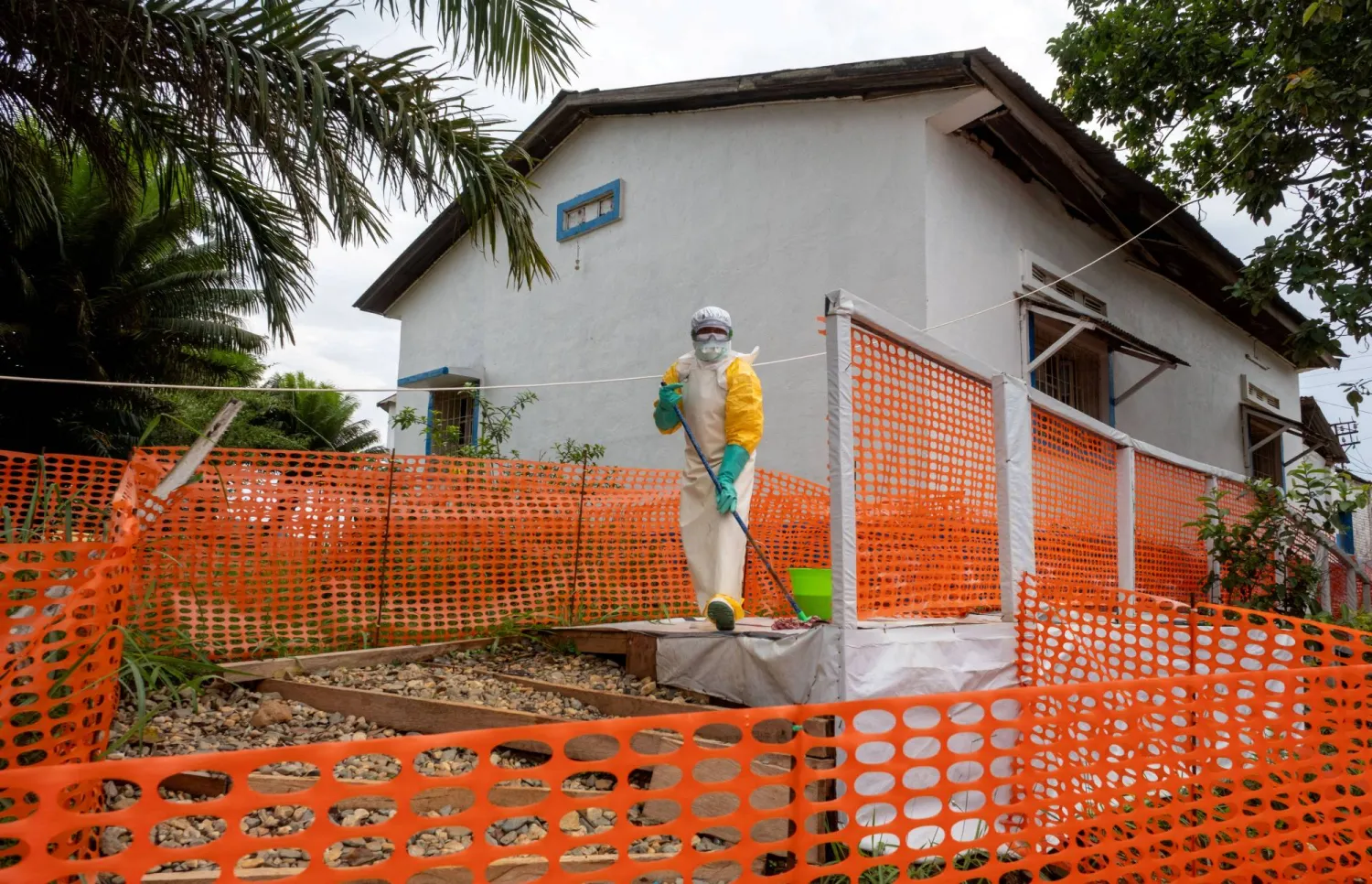
The Democratic Republic of Congo (DR Congo) is once again battling a deadly Ebola outbreak, with reported cases now surpassing 3,000. Centered in the conflict-affected Ituri province, the outbreak is rapidly evolving into a major public health emergency.
Who: Health authorities in DR Congo, supported by international agencies
What: Ebola outbreak exceeding 3,000 cases
When: Ongoing escalation in 2026
Where: Primarily in Mongbwalu and surrounding areas in Ituri province
Why: Spread of the Bundibugyo strain combined with systemic challenges
How: Through community transmission, healthcare gaps, and logistical hurdles
Despite years of experience dealing with Ebola, the current situation highlights how fragile containment efforts can be when multiple crises overlap.
Understanding Ebola: A Deadly but Containable Virus
Ebola is a severe viral disease that spreads through direct contact with bodily fluids of infected individuals or contaminated surfaces.
Key Symptoms
- High fever
- Fatigue and muscle pain
- Vomiting and diarrhoea
- Internal and external bleeding in severe cases
While Ebola is highly lethal, it is also containable with timely intervention—making the scale of this outbreak particularly concerning.
The Bundibugyo Strain: What Makes This Outbreak Different?
The current outbreak involves the Bundibugyo strain of the Ebola virus, which is less common than the Zaire strain but still dangerous.
Characteristics of the Bundibugyo Strain
- Lower fatality rate compared to some strains
- Less widely studied
- Limited vaccine and treatment data
This uncertainty complicates response strategies and slows decision-making.
Ground Zero: Why Ituri Province Is Struggling
The outbreak’s epicentre, Ituri province, presents unique challenges that make containment difficult.
Key Challenges
- Conflict and insecurity: Armed groups limit access to affected areas
- Weak healthcare infrastructure: Limited hospitals and trained staff
- Community mistrust: Resistance to medical interventions
These factors create a perfect storm where even proven containment strategies struggle to succeed.
Healthcare Workers Under Pressure
Frontline health workers are the backbone of the response—but they are facing immense strain.
- High risk of infection
- Long working hours in hazardous conditions
- Limited resources and protective equipment
Recent reports of protests and strikes over unpaid wages highlight a critical issue: without supporting healthcare workers, containment efforts cannot succeed.
Containment Measures: What’s Being Done
Authorities and global health organisations are intensifying efforts to control the outbreak.
Key Interventions
- Isolation and treatment of infected patients
- Contact tracing and monitoring
- Community awareness campaigns
- Deployment of medical teams and supplies
However, implementation remains uneven due to logistical and security challenges.
Comparison: Previous Ebola Outbreaks vs Current Situation
| Aspect | Previous Outbreaks | Current 2026 Outbreak |
|---|---|---|
| Strain | Zaire (more studied) | Bundibugyo (less studied) |
| Healthcare readiness | Improved over time | Strained by local conditions |
| Security | Variable | Highly unstable in affected areas |
| Global response | Faster mobilisation | Challenged by complexity |
The current outbreak is not just a medical challenge—it’s a geopolitical and logistical one.
Why This Matters Globally
Although the outbreak is concentrated in DR Congo, its implications extend far beyond national borders.
Global Risks
- Potential cross-border spread
- Strain on international health resources
- Impact on global health security systems
In an interconnected world, no outbreak remains isolated for long.
A Unique Insight: The Human Factor in Epidemic Control
One of the most overlooked aspects of outbreaks like this is the human element.
Even the best medical strategies can fail if:
- Communities do not trust authorities
- Healthcare workers are unsupported
- Local conditions prevent access
Epidemic control is as much about sociology as it is about science.
Real-World Impact: Lives, Livelihoods, and Systems
The outbreak is affecting more than just health:
- Disrupting local economies
- Straining already fragile healthcare systems
- Creating fear and uncertainty among communities
For many families, the impact is both immediate and long-term.
Prediction: What Happens Next?
The trajectory of the outbreak will depend on several critical factors:
Best-Case Scenario
- Improved coordination and funding
- Stabilisation of affected regions
- Effective community engagement
Worst-Case Scenario
- Continued spread due to insecurity
- Healthcare system collapse in affected areas
- Regional escalation
The next few weeks will be crucial in determining which path unfolds.
Conclusion: A Crisis That Demands More Than Medical Solutions
The DR Congo Ebola outbreak surpassing 3,000 cases is a stark reminder that Infectious Diseases thrive where systems are weakest.
While medical tools and knowledge have improved over the years, this outbreak shows that:
- Healthcare infrastructure matters as much as treatment
- Community trust is essential for containment
- Global cooperation is critical
Containing Ebola is possible—but only if science, policy, and human support systems work together.
For breaking news and live news updates, like us on Facebook or follow us on Twitter and Instagram. Read more on Latest Health on thefoxdaily.com.





COMMENTS 0