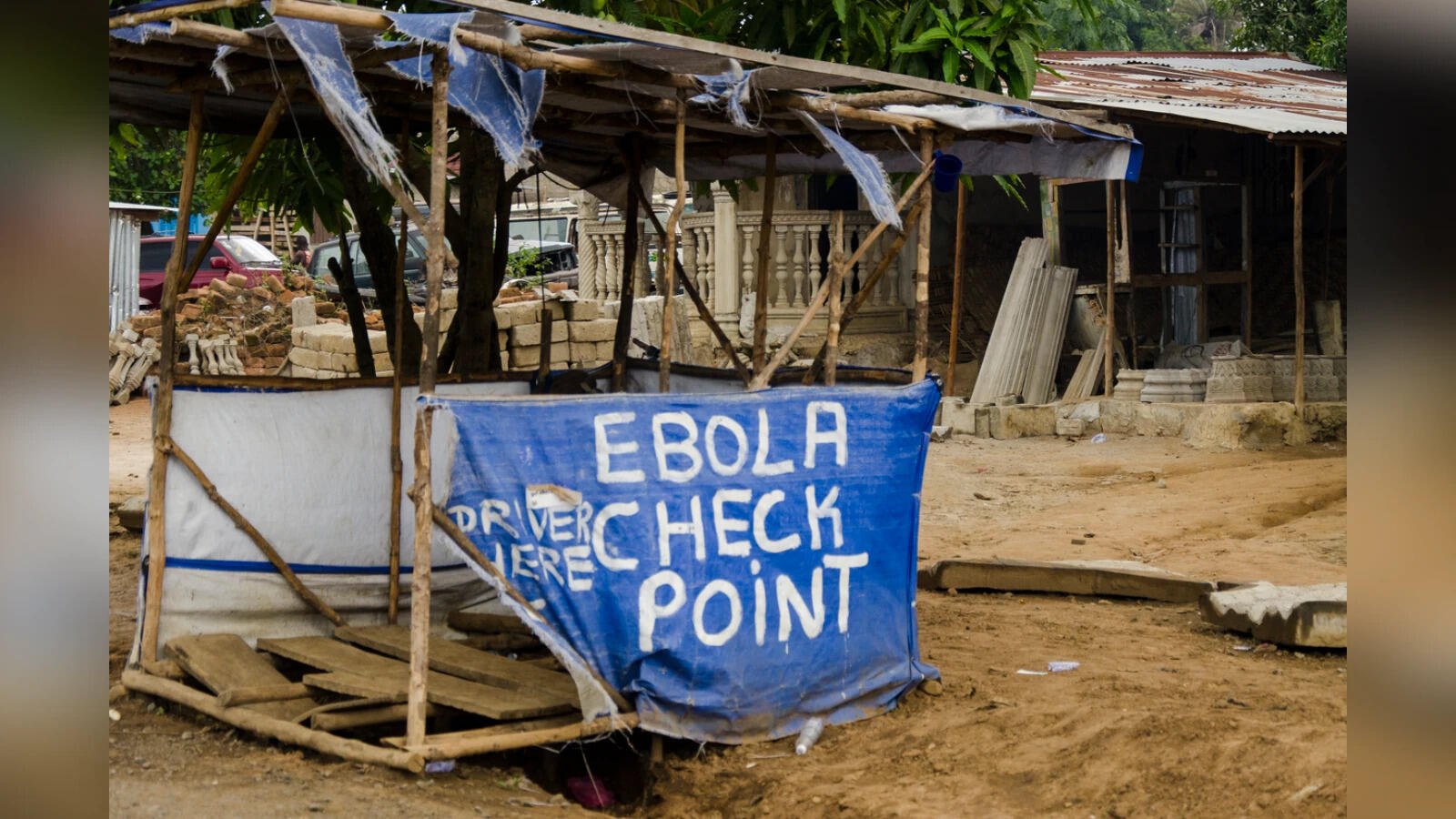
The ongoing Ebola Outbreak in the Democratic Republic of the Congo (DRC) remains a serious public health concern, despite signs of progress in some affected areas, Africa’s leading public health agency has warned. The Africa Centres for Disease Control and Prevention (Africa CDC) said recent data continue to show gaps in infection prevention and control, along with challenges in identifying contacts and preventing community transmission.
Africa CDC Urges Continued Vigilance
In a scientific review released on September 17, the Africa CDC Emergency Consultative Group said declines in cases and deaths in some hotspots, particularly Ituri province, were encouraging. However, the epidemiological situation remains uneven, with increases reported in some health zones, especially in North Kivu.
The group said available evidence does not yet confirm that the outbreak has reached its peak. It recommended maintaining the Public Health Emergency of Continental Security designation and continuing intensive response measures. 0
Infection Prevention Gaps Remain a Concern
One of the continuing challenges is infection prevention and control (IPC). These measures are essential in healthcare facilities and communities to reduce the risk of Ebola transmission between patients, caregivers, health workers and other contacts.
Africa CDC has also identified persistent gaps in contact identification and follow-up, community deaths and community ownership of the response. Strengthening these areas is considered important for preventing further transmission and consolidating progress already made.
Ebola Outbreak Has Spread Across Multiple Provinces
The current outbreak is caused by the Bundibugyo virus, a strain of Ebola that has created additional challenges for the response. The outbreak began in the DRC and has also involved Uganda, prompting continental and international health authorities to coordinate their response.
By September, official figures showed that the DRC had recorded more than 7,000 confirmed infections, with the outbreak extending into a seventh province. The spread across geographically separated areas has made surveillance, contact tracing and rapid response more difficult. 1
Progress in Some Areas, But Outbreak Is Not Over
Health authorities have reported encouraging developments in parts of the country. In Ituri, one of the main outbreak hotspots, case numbers have declined and response activities have helped improve the situation.
However, the situation is not uniform across the DRC. North Kivu has continued to experience increases in cases, while population movement and insecurity can complicate surveillance and access to affected communities. Africa CDC therefore recommends maintaining response intensity rather than assuming that declining case numbers in some locations signal the end of the outbreak. 2
Why Infection Control Is Critical During an Ebola Outbreak
Ebola can spread through direct contact with the blood or other body fluids of an infected person or someone who has died from the disease. Healthcare workers and family members caring for patients can therefore face elevated exposure risks if appropriate protective and infection-control measures are not consistently followed.
Effective outbreak control requires a combination of early case detection, laboratory testing, isolation, contact tracing, safe care, infection prevention, safe and dignified burials and community engagement. Weaknesses in any of these areas can allow transmission chains to continue.
Vaccination and Medical Countermeasures
The current outbreak has also presented a challenge because it is driven by the Bundibugyo virus rather than the Zaire ebolavirus responsible for several previous Ebola outbreaks. Africa CDC has noted that licensed vaccines and therapeutics specifically targeting Bundibugyo virus remain limited, creating additional constraints for the response. 3
Health authorities and researchers have been working on vaccines, diagnostics and potential treatments while strengthening surveillance and other public health measures. Vaccination efforts have also been undertaken among frontline workers, although the effectiveness of existing Ebola vaccines against the Bundibugyo strain remains an important area of investigation. 4
What Africa CDC Recommends Next
The Africa CDC scientific group has called for continued response efforts rather than a premature declaration that the outbreak has peaked. Priorities include strengthening contact identification, infection prevention and control, community engagement and essential health services.
The agency is also working with the DRC government, affected communities, the World Health Organization and other partners to adapt the response as the epidemiological situation changes. 5
Bottom Line
The Ebola situation in the Democratic Republic of the Congo shows signs of progress in some areas, but health authorities continue to regard the outbreak as a serious public health emergency. Declining infections in certain hotspots have not been enough to establish that transmission is under control nationwide. Persistent gaps in infection prevention, contact identification and community response mean that sustained surveillance and coordinated action remain essential.
“`6
For breaking news and live news updates, like us on Facebook or follow us on Twitter and Instagram. Read more on Latest Health on thefoxdaily.com.



COMMENTS 0