A major public health Controversy has erupted in Rajasthan after officials confirmed that a batch of oxytocin injections supplied to government hospitals failed quality testing and was subsequently banned across the state.
The development has drawn national attention because the same batch was reportedly used at Kota’s New Medical College Hospital, where at least five pregnant and postpartum women died after developing severe complications following surgeries, including Caesarean deliveries.
While investigators have not officially concluded that the drug directly caused the deaths, the incident has exposed alarming vulnerabilities in India’s public healthcare supply system especially around essential maternal medicines used during childbirth.
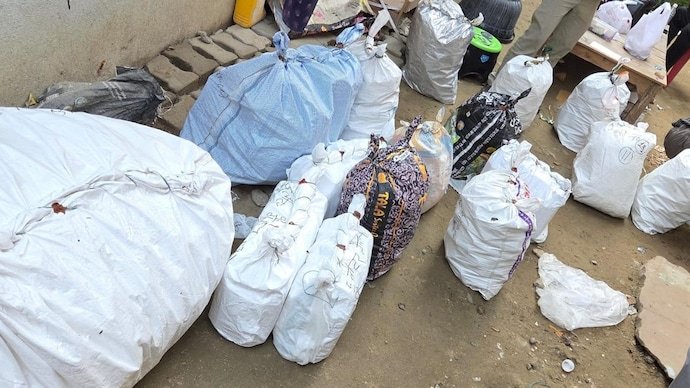
The Rajasthan Drug Control Department has now halted the sale and use of the suspected batch statewide, seized available stock and launched a broader Investigation into potentially counterfeit or substandard medicines circulating in hospitals.
The case has also reignited larger concerns about drug regulation, rural healthcare quality and maternal mortality risks in India.
What Is Oxytocin and Why Is It So Important During Childbirth?
Oxytocin is one of the most critical medicines used in obstetric care worldwide.
It is commonly administered during and after childbirth to:
- Stimulate labour contractions
- Prevent excessive bleeding after delivery
- Help the uterus contract properly
- Reduce the risk of postpartum haemorrhage
Postpartum haemorrhage severe bleeding after childbirth remains one of the leading causes of maternal deaths globally.
That is why oxytocin is included in the World Health Organization’s list of essential medicines.
If the drug fails to work properly during critical medical situations, the consequences can become life-threatening within minutes.
What Happened at Kota’s New Medical College Hospital?
According to officials and preliminary findings, multiple women undergoing C-section deliveries and uterine surgeries at Kota’s New Medical College Hospital developed sudden complications within hours of their procedures.
Doctors reportedly observed symptoms including:
- Sharp drops in blood pressure
- Rapid decline in platelet counts
- Kidney-related complications
- Post-surgical instability
- Severe bleeding concerns
Several women died after their conditions deteriorated rapidly.
The timing of the complications triggered immediate scrutiny of medicines and fluids used during treatment.
Investigators later discovered that the oxytocin batch administered at the hospital had reportedly failed laboratory quality tests.
Authorities are also examining intravenous fluids and other medicines used during the surgeries.
Why the Failed Oxytocin Batch Is So Concerning
The issue is not merely that the medicine was “substandard.”
Officials indicated that the injection allegedly lacked the required active component necessary to support blood clotting and postpartum bleeding control.
That distinction is critical.
A weak or ineffective oxytocin injection during childbirth can severely compromise emergency medical response when doctors are trying to stabilize patients experiencing heavy bleeding.
In obstetric emergencies, timing is everything.
Even small delays or ineffective medication during postpartum bleeding can dramatically increase mortality risk.
This is why regulators moved quickly to halt the batch statewide.
Rajasthan’s Statewide Crackdown on Suspected Fake Medicines
The oxytocin case appears to be part of a much larger pharmaceutical quality crisis emerging in Rajasthan.
Officials said multiple medicine samples tested over recent days had failed quality checks.
| Medicine Investigation Area | Status |
|---|---|
| Oxytocin injections | Batch failed quality testing |
| IV fluids used in surgeries | Under investigation |
| Antibiotics | Some samples reportedly failed |
| Emergency medicines | Under scrutiny |
| Government hospital supply chains | Statewide review initiated |
According to preliminary findings, drugs used for:
- Fever treatment
- Pain management
- Allergies
- Antibiotics
- Stomach infections
were among medicines that allegedly failed quality checks.
The medicines reportedly originated from manufacturers located across multiple Indian states.
India’s Counterfeit Medicine Problem Is Bigger Than Many Realize
The Rajasthan incident has once again exposed a difficult reality facing India’s healthcare system: counterfeit and substandard medicines remain a serious challenge despite regulatory improvements.
India is one of the world’s largest pharmaceutical producers and supplies medicines globally. However, the scale of manufacturing and distribution also creates oversight challenges.
Counterfeit or low-quality medicines can enter supply chains through:
- Weak quality control systems
- Poor storage conditions
- Unlicensed distributors
- Fraudulent manufacturing
- Tampered packaging
- Procurement loopholes
Government hospitals are particularly vulnerable because large-volume procurement systems sometimes prioritize cost efficiency over rigorous batch-level verification.
Why Maternal Healthcare Is Especially Vulnerable
Maternal healthcare depends heavily on timely access to reliable medicines.
Drugs used during childbirth often function in high-pressure emergency settings where doctors have only minutes to respond to complications.
Essential medicines commonly used during delivery include:
- Oxytocin
- Antibiotics
- Anaesthesia drugs
- IV fluids
- Blood products
- Pain management medications
If any critical medicine fails unexpectedly, doctors may struggle to stabilize patients quickly enough.
This makes drug quality assurance especially important in maternity care units.
India’s Maternal Mortality Progress Faces New Challenges
India has significantly reduced maternal mortality over the past two decades through expanded institutional deliveries, improved healthcare access and public health initiatives.
Government programs encouraging hospital-based childbirth have helped save thousands of lives.
However, incidents like the Kota case reveal that infrastructure alone is not enough.
The quality and safety of medicines used inside hospitals are equally important.
If patients lose confidence in public healthcare systems due to fears over counterfeit medicines, it could undermine years of progress in maternal health awareness and institutional delivery campaigns.
The Supply Chain Question No One Can Ignore
One of the biggest questions emerging from this case is how the allegedly failed medicine batch entered hospital supply chains in the first place.
Investigators are expected to examine:
- Procurement procedures
- Drug testing protocols
- Storage conditions
- Distribution channels
- Batch verification systems
- Hospital inventory management
Experts say the case highlights the need for stronger end-to-end pharmaceutical tracking systems in public healthcare.
Some healthcare analysts have also renewed calls for:
- QR-code verification systems
- Digital batch tracking
- Independent random testing
- AI-driven supply monitoring
- Stricter procurement audits
Doctors and Hospital Staff Under Pressure
The incident has also placed enormous pressure on doctors and hospital staff.
Medical personnel are often the first to face public anger during such tragedies, even when failures may originate elsewhere in the Supply Chain.
Rajasthan authorities have reportedly suspended some medical staff linked to the case pending investigation.
However, many healthcare professionals argue that systemic failures including procurement and regulatory oversight must also be examined carefully.
Simply blaming frontline staff may not address the deeper structural issues involved.
Could This Trigger National-Level Drug Audits?
The scale of attention surrounding the Rajasthan case may push authorities toward wider pharmaceutical inspections across India.
Public health experts have increasingly warned about the need for stronger medicine surveillance systems, particularly in government hospitals serving large populations.
The incident could potentially accelerate reforms involving:
- Centralized drug testing
- Stricter licensing rules
- Faster recall mechanisms
- Improved hospital procurement oversight
- More transparent pharmaceutical reporting
If implemented effectively, such reforms could strengthen patient safety far beyond Rajasthan.
The Human Cost Behind the Headlines
Behind the policy discussions and investigations are grieving families who lost mothers, daughters and wives during what should have been routine childbirth procedures.
For many families, the possibility that a compromised medicine may have played a role in the deaths is deeply disturbing.
Maternal deaths carry particularly devastating emotional and social consequences because they often affect entire households, newborn children and long-term family stability.
That emotional impact explains why the case has triggered such intense public reaction across Rajasthan.
What Happens Next?
Investigators are expected to continue examining both the oxytocin batch and other medicines used at the hospital.
The state government has already launched a high-level enquiry, while specialists from Jaipur’s SMS Medical College have been sent to assist in medical evaluation and forensic review.
Key questions investigators will likely focus on include:
- Whether the failed medicine directly contributed to the deaths
- How the batch passed through procurement systems
- Whether similar batches reached other hospitals
- If additional counterfeit medicines are circulating
- Whether regulatory negligence occurred
The final findings could have major implications for hospital procurement systems across India.
Conclusion
The Rajasthan oxytocin controversy is not just a hospital tragedy it is a warning sign about the vulnerabilities inside critical healthcare supply systems.
While investigators have not yet officially linked the failed drug batch directly to the maternal deaths in Kota, the case has already exposed serious concerns surrounding medicine quality control, public hospital procurement and patient safety.
Oxytocin is one of the world’s most essential maternal healthcare drugs. Any compromise in its quality can place lives at immediate risk.
The incident has also highlighted a broader issue confronting India’s healthcare system:
As medical infrastructure expands, ensuring the reliability, authenticity and safety of medicines may become just as important as building hospitals themselves.
The outcome of the Rajasthan investigation could now shape future reforms in pharmaceutical regulation, hospital procurement and maternal healthcare standards nationwide.
For breaking news and live news updates, like us on Facebook or follow us on Twitter and Instagram. Read more on Latest India on thefoxdaily.com.

COMMENTS 0