The Society of Indian Automobile Manufacturers (SIAM) has found itself at the centre of a Controversy after withdrawing a letter it had sent to the Ministry of Petroleum and Natural Gas (MoPNG) highlighting concerns about vehicle component failures allegedly linked to fuel contamination following the introduction of E20 petrol.
The episode has sparked discussion among automobile manufacturers, consumers and policy observers over Fuel Quality standards, ethanol blending, and the relationship between industry bodies and government policy. While SIAM has reaffirmed its support for India‘s ethanol blending programme and stated that there is no cause for public concern, activists have questioned the decision to retract the earlier communication.
What Did SIAM’s Original Letter Say?
In a letter dated July 28 to the Ministry of Petroleum and Natural Gas, SIAM informed the government that its member companies had observed what it described as a “massive increase” in customer complaints involving certain vehicle components.
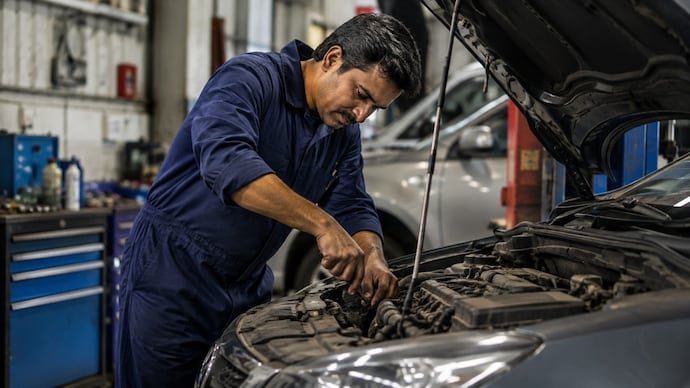
According to the communication, the affected parts included fuel injectors, fuel pumps, exhaust gas recirculation (EGR) valves, exhaust components and other parts that come into direct contact with fuel or engine emissions.
The industry body stated that field investigations indicated corrosion and wear caused by high chloride presence in fuel as a significant factor behind these failures.
The letter also noted that member companies had observed an increase in chloride-related issues after the introduction of E20 petrol.
What Is E20 Petrol?
E20 petrol is a fuel blend containing 20% ethanol and 80% petrol. The Government of India has promoted ethanol blending as part of its Ethanol blended petrol (EBP) programme with objectives that include improving Energy Security and reducing dependence on imported fossil fuels.
Ethanol is an alcohol-based renewable fuel that can be produced from agricultural feedstocks. When blended with petrol, it can help diversify fuel sources and support domestic biofuel production.
However, higher ethanol blends also require vehicle compatibility, particularly for components that come into prolonged contact with fuel.
What Was the Reported Concern?
According to SIAM’s original communication, investigations pointed towards corrosion associated with chloride contamination in fuel rather than ethanol itself.
The letter stated that high chloride levels were contributing to corrosion and wear in certain engine and fuel system components.
A research paper published in the journal Corrosion Science, referenced in the source material, explains that chloride contamination can occur when saltwater, chemical impurities or industrial cleaning agents enter the fuel supply chain. Moisture accumulation and ageing underground storage infrastructure can also contribute to contamination.
The article does not state that E20 fuel itself contains chloride. Instead, SIAM’s reported concern related to contamination observed after the wider introduction of E20.
Why Chloride Matters in Automotive Fuel
Chloride contamination is considered undesirable because it can accelerate corrosion of metal components exposed to fuel and combustion by-products.
According to the information provided, prolonged exposure may damage fuel system components or exhaust-related parts depending on the extent of contamination.
To address this issue, SIAM reportedly recommended introducing explicit mandatory chloride limits within the Bureau of Indian Standards (BIS) specifications for ethanol-blended fuels.
SIAM’s Technical Recommendations
The original communication reportedly suggested strengthening fuel quality standards by specifying stricter chloride limits.
According to the source material, SIAM recommended:
- Less than 1 mg/kg total chloride for commercial E20 and E85 fuels.
- Less than 3 mg/kg total chloride for anhydrous ethanol used in fuel blending.
The letter also noted that existing BIS specifications prohibit the addition of chlorine or chloride materials to automotive fuels, while testing procedures are available if contamination is suspected.
Why the Letter Became Controversial
The issue attracted wider attention after the contents of the letter became public.
Shortly afterwards, SIAM issued an official clarification stating that it was withdrawing its earlier communication.
In its subsequent statement, the industry body reaffirmed its support for the Government of India’s E20 initiative, describing the programme as important from an energy security perspective.
SIAM also stated that there was no cause for concern and said such technical issues had been routinely addressed between automobile manufacturers and oil marketing companies over several decades.
Government’s Response
The Ministry of Petroleum and Natural Gas also responded to reports regarding fuel contamination.
According to the ministry, Oil Marketing Companies (OMCs) regularly monitor fuel quality across the country and have strengthened their quality assurance systems.
The ministry stated that additional water ingress testing is being conducted between eight and twelve times daily at more than 87,000 retail fuel outlets.
It further said that over 2,000 fuel samples had been tested for chloride and sulphide contamination, with only two cases of chloride contamination detected nationwide. According to the ministry, sales from those outlets were immediately suspended, and strict action would be taken wherever contamination is identified.
SIAM’s Clarification
In its clarification, SIAM said it was withdrawing the earlier communication while reassuring consumers that the automobile industry remained fully supportive of the government’s ethanol blending programme.
The organisation stated that the reported issues did not represent a broader cause for public concern and described them as technical matters routinely handled through established coordination between vehicle manufacturers and fuel suppliers.
The clarification did not elaborate on the reasons for withdrawing the earlier letter.
Activists Question the Withdrawal
The withdrawal drew criticism from some activists and industry observers.
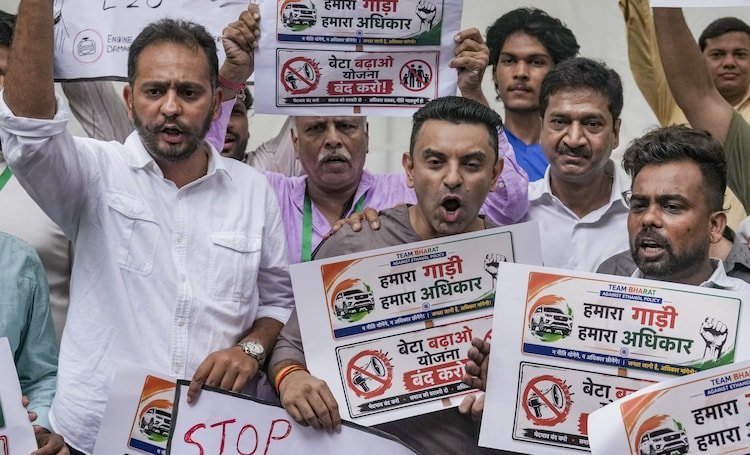
Tehseen Poonawalla, founder of Team Bharat, alleged that SIAM’s retraction reflected administrative pressure and argued that the organisation had retreated from its own technical findings.
According to Poonawalla, the original communication contained engineering observations and technical data that should not have been withdrawn if they accurately reflected industry concerns.
These statements represent allegations made by the activist. The available information does not establish that SIAM withdrew its communication because of external pressure.
Separately, automotive platform founder Sunderdeep Singh criticised the industry’s reversal on social media following the clarification.
The Debate Over Vehicle Compatibility
The controversy has also renewed discussion regarding vehicle compatibility with higher ethanol blends.
According to the source material, although E20 petrol became mandatory as part of the government’s rollout, many vehicles on Indian roads were not originally designed for sustained operation on higher ethanol blends.
Some consumer groups have argued that motorists should continue to have access to compatible fuel options until older vehicles are gradually replaced.
The article does not indicate that the government has announced any policy change regarding fuel availability in response to these demands.
Why This Issue Matters
The discussion extends beyond a single letter or technical disagreement.
It raises broader questions regarding:
- Fuel quality monitoring.
- Automotive engineering standards.
- Implementation of large-scale energy transition policies.
- Consumer confidence in ethanol-blended fuels.
- Coordination between vehicle manufacturers and fuel suppliers.
As India continues expanding ethanol blending, maintaining confidence in both fuel quality and vehicle compatibility will remain important for consumers, manufacturers and policymakers alike.
Timeline of Key Developments
| Event | Development |
|---|---|
| April 2023 | The Government of India mandated the rollout of E20 petrol as part of the Ethanol Blended Petrol programme. |
| July 28, 2026 | SIAM sent a letter to the Ministry of Petroleum and Natural Gas raising concerns regarding chloride contamination and vehicle component failures. |
| After the letter became public | Media reports highlighted the communication and its technical observations. |
| August 4, 2026 | SIAM issued a clarification withdrawing the earlier communication and reaffirming support for the government’s E20 initiative. |
| Subsequently | Activists and industry observers questioned the withdrawal, while the petroleum ministry reiterated its fuel quality monitoring measures. |
What Could Happen Next?
The next developments are likely to depend on continued cooperation between automobile manufacturers, oil marketing companies and government agencies responsible for fuel standards.
If additional technical evidence emerges regarding fuel contamination or vehicle compatibility, it could influence future discussions on fuel specifications, testing procedures or industry guidelines. At present, however, the government maintains that existing monitoring systems are functioning effectively, while SIAM has publicly stated that there is no broader cause for concern.
Broader Context
India’s ethanol blending programme represents a significant shift in the country’s fuel strategy, balancing environmental, economic and energy security objectives. Large-scale transitions of this Nature often require close coordination between policymakers, fuel suppliers and vehicle manufacturers to ensure that technical standards evolve alongside policy implementation.
The debate surrounding SIAM’s letter illustrates how questions of fuel quality, engineering standards and public communication can become intertwined during major policy changes. While the controversy has generated competing interpretations, the underlying issues of fuel quality assurance, vehicle reliability and consumer confidence are likely to remain central as India’s ethanol blending programme continues to expand.
For breaking news and live news updates, like us on Facebook or follow us on Twitter and Instagram. Read more on Latest India on thefoxdaily.com.






COMMENTS 0