- Why This Cabinet Expansion Matters Politically
- The BJP’s Core Challenge After 2024
- Caste Arithmetic Is at the Centre of the Expansion
- Who Are the Likely New Ministers?
- Western Uttar Pradesh Emerges as a Key Focus Area
- Why Brahmin Representation Still Matters
- Dalit Outreach Is Becoming Increasingly Important
- Why Rebel Opposition Leaders Matter to BJP
- Portfolio Reshuffle Could Be Equally Important
- Yogi Adityanath’s Position Inside BJP Remains Strong
- The BJP’s Bigger Goal: Rebuilding the 2022 Coalition
- Why 2027 Is Already Driving Political Decisions
- Opposition Will Watch Closely
- Conclusion
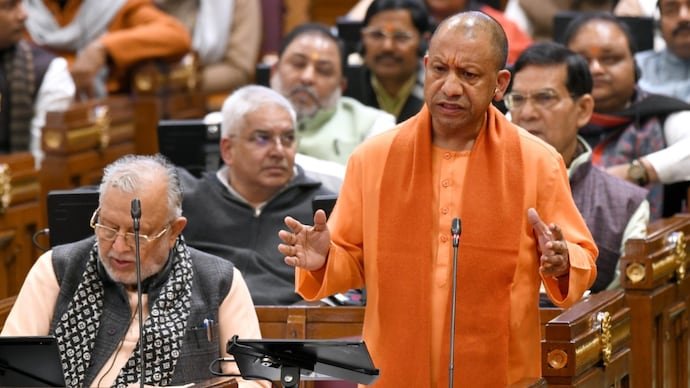
Uttar Pradesh Chief Minister Yogi Adityanath is expected to undertake a significant cabinet expansion and reshuffle, a move that could redefine the Bharatiya Janata Party’s political messaging ahead of the 2027 Assembly elections.
The swearing-in ceremony is likely to take place in Lucknow, with several new ministers expected to join the state government while existing portfolios may also be redistributed.
Although cabinet expansions are not unusual in Indian Politics, the timing, caste arithmetic and political signals surrounding this exercise make it especially important.
After the BJP’s comparatively weaker performance in Uttar Pradesh during the 2024 lok Sabha elections, the ruling party is now clearly focused on repairing social alliances, regaining lost voter segments and strengthening regional representation before the next major electoral battle.
Why This Cabinet Expansion Matters Politically
Uttar Pradesh is not just India’s most populous state it is also the political heartland that heavily shapes national politics.
Any major administrative or political move in the state is closely watched because of its direct impact on:
- National election strategy
- Caste coalition building
- Opposition dynamics
- Hindu-OBC-Dalit voter alignment
- BJP’s long-term political positioning
The cabinet expansion appears carefully designed to address concerns that emerged after the 2024 Lok Sabha results, where the BJP faced setbacks in several constituencies across Uttar Pradesh despite retaining significant strength.
The message from the results was clear: maintaining broad social coalitions in Uttar Pradesh requires constant political recalibration.
The BJP’s Core Challenge After 2024
While the BJP continues to remain the dominant political force in Uttar Pradesh, the 2024 parliamentary election exposed vulnerabilities in sections of:
- OBC communities
- Dalit voter blocs
- Regional caste alignments
- Rural dissatisfaction pockets
- Younger unemployed voters
The Samajwadi Party’s improved performance in parts of the state demonstrated that caste-based mobilization remains highly influential despite the BJP’s broader Hindutva-centric political framework.
As a result, the Yogi Adityanath government now appears to be balancing ideological messaging with targeted social representation.
Caste Arithmetic Is at the Centre of the Expansion
The names being discussed for induction reveal a deliberate social engineering strategy.
The BJP’s likely selections appear aimed at strengthening support among:
- Jat OBC voters
- Brahmins
- Pasi community voters
- Non-Yadav OBC groups
- Regional caste influencers
In Uttar Pradesh Politics, caste representation inside the cabinet often carries symbolic importance far beyond administrative Governance.
Communities frequently interpret ministerial appointments as indicators of political relevance and access to power.
Who Are the Likely New Ministers?
Several names being discussed reflect the BJP’s attempt to create broader social representation while also rewarding politically useful leaders.
| Leader | Community / Background | Political Significance |
|---|---|---|
| Bhupendra Chaudhary | Jat OBC leader | Strengthens western UP outreach |
| Manoj Pandey | Brahmin leader | Signals Brahmin balancing effort |
| Pooja Pal | Pal OBC community | Targets non-Yadav OBC voters |
| Ashok Kataria | Gurjar OBC leader | Regional influence in western UP |
| Krishna Paswan | SC/Pasi community | Dalit outreach strategy |
| Suresh Pasi | Pasi community leader | Strengthens SC social coalition |
The likely inclusion of leaders from different social backgrounds suggests the BJP is trying to rebuild its umbrella coalition model rather than depending solely on ideological consolidation.
Western Uttar Pradesh Emerges as a Key Focus Area
The probable induction of leaders such as Bhupendra Chaudhary and Ashok Kataria indicates that western Uttar Pradesh remains a major strategic focus.
This region carries enormous electoral importance because of its:
- High population density
- Jat and OBC influence
- Agricultural politics
- Communal polarization history
- Strategic parliamentary seats
The BJP’s performance in western Uttar Pradesh has fluctuated in recent years due to factors such as:
- Farmers’ protests
- Local caste equations
- Regional economic concerns
- Opposition coalition strategies
Strengthening cabinet representation from this region may help the party consolidate political control ahead of 2027.
Why Brahmin Representation Still Matters
The likely inclusion of Manoj Pandey is politically significant because it touches upon a long-running debate over Brahmin representation within the BJP’s Uttar Pradesh leadership structure.
While the BJP retains substantial Brahmin support, opposition parties have repeatedly attempted to project dissatisfaction within the community regarding political representation and administrative influence.
Bringing in a prominent Brahmin face could help the BJP:
- Counter opposition narratives
- Reassure upper-caste voters
- Broaden social messaging
- Stabilize traditional support bases
Importantly, Manoj Pandey’s transition away from the Samajwadi Party also allows the BJP to project itself as a politically attractive destination for opposition leaders.
Dalit Outreach Is Becoming Increasingly Important
The expected inclusion of leaders from the Pasi community highlights another major political trend: intensified competition for Dalit votes.
Historically, the Bahujan Samaj Party dominated Dalit politics in Uttar Pradesh. However, the BJP has steadily attempted to expand its influence among non-Jatav Dalit communities.
The Pasi community holds electoral relevance in multiple regions of the state.
Accommodating Pasi leaders in the cabinet could help the BJP:
- Strengthen Dalit outreach
- Counter BSP influence
- Expand social coalition depth
- Build booth-level caste networks
Modern Uttar Pradesh politics increasingly revolves around micro-social coalition management rather than broad caste categories alone.
Why Rebel Opposition Leaders Matter to BJP
An interesting aspect of the likely inductions is that some names are associated with leaders who distanced themselves from the Samajwadi Party.
This serves multiple political purposes:
- Weakening opposition morale
- Projecting BJP’s expanding influence
- Encouraging future defections
- Creating perception of opposition instability
In Indian politics, symbolic defections often carry psychological impact beyond numerical strength.
By rewarding leaders who crossed political lines, the BJP may also be sending a message ahead of future elections that political mobility toward the ruling party remains advantageous.
Portfolio Reshuffle Could Be Equally Important
The cabinet expansion is not only about new inductions. The reshuffling of existing portfolios could reveal deeper strategic priorities inside the Yogi Adityanath government.
Portfolio changes often indicate:
- Performance evaluation
- Administrative dissatisfaction
- Political signaling
- Election-focused governance priorities
- Internal power balancing
Promoting or sidelining certain ministers can subtly reshape perceptions regarding influence inside the government.
Yogi Adityanath’s Position Inside BJP Remains Strong
Despite speculation following the 2024 Lok Sabha results, Yogi Adityanath continues to remain one of the BJP’s most influential regional leaders.
His political significance extends beyond Uttar Pradesh because of:
- His strong Hindutva image
- Administrative visibility
- Mass political appeal
- Organizational influence
- National-level recognition
The cabinet expansion may therefore also serve as an attempt to strengthen governance optics while reinforcing the perception of a politically responsive administration.
The BJP’s Bigger Goal: Rebuilding the 2022 Coalition
The BJP’s sweeping 2022 Assembly victory was built on a broad coalition combining:
- Upper castes
- Non-Yadav OBCs
- Sections of Dalits
- Women voters
- Welfare scheme beneficiaries
However, sustaining that coalition requires constant recalibration because Uttar Pradesh’s caste equations remain highly fluid.
The 2026 cabinet expansion appears designed to restore balance before opposition parties fully consolidate their 2027 strategy.
Why 2027 Is Already Driving Political Decisions
Although the Assembly elections are still some distance away, major political parties in Uttar Pradesh typically begin social coalition management years in advance.
This is because electoral outcomes in the state depend heavily on:
- Grassroots organization
- Caste coordination
- Regional representation
- Narrative building
- Booth-level political networks
Cabinet appointments help shape those perceptions long before campaign season officially begins.
Every ministerial induction becomes a signal to local leaders, caste organizations and regional political influencers.
Opposition Will Watch Closely
The Samajwadi Party, Bahujan Samaj Party and congress are likely to carefully analyze the expansion for signs of BJP vulnerability and strategic intent.
If the BJP successfully repairs social fractures exposed in 2024, it could significantly strengthen its position ahead of 2027.
However, if symbolic representation fails to translate into local political momentum, opposition parties may still find openings among dissatisfied caste groups and rural voters.
Conclusion
The likely expansion of the Yogi Adityanath cabinet is not merely an administrative exercise it is a carefully calibrated Political Strategy aimed at reshaping the BJP’s social coalition before the high-stakes 2027 Uttar Pradesh Assembly elections.
From Jat OBC outreach to Dalit representation and Brahmin balancing, the expected inductions reflect the BJP’s recognition that Uttar Pradesh politics still revolves heavily around caste arithmetic, regional influence and symbolic political messaging.
At the same time, the move also highlights how seriously the BJP is treating the lessons from the 2024 Lok Sabha elections.
For Yogi Adityanath, the cabinet reshuffle presents an opportunity to strengthen governance optics, stabilize political alliances and reinforce the BJP’s long-term dominance in India’s most politically consequential state.
As the road to 2027 slowly begins, Uttar Pradesh’s political chessboard is already being rearranged.
For breaking news and live news updates, like us on Facebook or follow us on Twitter and Instagram. Read more on Latest India on thefoxdaily.com.






COMMENTS 0