Food culture in Keralam is entering a new digital era. A restaurant once depended largely on location, word of mouth and the quality of its food to attract customers. Today, a viral Instagram reel, an eye-catching food photograph or a recommendation from a popular creator can put an unfamiliar eatery on the must-visit list within hours.
For many young diners, the journey now begins before they enter a restaurant. They scroll through short videos, save dishes they want to try, compare recommendations and sometimes visit a place simply because it repeatedly appears on their social-media feed.
Athira K.B., a 22-year-old college student from Kozhikode, represents this changing behaviour. Like many Gen Z diners, she enjoys eating out and regularly watches food videos on Instagram. Her interest in a restaurant can begin simply because its food repeatedly appears on her feed.
But the influence of Social Media extends far beyond one generation. Families, working professionals, tourists and older food lovers are increasingly discovering restaurants, cafes and traditional food experiences through digital platforms.
How Social Media Is Changing Dining Decisions in Keralam
The biggest change is that food discovery has moved from the physical neighbourhood to the smartphone screen.
Previously, a person looking for a restaurant might ask friends for recommendations, read newspaper listings or simply choose a familiar place nearby. Social media has created an additional discovery system in which algorithms decide which restaurants, dishes and food trends repeatedly appear in front of potential customers.
This has made visual appeal a surprisingly important part of the dining business.
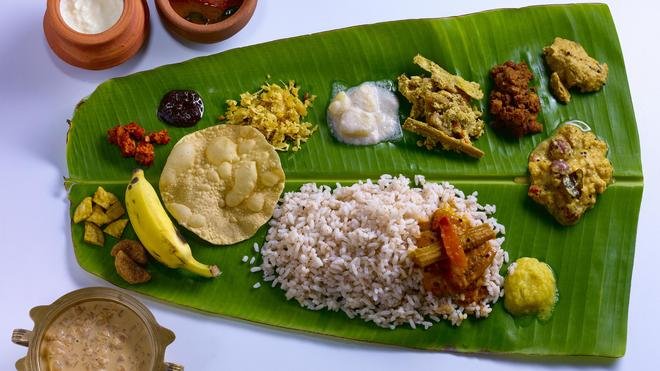
A beautifully filmed biryani being served in a dramatic manner, a steaming cup of tea, a colourful dessert or a traditional sadya arranged on a banana leaf can become more than a meal. It becomes content that people want to photograph, share and recreate.
That creates a powerful cycle: restaurants create visually attractive food, customers post it online, creators amplify it, and new customers arrive because they have seen the same dish repeatedly.
Why Food Reels Have Become So Powerful
Short-form video is particularly effective because it compresses the entire dining experience into a few seconds.
A reel can show the ambience of a restaurant, the preparation of a dish, its presentation and the reaction of a customer almost instantly. For someone deciding where to eat that weekend, such a video can be more persuasive than a conventional advertisement.
The emotional element is equally important.
Watching cheese stretch from a hot dish, steam rise from a plate of biryani or a server spread an elaborate sadya across a banana leaf creates sensory imagery even though the viewer cannot actually taste the food.
Social media effectively sells the anticipation of eating.
That is one reason restaurants increasingly invest in presentation. The meal has to taste good, but it also needs to communicate well through a camera.
When the Camera Starts Influencing the Plate
The relationship between social media and food is not one-way. Restaurants are not simply being promoted by social platforms; they are also changing their food presentation because they know customers will photograph it.
This has contributed to the rise of visually dramatic plating, oversized portions, colourful garnishes and elaborate serving techniques.
In some cases, a dish can become popular primarily because it looks distinctive on camera. That creates an important question for the food industry: does social-media popularity reward flavour, or does it reward visibility?
The answer is often a mixture of both.
A visually attractive dish may bring customers through the door, but repeat business still depends heavily on taste, service, price and consistency. A restaurant can go viral once, but maintaining a loyal customer base requires more than a successful reel.
Keralam’s Traditional Food Is Also Finding a Digital Audience
Perhaps the most interesting consequence of the social-media boom is that it has not only promoted new cafes and modern dishes. It has also created renewed interest in traditional Kerala cuisine.
Onam sadya is a good example.
A traditional sadya served on a banana leaf is already visually distinctive. The arrangement of rice, curries, pickles, avial, thoran, olan, pachadi, payasam and other dishes creates a natural visual composition that works extremely well in photographs and videos.
During the Onam season, images and reels featuring elaborate sadya meals can travel quickly across social platforms. This allows people living outside Keralam, younger audiences and even those unfamiliar with particular dishes to encounter traditional food through their phones.
Social media can therefore function as an unexpected archive of food traditions.
From Home Kitchens to Viral Food Destinations
Another important development is the increased visibility of small food businesses.
A restaurant does not necessarily need a large advertising budget to attract attention online. A distinctive dish, an engaging video or a strong recommendation from a local creator can give a small establishment exposure that would previously have been difficult to achieve.
This is especially relevant to home-based food businesses and independent eateries.
A popular food creator visiting a small establishment can introduce it to thousands of potential customers. If the content performs well, the resulting attention can translate into new orders, reservations and followers.
In this sense, social media has partially reduced the traditional gap between large restaurant brands and smaller food entrepreneurs.
Food Influencers Are Becoming the New Dining Guides
Food influencers occupy an increasingly important position in this ecosystem.
For many consumers, a recommendation from a creator they regularly follow feels more personal than a conventional advertisement. The creator appears to be making the same decision that the viewer might make: visiting a restaurant, ordering food and giving an opinion.
That perceived authenticity can strongly influence dining choices.
However, consumers are also becoming more sophisticated. As influencer marketing becomes more common, audiences may question whether a recommendation is genuinely independent or commercially motivated.
This makes transparency increasingly important for food creators and restaurants. Clear disclosure of paid promotions, complimentary meals or brand partnerships can help preserve audience trust.
The Rise of the ‘Instagrammable’ Restaurant
Social media has also changed restaurant interiors.
A visually distinctive wall, attractive lighting, unusual tableware or a carefully designed entrance can encourage customers to take photographs even before the food arrives.
This has created what is often called the “Instagrammable restaurant”—a dining space designed partly with photography and social sharing in mind.
For restaurants, this can become free marketing. Every customer taking a photograph effectively becomes a potential promoter.
But there is a risk of overdoing it. If design becomes more important than comfort, food quality or service, customers may visit once for the photograph and never return.
Social Media Has Made Dining More Experimental
Another major effect is the willingness of customers to experiment.
A diner who would normally order a familiar biryani or dosa may decide to try an unfamiliar regional dish because a creator explains it in an appealing way.
This can help lesser-known foods travel across communities.
Traditional dishes that were once strongly associated with particular regions or households can gain new audiences when presented through accessible videos. The process works in both directions: modern interpretations of traditional foods can attract younger diners, while authentic preparations can introduce older culinary traditions to people who had never encountered them.
But Virality Can Also Change Traditional Food
The digital transformation is not entirely positive.
When traditional dishes become content, there can be pressure to modify them to make them more visually dramatic. A recipe may be presented differently, ingredients may be substituted, or a dish may be renamed to make it easier to market online.
This raises questions about authenticity.
Food traditions naturally evolve, so change itself is not necessarily a problem. The concern arises when social-media trends begin to replace knowledge about the history and cultural context of a dish.
A visually attractive version of a traditional food may become more famous online than the original preparation, potentially creating confusion about what the dish actually represents.
Gen Z Is Not the Only Generation Influenced by Food Content
It would be easy to describe this transformation as a purely Gen Z phenomenon, but that would miss the larger shift.
Parents may discover restaurants through WhatsApp recommendations. Working professionals may use Instagram to find lunch spots. Families may search online before choosing a place for a celebration. Tourists may build entire food itineraries based on videos they have seen before arriving in Keralam.
The technology may be particularly natural for younger consumers, but the behaviour is becoming increasingly widespread.
What connects these groups is not age but convenience: social media provides a quick visual answer to a simple question—“Where should I eat?”
The Psychology Behind Viral Food Trends
Food content works especially well online because eating is both personal and social.
People do not simply consume food; they associate it with memories, celebrations, family, travel and identity. A video of a traditional meal can therefore trigger nostalgia, while a new dessert can create curiosity.
There is also an element of social proof.
If thousands of people have watched a restaurant video, commented on it or shared photographs from the same place, a viewer may interpret that popularity as evidence that the restaurant is worth trying.
This can create a powerful feedback loop. Popularity generates visibility, visibility generates visits, visits generate more content, and that content produces further popularity.
What Social Media Means for Kerala’s Food Businesses
For restaurants, the implications are substantial.
- Discovery: Social platforms can introduce restaurants to customers who have never heard of them.
- Visual branding: Food presentation and restaurant interiors can become part of a business’s marketing strategy.
- Customer engagement: Comments, reviews and direct messages provide immediate feedback.
- Local reach: Small businesses can target audiences in their own cities and neighbourhoods.
- Tourism: Food content can influence visitors searching for authentic local experiences.
- Trend creation: A single successful dish can quickly become a destination attraction.
However, digital visibility also raises expectations. Customers who arrive because of a viral video may expect the exact presentation, portion and experience they saw online.
That means consistency becomes essential.
The New Competition Is Not Just Between Restaurants
One of the deeper changes brought by social media is that restaurants now compete for attention before they compete for customers.
A diner scrolling through Instagram is exposed to dozens of restaurants without actively searching for any of them. The first challenge is therefore to stop the scroll.
Only after that does the traditional competition begin: taste, price, location, service and value.
This has changed restaurant marketing from a primarily local exercise into an attention economy.
The restaurant that gets seen first has an advantage, but the restaurant that delivers on the promise has the better chance of surviving.
Will Viral Food Trends Last?
Some food trends disappear as quickly as they emerge. A dish can dominate reels for several weeks and then become almost invisible when audiences move on to the next trend.
Traditional food has a different advantage: it can combine novelty with cultural familiarity.
A sadya, biryani, Malabar snack or regional dessert can become viral without depending entirely on a temporary internet trend. Its cultural story gives it a longer shelf life.
This may be one of the most valuable opportunities for Keralam’s food culture. Digital platforms can provide global visibility to culinary traditions that previously travelled mainly through tourism, migration and family connections.
The Future of Food Culture in Keralam
The relationship between social media and food is likely to become even stronger. Restaurants will continue creating content specifically for digital audiences, while consumers will increasingly use online platforms to decide where and what to eat.
Artificial intelligence, recommendation algorithms and increasingly sophisticated food videos may make personalised restaurant discovery even easier.
But technology will not eliminate the importance of the fundamentals.
A viral reel can create curiosity. A beautiful photograph can create desire. An influencer can create trust. Yet only the actual meal can determine whether the customer returns.
For Keralam, the most exciting possibility is that digital culture does not simply replace traditional food culture. Instead, the two can reinforce each other.
A generation that discovers food through a smartphone may end up learning about dishes, ingredients and traditions that were previously unfamiliar to them.
Conclusion: When Food Becomes Both a Meal and a Story
Social media is changing how people in Keralam discover, experience and talk about food. From viral restaurant reels to photographs of traditional Onam sadya, the smartphone has become an important part of the modern dining journey.
The biggest shift is that food is no longer judged only by how it tastes. Its visual presentation, story, cultural identity and shareability increasingly influence whether people notice it in the first place.
That creates both opportunities and challenges. Restaurants can reach new audiences without relying entirely on traditional advertising, while traditional cuisine can find younger and more geographically diverse audiences. At the same time, businesses must avoid allowing viral popularity to overshadow quality, authenticity and customer trust.
Ultimately, Keralam’s food culture is not being replaced by social media. It is being reinterpreted through it. The next generation may discover a traditional sadya, a neighbourhood biryani or an unfamiliar regional dish not at a family table first, but through a few seconds of video on a phone.
And if that digital discovery eventually leads them to sit down, eat the food and learn the story behind it, the viral reel may have done something more meaningful than simply creating a trend—it may have helped keep a food tradition alive.
For breaking news and live news updates, like us on Facebook or follow us on Twitter and Instagram. Read more on Latest Lifestyle on thefoxdaily.com.






COMMENTS 0