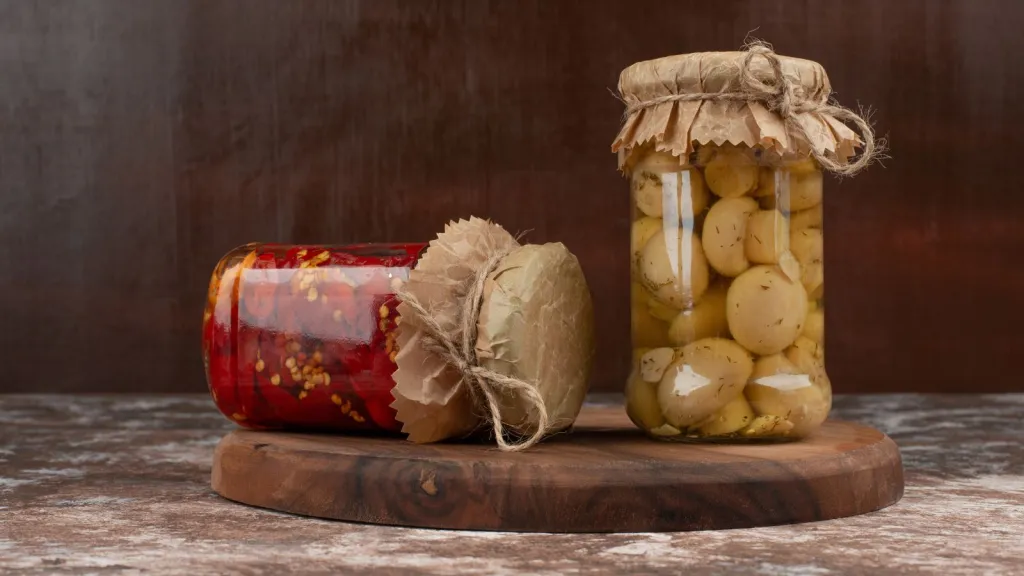
Homemade aachar, or Indian pickle, can last for months when prepared hygienically and stored correctly. However, its shelf life depends on the ingredients, salt and oil content, acidity, moisture levels and storage conditions. Knowing how to identify spoilage and handle pickles safely can help you enjoy their distinctive flavour without unnecessary Food Safety risks.
Few things complement an Indian meal quite like a spoonful of homemade aachar. Whether it is tangy mango pickle, spicy green chilli aachar, lemon pickle or a traditional fermented variety, pickles bring a burst of flavour to everyday meals. For many households, they are also a way to preserve seasonal produce and carry family recipes from one generation to the next.
Traditionally, ingredients such as salt, oil, spices and acidic substances have been used to help preserve pickles. Some varieties are sun-cured, while others rely on fermentation or a carefully balanced combination of ingredients. These methods can extend shelf life, but they do not make homemade pickles immune to spoilage.
So, how long can homemade aachar actually remain safe to eat? How can you tell when a pickle has gone bad? And does adding more oil or salt help it last longer?
The answers depend on how the pickle is prepared, whether the recipe provides adequate preservation and how it is handled after preparation. Understanding these factors is essential for anyone who regularly makes or consumes homemade pickles.
How Long Does Homemade Aachar Actually Last?
There is no single shelf-life rule that applies to every homemade pickle. Oil-based mango aachar, salt-cured lemon pickle and fermented vegetable pickles use different preservation methods, so their storage requirements and expected shelf lives can vary considerably.
According to dietitian Umang Malhotra, oil-based pickles, including mango and chilli aachar, may remain usable for several months when prepared hygienically and stored under appropriate conditions. Fermented and salt-based varieties also have varying shelf lives depending on their acidity, salt concentration and preservation method.
However, the fact that a pickle has been sitting in a jar for months does not automatically mean it is safe to eat. A recipe’s ingredients, preparation process and storage conditions all influence how well it keeps.
For example, a traditional pickle made using a tested recipe with appropriate quantities of salt, oil or acid may keep well under the conditions specified by that recipe. A similar-looking pickle made with less salt, excess moisture or unsuitable storage conditions may spoil sooner.
It is also important to distinguish between quality and safety. A pickle may lose its aroma, develop an unpleasant flavour or become less appealing before there is an obvious sign of microbial spoilage. Conversely, harmful microorganisms may sometimes be present without producing noticeable changes in appearance or smell.
For this reason, appearance and smell alone cannot guarantee that an old pickle is safe. Follow a reliable recipe’s storage instructions, pay attention to any recommended refrigeration requirements and discard a pickle if you suspect spoilage.
What Helps Preserve Homemade Pickles?
The long shelf life associated with traditional Indian aachar comes from the way its ingredients and preparation methods help control microbial growth. Salt, oil and acidic ingredients can all contribute to preservation, but they work differently and are not interchangeable in every recipe.
1. Salt helps control microbial growth
Salt is an important ingredient in many traditional pickles. At an appropriate concentration, it reduces the amount of water available to microorganisms, making it more difficult for many spoilage organisms to grow.
In fermented pickles, salt can also help create conditions that favour desirable fermentation while limiting some unwanted microbial activity.
However, the amount of salt matters. Reducing the salt in a traditional recipe may change its preservation properties, even if the pickle still tastes sufficiently salty. Adding extra salt after a pickle has been prepared is not a reliable way to rescue a batch that may already have spoiled.
If you prefer a lower-sodium diet, choose a tested lower-sodium recipe specifically designed for safe preservation rather than simply reducing the salt in a recipe intended for room-temperature storage.
2. Oil creates a protective barrier in some pickles
Oil is a defining feature of many Indian pickles, including traditional mango, chilli and mixed-vegetable varieties. In suitable recipes, the oil helps coat the ingredients and limits their direct exposure to air.
However, oil itself does not reliably make a pickle safe. It does not necessarily destroy microorganisms already present in the ingredients, and an oil layer cannot compensate for inadequate acidity, insufficient salt or poor hygiene.
Oil-covered, low-acid foods can also create conditions in which dangerous bacteria may grow if other preservation controls are inadequate. Some improperly prepared oil-based garlic and vegetable mixtures, for example, can pose a risk of botulism, a rare but serious illness caused by a toxin produced by certain bacteria.
Therefore, never assume that a thick layer of oil makes every homemade pickle safe for long-term storage at room temperature. Use a reliable recipe designed for the specific ingredients and follow its storage directions.
3. Acidity can help prevent harmful microbial growth
Vinegar and naturally produced acids are important in some pickle recipes because sufficiently acidic conditions can prevent the growth of many harmful microorganisms.
In fermented pickles, beneficial microorganisms convert sugars into acids, gradually changing the flavour and acidity of the food. The safety of the finished product depends on the recipe, fermentation process, acidity and handling conditions.
Not every traditional Indian aachar relies on vinegar or fermentation. Some varieties depend more heavily on salt, drying and oil. This is why preservation techniques should not be mixed or modified without understanding how they affect the finished product.
If a recipe calls for a specific type or concentration of vinegar, do not substitute a weaker product or reduce the quantity without using a tested alternative. The acidity of the finished pickle can be critical to its safety.
4. Reducing moisture can extend shelf life
Moisture is another important factor in pickle preservation. Some traditional recipes call for sun-drying ingredients before mixing them with salt, spices or oil. Removing excess water can help create conditions that are less favourable to many spoilage organisms.
However, drying ingredients does not automatically eliminate every food safety risk. The ingredients must still be prepared hygienically and preserved according to a suitable recipe.
Introducing water through wet spoons, damp ingredients or poorly dried containers can also undermine preservation. Even if a pickle appears to have plenty of oil and salt, excess moisture can affect its stability.
How to Tell If Homemade Aachar Has Gone Bad
Homemade pickles can change in appearance and texture over time, and not every change necessarily indicates spoilage. Some fermented varieties naturally develop bubbles during active fermentation, while certain ingredients may darken as they age.
Nevertheless, several warning signs should prompt you to stop using a pickle.
1. Visible mould on the surface
Visible mould is one of the clearest warning signs of possible spoilage. It may appear as fuzzy patches or spots that are white, green, blue, grey or black, depending on the organism involved.
Do not assume that white growth is harmless or that removing the affected portion will make the remaining pickle safe. Mould can extend beyond the visible area, and some moulds can produce harmful substances.
If you see mould on a homemade pickle, discard the entire batch rather than scraping off the surface and eating the rest. Avoid tasting it to determine whether it is still good.
2. An unusual or unpleasant smell
Pickles naturally have strong aromas from ingredients such as mustard, fenugreek, chilli, garlic, lemon and oil. Fermented varieties can also develop a characteristic sour smell.
However, a smell that is distinctly rotten, putrid, rancid or otherwise unusual may indicate a problem. Oil that has deteriorated can develop stale, bitter or rancid notes, while unwanted microbial growth can produce unpleasant odours.
Because different pickles have different normal aromas, it is important to know what the product should smell like when freshly prepared and properly stored.
Remember that a normal smell does not prove a pickle is safe. Some harmful microorganisms do not cause obvious changes in odour.
3. Unexpected changes in colour
Changes in colour can occur naturally as spices and vegetables age. Mango pickle, for example, may deepen in colour as it matures, while turmeric and chilli contribute strong pigments from the beginning.
However, unexplained discolouration, unusual patches or a sudden change accompanied by an unpleasant smell or altered texture should be treated as a warning sign.
Colour alone cannot confirm whether a pickle has spoiled, so consider the recipe, storage history and any other signs of deterioration. If you are uncertain about the safety of a batch, discard it rather than taking a chance.
4. Unexpected changes in texture
Pickled vegetables may soften over time, and some traditional recipes produce a naturally tender texture. However, ingredients that become unexpectedly slimy, mushy or unusually sticky may indicate spoilage.
Texture changes are particularly concerning when accompanied by an unpleasant smell, visible growth or other unusual changes.
Do not taste a suspicious pickle to check its texture or flavour. If the changes are unexplained and the product may have spoiled, the safest option is to throw it away.
5. Unexpected bubbling, foaming or gas formation
Bubbles can be normal during the active fermentation of certain pickles. In those products, gas may be produced as beneficial microorganisms convert sugars into acids.
However, unexpected bubbling in a pickle that is not supposed to be fermenting, excessive foaming or signs of gas accumulation during storage may indicate unwanted microbial activity.
A swollen or leaking container is another reason to avoid consuming the contents. Do not open a suspicious container simply to smell or taste the food.
The key is to understand the expected behaviour of the particular pickle. Fermentation-related changes are not automatically signs of spoilage, but unfamiliar or unexpected changes should not be ignored.
Can You Eat Homemade Aachar If the Oil Looks Cloudy?
Cloudy oil does not always mean that a pickle has gone bad. The appearance of oil can change because of temperature, suspended spices, natural ingredients and other factors related to preparation.
Similarly, a thin layer of sediment may form as spices settle at the bottom of a jar. Some fermented pickles can also appear cloudy as part of their normal development.
However, cloudiness should not be dismissed automatically, especially if the pickle has been stored improperly or the change is accompanied by mould, a foul smell, unusual bubbling or a damaged container.
There is no universal visual test that can establish whether an oil-based pickle is safe to eat. Consider the recipe and storage history, and discard the pickle if there is a credible reason to suspect spoilage.
Most importantly, never rely on tasting a small quantity to check safety. Certain foodborne hazards may not noticeably change the taste, smell or appearance of a product.
How to Store Homemade Aachar Properly
Correct storage is one of the most effective ways to preserve the quality of homemade pickles. Even a carefully prepared batch can deteriorate if it is repeatedly exposed to moisture, contaminated utensils, excessive heat or unsuitable storage conditions.
1. Use a clean, completely dry jar
Choose a clean, food-safe container suitable for the pickle and the storage method specified in the recipe. Traditional recipes often use glass or ceramic jars, but the material alone does not determine whether the pickle will remain safe.
Wash the container thoroughly and dry it completely before adding the ingredients. Any cleaning or heat-treatment procedure should be suitable for the container being used.
Moisture left inside a jar can interfere with preservation, particularly in recipes that rely on drying and oil. A clean, dry container also reduces the chance of introducing unwanted microorganisms during preparation.
2. Always use a clean, dry spoon
One of the simplest ways to protect homemade aachar is to avoid introducing moisture or food residue into the jar.
Use a clean, dry spoon whenever you remove a portion. Avoid dipping in a spoon that has been used to eat another food, and never return leftover pickle from a plate to the storage container.
Wet spoons can introduce water, while contaminated utensils can introduce microorganisms. Repeated contamination may shorten the pickle’s shelf life, even when the original batch was prepared correctly.
3. Keep the jar tightly closed
Close the lid securely after every use. Limiting unnecessary exposure to air helps preserve flavour and reduces the risk of contamination from the surrounding environment.
For oil-based pickles, some recipes call for keeping the ingredients adequately coated with oil. Follow the recipe’s instructions rather than adding extra oil without considering the overall preservation method.
A tight lid does not make an improperly prepared pickle safe, but good container hygiene and careful handling can help maintain quality.
4. Store the pickle away from heat and direct sunlight
Heat and light can accelerate changes in the quality of oils, spices and other ingredients. Prolonged exposure can affect flavour, aroma and colour, even when there is no obvious microbial spoilage.
Store pickles in a location appropriate to the recipe, away from direct sunlight, cooking heat and other sources of temperature fluctuations.
Do not assume that a traditional pickle can remain at room temperature indefinitely. If the recipe requires refrigeration, follow that instruction. Homemade pickles with uncertain acidity or preservation characteristics should not automatically be treated as shelf-stable products.
5. Refrigerate varieties that require it
Some homemade pickles are designed for room-temperature storage under specific conditions, while others need refrigeration. Freshly prepared, low-salt or low-acid mixtures may be particularly unsuitable for prolonged storage outside the refrigerator.
Follow a reliable recipe that clearly specifies whether refrigeration is required. When a pickle has not been prepared using a tested preservation method, refrigeration may help slow spoilage, but it should not be treated as a substitute for a safe recipe.
If a pickle has been left outside its recommended storage conditions for an extended period, do not assume that placing it in the refrigerator will make it safe again.
6. Avoid repeatedly exposing the entire batch to moisture
Some traditional pickles are stirred or mixed during preparation or curing. Once the pickle is ready for storage, unnecessary handling can introduce moisture and contaminants.
Use the method specified in the recipe for distributing oil, salt and spices. Avoid stirring the pickle with wet utensils or leaving the container open for extended periods.
For large batches, consider transferring a smaller portion to a separate serving jar. This can reduce how frequently the main container is opened and handled.
Does Homemade Aachar Need to Be Refrigerated?
Not every homemade pickle requires refrigeration, but not every pickle is safe to keep at room temperature either.
Traditional oil-based pickles prepared according to suitable recipes may be stored outside the refrigerator under specified conditions. Other varieties, particularly those with lower salt concentrations, insufficient acidity or fresh ingredients, may require refrigeration.
The answer depends on the ingredients and preservation process, not simply on whether the pickle was made at home.
Consider these general guidelines:
- Traditional oil-based aachar: Follow a reliable recipe’s storage instructions. Appropriate quantities of ingredients and hygienic preparation are essential for room-temperature storage.
- Fermented pickles: Follow the recipe’s fermentation and storage guidance. Refrigeration may be required after fermentation is complete.
- Fresh, low-salt or low-acid pickle mixtures: Do not assume they are shelf-stable. Refrigerate as directed by a reliable recipe and consume within its recommended period.
- Pickles with uncertain preparation or storage histories: Do not rely on their appearance or oil layer to establish safety. Discard them if their preservation conditions cannot be trusted.
For commercial shelf-stable products, follow the manufacturer’s storage directions and any refrigeration instructions after opening. For homemade varieties, use a recipe designed for the specific ingredients and storage method.
Can Adding More Oil or Salt Make an Old Pickle Safe Again?
No. Adding more oil or salt cannot reliably restore the safety of a pickle that has already spoiled or been improperly preserved.
Salt and oil can contribute to preservation when used in the correct quantities and as part of an appropriate preparation method. But simply adding either ingredient to an old batch does not reverse spoilage or guarantee that harmful microorganisms and their toxins are absent.
The same principle applies to adding extra spices. Ingredients such as turmeric and mustard contain compounds that have been studied for various properties, but their presence does not make a pickle immune to spoilage.
If a pickle shows signs of mould, an unusual smell, unexplained texture changes or other warning signs, do not attempt to save it by adding oil, salt, vinegar or spices. Discard the batch.
Preservation should be built into the recipe and preparation process from the beginning, rather than treated as a way to rescue food after something has gone wrong.
Is Homemade Aachar Healthy? Understanding Salt, Oil and Portion Sizes
Homemade pickles can add flavour, variety and cultural significance to a meal. A small serving of mango, lemon or chilli aachar can make everyday foods more enjoyable and encourage people to explore different regional tastes.
However, the nutritional contribution of pickles depends on their ingredients and how much is consumed. Because aachar is usually eaten in small portions, it should not automatically be considered a major source of essential nutrients.
Dietitian Umang Malhotra notes that oil-rich varieties can contribute additional calories, while salt-heavy pickles can increase sodium intake.
Watch your sodium intake
Salt is an important preservation ingredient, but frequent consumption of high-sodium foods can contribute to excessive sodium intake.
This may be particularly relevant for people with high blood pressure, kidney disease or other medical conditions that require them to limit sodium. Such individuals should consider the salt content of homemade pickles and discuss appropriate dietary choices with their healthcare professional.
Choosing a smaller serving can help reduce sodium intake, but portion control does not replace the need for safe preparation and storage.
Consider the amount and quality of oil
Oil-based pickles can contribute additional calories to a meal. The type of oil, its quality and the conditions under which it is stored also influence the overall quality of the product.
Over time, exposure to air, heat and light can promote oxidation, which may alter an oil’s aroma, flavour and other characteristics. The presence of spices does not prevent these changes indefinitely.
Store aachar appropriately and discard it if the oil develops a distinctly rancid or otherwise unusual smell. Adding fresh oil to mask an unpleasant aroma is not a safe solution.
Enjoy pickles in moderation
For most people who can consume them safely, pickles can be enjoyed as a flavourful accompaniment to a balanced diet. The key is to consider the salt and oil content, choose suitable portions and avoid consuming products that may have spoiled.
As Malhotra advises, the best approach is to prepare homemade aachar using a reliable recipe, maintain proper hygiene and follow appropriate storage practices.
Common Homemade Aachar Storage Mistakes to Avoid
Small mistakes during preparation or storage can undermine the preservation process. Being aware of common problems can help you protect the quality of your homemade pickle.
- Using a damp spoon: This can introduce moisture and contaminants into the jar.
- Storing a pickle without following a tested recipe: Traditional appearance or taste does not guarantee safe preservation.
- Assuming oil alone prevents spoilage: Oil is not a substitute for adequate acidity, salt or other necessary safety controls.
- Leaving the jar exposed to sunlight and heat: These conditions can accelerate deterioration, particularly of the oil.
- Reducing salt or vinegar without checking the recipe: Changes to ingredient proportions can affect preservation.
- Scraping off mould and eating the rest: Visible mould can extend beyond the area that can be seen.
- Trusting smell or appearance alone: Harmful microorganisms may not produce obvious warning signs.
- Assuming refrigeration can rescue spoiled food: Cooling slows many forms of microbial growth but does not reliably make spoiled food safe.
- Keeping an old batch indefinitely: Homemade pickles do not have one universal safe storage duration.
Following a suitable recipe, maintaining clean and dry utensils, and storing the pickle under the recommended conditions are more reliable strategies than trying to correct problems after they arise.
Frequently Asked Questions About Homemade Aachar Safety
How many months can homemade aachar last?
Some traditionally prepared oil-based pickles may remain usable for several months when made hygienically and stored correctly. However, shelf life varies according to the ingredients, acidity, salt and oil content, moisture levels and storage conditions. Follow the recommendations of a reliable recipe rather than assuming every pickle lasts equally long.
How can I tell if homemade pickle has spoiled?
Warning signs include visible mould, a distinctly unpleasant or rancid smell, unexpected sliminess, unusual discolouration, excessive foaming or an unexplained change in texture. These signs are reasons to discard the pickle, but their absence does not guarantee safety.
Can I eat homemade aachar if I see mould on it?
No. If visible mould develops on a homemade pickle, discard the entire batch. Do not scrape off the affected portion or taste the pickle to check whether it is safe.
Should homemade mango pickle be refrigerated?
It depends on the recipe and how the pickle was prepared. Some traditional mango pickles are designed for storage under specified room-temperature conditions, while other varieties require refrigeration. Follow the recipe’s storage instructions and do not assume that an oil layer makes every mango pickle shelf-stable.
Does adding more oil help homemade aachar last longer?
Oil can contribute to preservation in suitable recipes, but adding more oil does not automatically make a pickle safe or extend its shelf life indefinitely. It cannot reliably rescue a batch that has spoiled or been improperly prepared.
Can I use a wet spoon to take pickle out of a jar?
No. Always use a clean, dry spoon. A wet or contaminated utensil can introduce moisture and microorganisms, potentially affecting the pickle’s quality and safety.
Is cloudy oil in a pickle a sign of spoilage?
Not necessarily. Cloudiness can result from suspended spices, temperature changes or natural ingredients. However, if it appears alongside an unpleasant smell, mould, unexpected bubbling or other unusual changes, discard the pickle. Cloudiness alone cannot establish whether it is safe.
Are homemade pickles healthy to eat every day?
Homemade pickles can add flavour to meals, but their nutritional profile depends on the ingredients and portion size. Salt-heavy varieties can contribute substantial sodium, while oil-rich pickles add calories. People who need to restrict sodium should seek advice from a healthcare professional about suitable portions and recipes.
Conclusion: Enjoy Homemade Aachar Without Compromising on Safety
Homemade aachar is a cherished part of Indian food culture, bringing together regional ingredients, traditional preservation techniques and family recipes. When prepared properly, some varieties can remain usable for months. However, no single shelf-life rule applies to every pickle, and homemade preparation does not automatically guarantee food safety.
Salt, oil, acidity and reduced moisture can all contribute to preservation, but their effectiveness depends on the recipe and how it is followed. Clean, dry containers, uncontaminated utensils and suitable storage conditions are equally important.
Pay attention to warning signs such as visible mould, rancid smells, unexpected sliminess and unexplained changes in appearance. If you suspect that a pickle has spoiled, discard it rather than trying to rescue it with additional oil, salt or spices. Remember, a normal appearance and smell do not always guarantee safety.
From a nutritional perspective, enjoy aachar in moderation, especially if you need to limit sodium or monitor calorie intake. The best way to make homemade pickles part of your meals is to combine traditional flavours with reliable recipes, careful preparation and sensible storage practices.
Disclaimer: This article is for general informational purposes and is not a substitute for professional medical or food safety advice. Consult a qualified healthcare professional for dietary guidance, particularly if you have high blood pressure, kidney disease or another condition requiring dietary restrictions. For preservation and storage, follow a reliable recipe and applicable food safety guidance.
For breaking news and live news updates, like us on Facebook or follow us on Twitter and Instagram. Read more on Latest Lifestyle on thefoxdaily.com.






COMMENTS 0