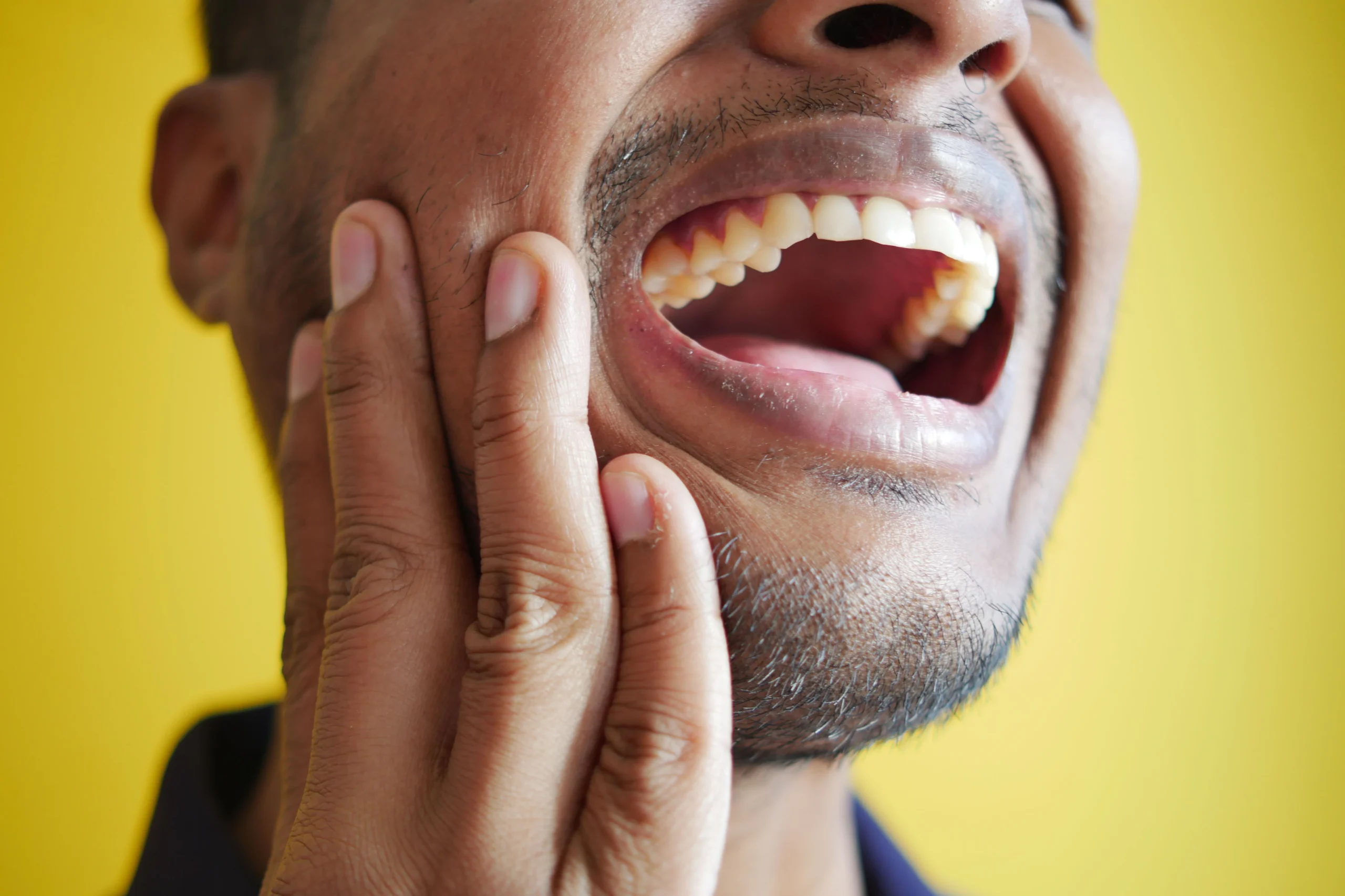
Stress can affect the body in ways that are not always immediately noticeable. While its effects on sleep, mood and concentration are widely recognised, persistent tension can also influence the muscles around the mouth, face and jaw. Some people respond to stress by tightening their jaw or pressing their teeth together without realising they are doing it. Others grind their teeth while sleeping, making the habit difficult to identify.
These seemingly minor actions can place repeated pressure on the teeth and the joints responsible for jaw movement. Over time, the strain may contribute to tooth sensitivity, enamel wear, facial discomfort and headaches. In some cases, it can also affect the temporomandibular joint, commonly known as the TMJ.
Dr Rohit Punga, Senior Consultant and Unit Head of Cranio-Maxillo-Facial Surgery at Artemis Hospital, Gurugram, explains how everyday stress habits can affect oral health and why persistent symptoms deserve attention.
What is bruxism and why does stress contribute to it?
Bruxism is the medical term for repeatedly grinding or clenching the teeth. It can happen during sleep, when a person may be completely unaware of the activity, or while awake during periods of anxiety, emotional strain or intense concentration.
Teeth grinding and jaw clenching are not necessarily deliberate habits. A person may tighten their jaw while working, driving, studying or dealing with a stressful situation. During sleep, the same behaviour can occur without conscious awareness.
Dr Punga explains that stress can keep the body in a heightened state of alertness. When muscles remain tense, repeated jaw clenching may follow. This creates pressure on the teeth, gums and jaw joints, particularly when the habit continues over an extended period.
It is important to distinguish between occasional jaw tension and persistent bruxism. Brief clenching may not cause noticeable damage, but frequent or forceful grinding can gradually place excessive strain on the structures involved in chewing.
How teeth grinding and jaw clenching affect oral health
The teeth are designed to withstand the pressure generated during normal chewing. However, repeated grinding or prolonged clenching can expose them to additional force, sometimes for extended periods. The effects may develop gradually, which means people may not recognise the connection between their stress habits and oral discomfort.
1. Tooth sensitivity and enamel erosion
Enamel is the hard outer layer that protects the visible part of each tooth. Repeated grinding can wear down this protective surface, leaving the underlying structures more exposed.
As enamel becomes thinner or damaged, teeth may become increasingly sensitive. People might notice discomfort when consuming hot, cold, sweet or acidic foods and drinks. Sensitivity can also make routine activities such as brushing uncomfortable.
Once enamel is lost, it does not naturally grow back. This makes early identification and prevention particularly important. A dentist can assess whether sensitivity is related to grinding or another dental problem.
2. Cracked, chipped or fractured teeth
Persistent pressure from clenching and grinding can place considerable stress on individual teeth. Over time, this may increase the risk of small cracks, chipped edges or more significant fractures.
Existing dental restorations, such as fillings and crowns, may also experience additional mechanical stress. A damaged tooth can cause pain while biting or chewing, although some cracks may initially produce few obvious symptoms.
People who notice unexplained tooth pain, a newly chipped tooth or discomfort when biting should arrange a dental examination rather than assuming the problem will resolve on its own.
3. Headaches and facial soreness
The muscles responsible for moving the jaw are involved in everyday activities such as speaking, chewing and yawning. Repeated clenching can overwork these muscles, leading to soreness around the cheeks, temples and sides of the face.
Some people experience headaches, particularly around the temples, after sleeping or during periods of prolonged jaw tension. Others may wake up with facial fatigue or a feeling that the muscles around their mouth are unusually tight.
These symptoms do not automatically mean a person has bruxism. Headaches and facial pain can have several causes, so persistent or recurring discomfort should be evaluated by a Healthcare professional.
4. Ear pain and discomfort around the jaw
The jaw joint and surrounding muscles are located close to the ears. When these structures become strained, discomfort may be felt around the ear region even when there is no obvious ear problem.
Some people with jaw-related muscle tension also experience clicking sounds, stiffness or discomfort when opening and closing their mouths. However, ear pain can also result from infections and other conditions, making a proper assessment important.
What is the temporomandibular joint and how can stress affect it?
The temporomandibular joint, or TMJ, connects the lower jawbone to the skull. There is one joint on each side of the head, positioned just in front of the ears. These joints work with surrounding muscles and other structures to make speaking, chewing and yawning possible.
According to Dr Punga, excessive muscle activity caused by repeated clenching can overwork the TMJ. The additional strain may contribute to chronic jaw discomfort and pain while chewing or talking.
Some people may also develop symptoms associated with temporomandibular disorders, commonly called TMD. These conditions involve problems affecting the jaw joints and the muscles responsible for jaw movement.
Possible symptoms include:
- Pain or tenderness around the jaw.
- Clicking, popping or other sounds when moving the mouth.
- Difficulty opening the mouth fully.
- Jaw stiffness, particularly after waking up.
- Discomfort while chewing or speaking.
- Pain around the temples, cheeks or ears.
Not every clicking jaw indicates a disorder, and not every person who grinds their teeth develops TMJ-related problems. However, pain, restricted movement or persistent discomfort should not be dismissed.
Warning signs that you may be grinding your teeth without knowing it
One of the challenges with bruxism is that people may not realise they are doing it. Sleep-related grinding is particularly difficult to identify because it occurs when the person is not consciously aware of their jaw movements.
Dr Punga highlights unexplained headaches, waking up with a sore jaw, sensitive teeth and facial fatigue as warning signs that deserve attention.
Other changes that may prompt a dental examination include:
- Teeth that appear increasingly worn or flattened.
- Small chips or cracks without an obvious injury.
- Repeated discomfort while chewing.
- Jaw tightness after waking up.
- Frequent tension around the temples or cheeks.
- Clicking or difficulty when opening the mouth.
A person who shares a bedroom may also be alerted to nighttime grinding if someone else notices the sound. However, the absence of audible grinding does not rule out sleep bruxism, as clenching can occur without a noticeable noise.
A dentist can examine the teeth for signs of wear or damage and assess symptoms involving the jaw muscles and joints. Depending on the situation, further evaluation may be needed to understand the underlying cause.
How to reduce jaw clenching and protect your teeth
Managing stress and becoming more aware of jaw movements can help reduce some of the behaviours associated with clenching. Dr Punga recommends regular physical activity, relaxation techniques, adequate sleep and mindful awareness as practical measures.
1. Practise stress-management techniques
Stress does not always disappear when a person finishes work or leaves a difficult situation. Muscle tension can continue throughout the day, particularly when there is little opportunity to relax.
Activities such as walking, gentle exercise, breathing exercises and relaxation practices may help people manage everyday stress. Taking short breaks during demanding tasks can also create opportunities to notice and release unnecessary jaw tension.
These approaches are not a guaranteed treatment for bruxism, but they may support better Stress Management and awareness of clenching habits.
2. Keep the jaw relaxed during the day
People who clench their teeth while awake can benefit from periodically checking their jaw position. Dr Punga suggests consciously maintaining a small space between the upper and lower teeth when the jaw is relaxed.
In a resting position, the teeth generally should not remain pressed together. Keeping the jaw relaxed can reduce unnecessary pressure on the teeth and surrounding muscles.
It may help to use everyday reminders, such as taking a moment to relax the face while working at a computer or checking jaw tension during breaks. The aim is to recognise the habit before clenching becomes prolonged.
3. Improve sleep habits
Adequate sleep is an important part of overall health and can support better management of stress. Maintaining a consistent bedtime, creating a comfortable sleeping environment and allowing enough time for rest may help improve sleep routines.
People who regularly wake up with jaw pain or headaches should discuss these symptoms with a dentist or doctor. Sleep-related bruxism may require assessment beyond general stress-management measures.
4. Avoid excessive caffeine
Dr Punga also recommends not overdoing caffeine. Paying attention to how much coffee, tea or other caffeinated drinks a person consumes may be useful, particularly if they notice that their sleep or tension is affected.
Reducing excessive caffeine intake can be one part of a broader approach to healthier routines. However, it should not be considered a standalone treatment for teeth grinding.
5. Seek dental advice about protective treatment
When grinding causes repeated tooth damage or discomfort, a dentist may recommend a suitable protective approach. Depending on the individual’s symptoms and examination findings, this may include a custom-fitted night guard or splint to protect the teeth from direct contact during sleep.
Such appliances can help limit tooth damage, but they do not necessarily eliminate the underlying grinding behaviour or treat every cause of jaw pain. Their suitability and fit should be assessed by a dental professional.
People should avoid relying on poorly fitting, generic appliances without professional guidance, particularly when they already have jaw pain or difficulty opening their mouths.
When should you consult a dentist or doctor?
Occasional jaw tightness may not indicate a serious problem, but recurring symptoms should not be ignored. Early assessment can help identify whether the discomfort is related to bruxism, a dental condition, a jaw-joint problem or another cause.
Consider arranging a dental consultation if you experience:
- Persistent tooth sensitivity or unexplained dental pain.
- Visible tooth wear, cracks or chips.
- Repeated headaches accompanied by jaw soreness.
- Jaw clicking along with pain or restricted movement.
- Difficulty chewing or opening your mouth comfortably.
- Regularly waking up with facial or jaw discomfort.
Seek prompt medical or dental assessment if jaw pain is severe, the mouth becomes difficult to open or close, or symptoms develop suddenly. Jaw discomfort accompanied by chest pressure, breathlessness, sweating or pain spreading to the arm or neck requires emergency medical attention rather than being assumed to be stress-related.
Why ignoring persistent teeth grinding can lead to lasting damage
Bruxism can be easy to overlook because it often happens unconsciously and may not cause immediate pain. However, repeated pressure can gradually affect tooth enamel, increase sensitivity and contribute to cracks or fractures. The muscles and joints involved in jaw movement may also become strained.
Dr Punga cautions that people should take these symptoms seriously because continued clenching and grinding can result in permanent damage to the teeth. Recognising the habit early, managing stress and seeking professional advice when symptoms persist can help reduce the risk of complications.
The key is not to assume that every headache or episode of jaw discomfort is caused by stress. Instead, recurring symptoms should be evaluated so that the right cause can be identified and appropriate care considered.
Note to readers: This article is for informational purposes only and is not a substitute for professional medical or dental advice. Consult a qualified dentist or doctor if you experience persistent teeth grinding, jaw pain, tooth sensitivity or other oral health concerns.
For breaking news and live news updates, like us on Facebook or follow us on Twitter and Instagram. Read more on Latest Lifestyle on thefoxdaily.com.






COMMENTS 0