
At least 2.2 billion people worldwide live with near or distance Vision Impairment, and at least one billion of these cases could have been prevented or remain unaddressed, according to the World Health Organization (WHO). The figures highlight the scale of a global health challenge that affects people across age groups, with older adults carrying a particularly significant burden.
Vision problems can develop gradually or appear suddenly, affecting everything from reading and studying to working, walking and carrying out everyday activities. While some eye conditions are difficult to prevent, many common causes of vision impairment can be treated or managed when identified early. Access to basic eye care, appropriate glasses, timely surgery and treatment for underlying conditions can make a substantial difference.
In its February 2026 fact sheet on blindness and vision impairment, the WHO outlined the major causes of vision loss, the unequal availability of eye care and the wider consequences for individuals and communities. The findings also highlight a practical message: regular eye examinations and timely treatment can help prevent avoidable vision problems from affecting quality of life.
WHO’s Key Findings on Global Vision Loss
The WHO estimates that at least 2.2 billion people have near or distance vision impairment. Among them, at least one billion cases could have been prevented or have not yet received the care needed to address the problem.
The burden varies depending on the eye condition, age, income and availability of healthcare services. The WHO’s reported figures include:
- 2.2 billion people: Live with near or distance vision impairment worldwide.
- At least one billion cases: Could have been prevented or still require appropriate care.
- 94 million people: Have distance vision impairment associated with cataract.
- 88.4 million people: Experience distance vision impairment due to uncorrected refractive errors.
- 8 million people: Have distance vision impairment associated with age-related macular degeneration.
- 7.7 million people: Have distance vision impairment linked to glaucoma.
- 3.9 million people: Have distance vision impairment due to diabetic retinopathy.
- 826 million people: Live with unaddressed near vision impairment associated with presbyopia.
These figures illustrate why vision impairment should not be viewed as a problem limited to blindness or severe eye disease. Many people struggle with conditions that can be corrected or treated, but barriers such as cost, limited healthcare facilities and a shortage of eye-care professionals can prevent them from receiving appropriate care.
Why Access to Glasses and Cataract Surgery Matters
One of the most striking aspects of the WHO’s findings is the gap between the need for eye care and the services available to people who need them.
According to the organisation, two out of three people in low-income countries who need glasses do not have access to them. Similarly, approximately one in two people worldwide who need cataract surgery cannot access the procedure.
These gaps can have serious consequences. Uncorrected vision problems may make it difficult for children to learn, adults to work and older people to remain independent. When treatable conditions are left unattended, a relatively straightforward intervention may no longer be sufficient to address the resulting damage.
The economic consequences are also substantial. The WHO estimates that vision impairment results in annual global productivity losses of approximately US$411 billion. The organisation has estimated that around US$25 billion would be needed to close the gap in eye-care services, highlighting the potential value of investing in accessible diagnosis and treatment.
Improving access to affordable glasses, cataract surgery, routine eye examinations and specialist treatment could help reduce the personal and economic burden associated with avoidable vision impairment.
What Are the Main Causes of Vision Loss?
Vision impairment can result from several conditions, ranging from refractive errors that are often corrected with glasses to diseases that can cause permanent damage if treatment is delayed. Understanding the common causes can help people recognise when they may need professional eye care.
1. Refractive Errors
Refractive errors occur when the shape of the eye prevents light from focusing correctly on the retina. Common examples include myopia, or short-sightedness; hyperopia, or long-sightedness; and astigmatism, which can cause blurred or distorted vision.
These problems are usually manageable with prescription glasses or contact lenses, while certain people may be suitable for other corrective treatments. However, refractive errors remain a leading cause of vision impairment among children and adults across countries at different income levels.
Signs can include difficulty reading distant signs, blurred vision, squinting, eye strain and headaches. Children may not always recognise or communicate that their vision is unclear, making appropriate vision screening and eye examinations particularly important.
2. Cataract
A cataract develops when the normally clear lens inside the eye becomes cloudy. This can cause blurred vision, faded colours, increased sensitivity to glare and difficulty seeing in low light. The condition becomes more common with age, although it can also occur for other reasons.
Cataracts can interfere with everyday activities such as reading, recognising faces, driving and moving around safely. When the condition significantly affects vision, surgery can remove the cloudy lens and replace it with an artificial lens.
The WHO identifies cataract surgery as one of the most cost-effective health interventions. Nevertheless, access remains uneven, particularly in communities where specialist services, trained professionals and affordable treatment are limited.
3. Glaucoma
Glaucoma refers to a group of eye conditions that damage the optic nerve, which carries visual information from the eye to the brain. Increased pressure inside the eye is an important risk factor in many cases, although glaucoma can also develop when eye pressure is within the usual range.
Some forms of glaucoma progress slowly and may cause no noticeable symptoms during the early stages. Peripheral vision can be affected before a person realises that anything is wrong. Without appropriate treatment, the damage may become permanent.
Eye examinations can help identify glaucoma and allow treatment to begin before further damage occurs. Treatment may involve prescription eye drops, laser procedures or surgery, depending on the type and severity of the condition.
4. Age-Related Macular Degeneration
Age-related macular degeneration, commonly called AMD, affects the macula, the central part of the retina responsible for detailed vision. It can make activities such as reading, recognising faces and seeing fine details increasingly difficult.
The condition is associated with ageing, and its effects vary from person to person. Although AMD does not usually eliminate all peripheral vision, damage to central vision can substantially affect independence and daily functioning.
Early assessment is important because some forms of AMD have treatment options that can help slow progression or preserve vision. New distortion in straight lines, difficulty reading or changes in central vision should be discussed with an eye-care professional.
5. Diabetic Retinopathy
Diabetic retinopathy is an eye complication of diabetes that develops when persistently high blood sugar damages the small blood vessels in the retina. The condition may progress without obvious symptoms in its early stages, which means a person can have retinal damage even when their vision appears normal.
As the condition advances, it can cause blurred vision, bleeding inside the eye and, in severe cases, irreversible vision loss. Early detection and timely treatment are therefore essential.
People living with diabetes should follow their clinician’s recommendations for retinal screening and keep their blood sugar, blood pressure and cholesterol under control. Regular monitoring can help identify changes before they lead to serious complications.
6. Presbyopia: Difficulty Seeing Things Up Close
Presbyopia is an age-related change in the eye’s ability to focus on nearby objects. It commonly becomes noticeable after the age of 40, when people may begin holding books or phones farther away to read comfortably.
Reading glasses or other appropriate corrective lenses can usually help. However, the WHO estimates that 826 million people have unaddressed near vision impairment associated with presbyopia.
The access gap is particularly pronounced in some lower-income regions. The WHO reports that more than 80% of people in western, eastern and central sub-Saharan Africa who need reading glasses for presbyopia do not have them. In comparison, the corresponding proportion is below 10% in high-income regions such as North America, Australasia and Western Europe.
These differences demonstrate how access to a simple intervention can influence a person’s ability to read, work and carry out routine tasks.
7. Childhood Causes of Vision Impairment
Vision problems can also begin during infancy or childhood. The causes and patterns vary across regions, depending on factors such as access to maternal and newborn care, the availability of specialist services and the circumstances surrounding premature birth.
According to the WHO, congenital cataract is a leading cause of childhood vision impairment in some low-income countries, while retinopathy of prematurity is a major cause in some middle-income countries.
Retinopathy of prematurity affects the developing blood vessels of the retina in babies born prematurely. Without appropriate screening and treatment when needed, the condition can lead to serious visual impairment.
Early identification of childhood eye conditions is essential because vision plays an important role in learning, movement and development. Prompt assessment can help children receive treatment and support during critical stages of growth.
How Vision Loss Can Affect Everyday Life
The consequences of vision impairment extend beyond the inability to see clearly. Depending on its severity and the person’s circumstances, reduced vision can affect education, employment, Mental health, mobility and social participation.
Children may experience developmental difficulties. Severe vision impairment beginning early in life can affect motor skills, language development, emotional growth, social interaction and cognitive development. Children may also face difficulties at school if their vision needs are not identified or appropriate support is unavailable.
Adults may face employment challenges. Vision problems can make it harder to perform tasks that require reading, detailed visual work or safe movement. Adults with vision impairment may experience lower employment rates and a greater risk of anxiety and depression.
Older adults may lose confidence and independence. Reduced vision can increase the difficulty of walking safely, identifying obstacles and navigating unfamiliar surroundings. It is also associated with a higher risk of falls and fractures, as well as social isolation.
Even eye conditions that do not typically cause blindness can affect quality of life. Dry eye disease, conjunctivitis and blepharitis can cause discomfort, irritation and pain, and are among the reasons people seek eye-care services.
Simple Steps to Reduce the Risk of Vision Loss
Not every eye condition can be prevented, but several practical measures can help identify problems early, reduce avoidable risks and protect existing vision.
1. Get Your Eyes Examined Regularly
Do not wait until your vision becomes noticeably blurred before seeking an eye examination. Some conditions, including glaucoma and diabetic retinopathy, can progress before obvious symptoms appear.
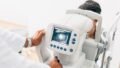
A comprehensive eye examination can assess vision and help identify refractive errors, cataracts, glaucoma, retinal changes and other eye conditions. The appropriate frequency of examinations depends on age, medical history, symptoms and individual risk factors, so follow the advice of an eye-care professional.
2. Do Not Ignore Changes in Your Vision
Difficulty reading, squinting, frequent headaches associated with visual tasks, blurred distance vision or trouble seeing clearly at night may indicate that your vision needs assessment.
People who find themselves holding a phone or book farther away to read may be experiencing presbyopia or another focusing problem. Prescription glasses can often improve clarity and comfort, but an eye examination is the best way to determine the cause.
3. Wear the Correct Prescription Glasses
Uncorrected refractive errors are a major cause of vision impairment worldwide, even though many can be addressed with glasses or contact lenses. Using the correct prescription can make reading, working, studying and other daily activities easier.
Avoid relying on another person’s prescription or assuming that over-the-counter reading glasses are suitable for every vision problem. If your glasses no longer provide clear vision, arrange an assessment rather than continuing to struggle.
4. Manage Diabetes and Other Health Conditions
People with diabetes should make eye care part of their regular health routine. Diabetic retinopathy may develop without noticeable symptoms, so retinal examinations are important even when vision seems normal.
Follow your healthcare professional’s recommendations for eye screening and managing blood sugar, blood pressure and cholesterol. These measures can help reduce the risk of diabetes-related complications, including damage to the retina.
5. Protect Your Eyes From Injuries
Eye injuries can result in temporary or permanent damage. Use suitable protective eyewear when working with tools, handling chemicals or participating in activities that pose a risk of eye trauma.
Keep potentially harmful chemicals away from the eyes, and seek immediate medical assistance after a serious injury. Chemical exposure requires urgent attention; follow emergency guidance and do not delay care while attempting home remedies.
6. Avoid Unsafe Eye Remedies and Self-Medication
Not every product described as a natural or traditional eye treatment is safe. Applying unprescribed substances, herbal preparations or unsuitable eye drops can irritate the eye, cause injury or delay treatment for a serious condition.
Use eye medications only as directed by a qualified healthcare professional. Eye redness, pain, discharge or blurred vision should not automatically be treated as a minor problem, particularly when symptoms are severe or persistent.
7. Seek Rehabilitation if Vision Loss Cannot Be Reversed
Some eye conditions cause damage that cannot be fully reversed. However, vision rehabilitation can help people with irreversible low vision make the best possible use of their remaining sight and maintain greater independence.
Depending on individual needs, rehabilitation may include training in everyday activities, mobility support, assistive devices and strategies for reading or accessing information. The WHO highlights rehabilitation as an important part of eye care for people affected by conditions such as glaucoma, diabetic retinopathy, eye trauma and age-related macular degeneration.
When Should You Seek Emergency Eye Care?
Certain eye symptoms can indicate a serious condition that requires urgent assessment. Do not assume that sudden changes in vision will resolve on their own.
Seek emergency medical attention if you experience any of the following:
- Sudden loss of vision in one or both eyes.
- Severe eye pain, particularly when accompanied by blurred vision.
- Redness with blurred vision or other significant visual changes.
- Sudden flashes of light, a new shower of floaters or a curtain-like shadow across your vision.
- A chemical splash or exposure involving the eye.
- Eye trauma or an injury that affects vision.
Sudden flashes, floaters or a curtain-like shadow can be warning signs of a retinal tear or detachment. Prompt assessment is important because some causes of sudden visual changes can lead to permanent damage if treatment is delayed.
If a chemical enters the eye, immediately begin rinsing with clean running water while seeking urgent medical advice. Do not wait for symptoms to worsen before obtaining help.
The Bottom Line
The WHO’s estimate that at least 2.2 billion people live with near or distance vision impairment highlights the scale of a global health challenge. With at least one billion cases potentially preventable or still requiring care, improving access to basic eye services remains an important priority.
Refractive errors, cataracts, glaucoma, diabetic retinopathy, age-related macular degeneration and presbyopia affect people in different ways, but many vision problems can be managed more effectively when identified early. Affordable glasses, timely surgery, regular eye examinations and appropriate treatment can help prevent avoidable impairment and preserve independence.
For individuals, the most important step is not to ignore changes in vision or skip recommended eye checks. Managing underlying health conditions, protecting the eyes from injury and seeking prompt care for concerning symptoms can also make a difference. Although not all vision loss can be prevented, early diagnosis and access to the right care can help many people protect their sight and maintain their quality of life.
Medical disclaimer: This article is for informational purposes only and is not a substitute for professional medical advice, diagnosis or treatment. Consult a qualified healthcare professional about eye symptoms, screening schedules or treatment options. Seek urgent medical attention for sudden vision loss or other serious eye symptoms.
Tighten the article for faster reading Add a concise key-points summary Clarify prevention versus treatment
For breaking news and live news updates, like us on Facebook or follow us on Twitter and Instagram. Read more on Latest Lifestyle on thefoxdaily.com.



COMMENTS 0