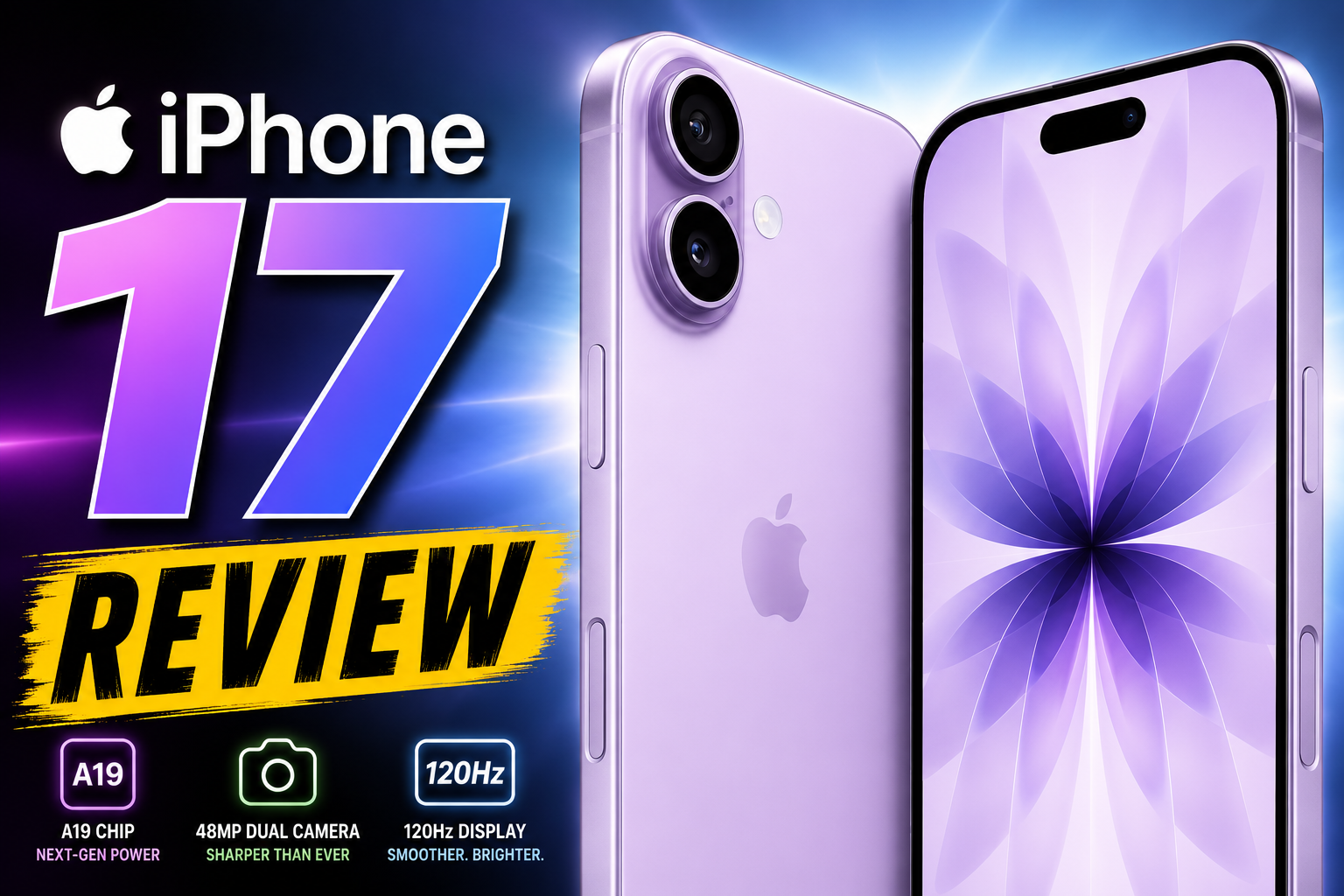
The iPhone 17 is Apple‘s standard flagship for 2025, priced at ₹80,900. For the first time, the base iPhone ships with a 120 Hz ProMotion OLED display, dual 48 MP cameras, an Always-On display, and the new Apple A19 chip features previously locked behind the Pro price tag. If you’ve been waiting for Apple to stop treating its own customers as second-class citizens on the base model, that wait is over.
Buy it if: you want a compact, lightweight iPhone experience with genuine Pro-level display technology, long software support, and Apple’s best single-core performance in a non-Pro form factor.
Skip it if: you need a dedicated telephoto lens, a larger battery, USB-C 3.2 speeds, or the RAW camera versatility of Android flagships at this price.

Introduction: What Is the iPhone 17?
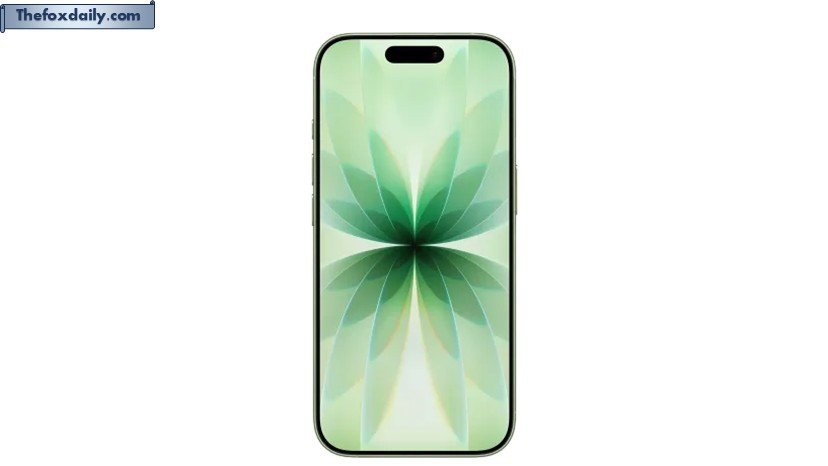
Every year, Apple releases four iPhones. Every year, the base model gets the least attention and usually the least upgrades. The iPhone 17 breaks that tradition in a meaningful way. For the first time in iPhone History, the standard model ships with ProMotion 120 Hz OLED, an Always-On display, dual 48 MP cameras, and Apple’s brand new A19 chip built on a 3nm process. This isn’t just a spec refresh it’s Apple finally acknowledging that buyers spending ₹80,900 deserve a phone that doesn’t feel like a deliberate downgrade from its own Pro sibling.
The iPhone 17 runs iOS 26, weighs just 177 grams, and measures 71.5 x 149.6 x 8 mm making it one of the most comfortable premium smartphones to hold in 2025. But with Android rivals offering more camera hardware, bigger batteries, and faster charging at similar or lower prices, is the Apple ecosystem premium still worth paying? Let’s break it down.
Key Features at a Glance
- Display: 6.3-inch OLED, 120 Hz ProMotion, Always-On, 3000 nits peak outdoor brightness
- Chipset: Apple A19 (3nm), Hexa-Core CPU, 5-core Apple GPU
- RAM & Storage: 8 GB RAM, 256 GB / 512 GB storage options
- Rear Cameras: 48 MP ƒ/1.6 (Wide, sensor-shift OIS) + 48 MP ƒ/2.2 (Ultra Wide, PDAF)
- Front Camera: 18 MP ƒ/1.9 with Retina Flash
- Battery: 3692 mAh up to 30 hours video playback, 25W MagSafe wireless charging
- OS: iOS 26 with Apple Intelligence
- IP Rating: IP68 water resistant up to 6 metres for 30 minutes
- Connectivity: Wi-Fi 7, Bluetooth 6.0, Ultra Wideband (UWB), NFC, USB-C
- Security: Face ID, Dynamic Island, Ceramic Shield 2 front glass
Design & Build Quality: Lighter, Thinner, and Quietly Stunning
Materials and Construction
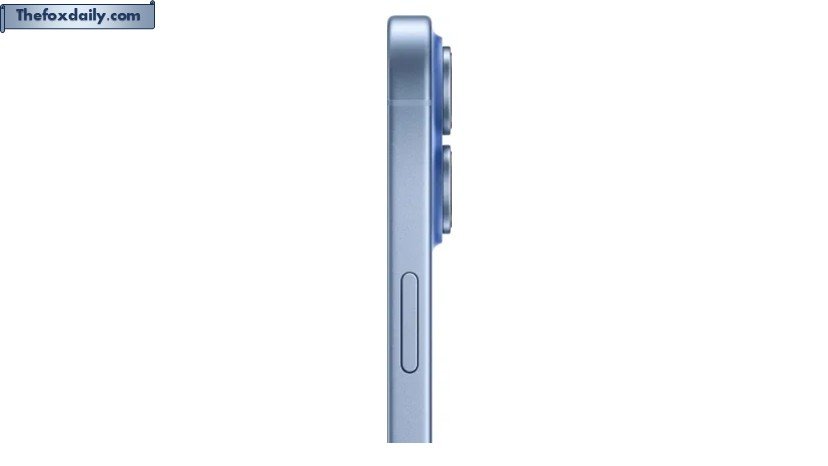
The iPhone 17 is built with the precision Apple has delivered consistently for years aluminium frame, Ceramic Shield 2 on the front, and a textured glass back that sits comfortably in the hand. At 177 grams, it’s the lightest premium flagship in its size class in 2025. The 8 mm thickness means it slides into a pocket and disappears. If you’ve ever felt fatigued carrying a 230-gram Android flagship all day, picking up the iPhone 17 is a genuine revelation.
Colour options Black, White, Mist Blue, Sage, and Lavender are fresh and distinctly non-corporate. Sage and Mist Blue in particular photograph beautifully and age gracefully without the fingerprint-magnet issues of glossy finishes.
In-Hand Feel and Ergonomics
The flat-edge design Apple introduced with the iPhone 12 and has maintained since is polarising some find the sharp aluminium edges uncomfortable during long calls, others love the grip it provides. In practice, at 71.5 mm wide, the iPhone 17 remains one-hand-friendly in a way that most 2025 flagships simply are not. Reaching the top of the screen with your thumb is possible without a grip adjustment. That’s increasingly rare, and it’s worth more than a benchmark number.
Durability
The iPhone 17’s IP68 rating covers immersion up to 6 metres for 30 minutes notably deeper than the 1.5m standard most Android flagships offer, including the Google Pixel 10 Pro. Ceramic Shield 2 on the front glass continues to be one of the most drop-resistant smartphone display protections available. Apple’s own testing shows it handles drops significantly better than traditional tempered glass. The back glass, however, remains susceptible to cracking on hard surface impacts a case is still strongly recommended.
Flaws
The anti-reflective coating on the display is still behind what samsung offers on the Galaxy S25 series. In bright outdoor sunlight, glare can be noticeable despite the 3000 nits peak brightness. The Dynamic Island notch, while functional, remains a physical compromise that Android competitors solved with true punch-hole implementations. And USB-C here is v2.0 meaningfully slower than the USB 3.2 on the Pro models and Android rivals at this price.
Performance: A19 The Fastest Chip on Any Smartphone
Daily Speed and Multitasking
The Apple A19 chip, built on TSMC’s 3nm process, is the fastest mobile processor available in 2025. A Geekbench 6 single-core score of 3,617 puts it ahead of every Android chip currently shipping including the Snapdragon 8 Elite Gen5 and Google Tensor G5. In daily use, this translates to an experience that feels instantaneous in every interaction. Face ID unlocks the phone before you’ve consciously registered reaching for it. Apps launch, switch, and respond with zero latency.
With 8 GB of RAM less than the 12–16 GB competitors offer heavy multitaskers occasionally notice apps reloading after extended background use. Apple’s memory management compensates well, but it is a limitation worth noting for power users WHO keep many apps active simultaneously.
Gaming
The 5-core Apple GPU makes the iPhone 17 one of the best gaming phones available full stop. Apple Arcade titles run flawlessly, and demanding console-quality games like Resident Evil Village perform at sustained high settings without thermal throttling. The A19’s efficiency architecture means the phone stays cooler under load than most Android flagships. Extended gaming sessions don’t result in the warm-to-hot device surface that’s common on Snapdragon devices at maximum performance.
Apple Intelligence
iOS 26 brings Apple Intelligence Apple’s on-device AI system to every interaction. Writing tools, photo editing suggestions, smart summarisation in Mail and Messages, and a significantly more capable Siri all benefit from A19’s neural engine. Unlike cloud-dependent AI features on some Android phones, most Apple Intelligence processing happens on-device, which means it works without an internet connection and raises fewer privacy concerns.
Display: ProMotion Finally Comes to the Base iPhone
This is the headline upgrade of the iPhone 17, and it’s a good one. The 6.3-inch OLED panel with 120 Hz ProMotion adaptive refresh rate is the first time the base iPhone has received this technology and the difference in daily use is immediately obvious if you’re coming from an iPhone 15 or 16. Scrolling feels fluid. Animations are smooth. It sounds like a small thing until you use it and realise how much you were tolerating before.
The 3000 nits peak outdoor brightness is genuinely usable under direct Indian summer sunlight navigating on Maps while on a scooter, checking messages outdoors, reviewing photos in bright conditions all work without squinting or shading the screen. The 2,000,000:1 contrast ratio produces deep blacks typical of OLED, and HDR content looks excellent. At 460 PPI, sharpness is high not quite the 495 PPI of the Pixel 10 Pro, but indistinguishably crisp in real-world use.
The Always-On display, carried over from Pro models, shows time, date, and notifications without requiring a full wake. It’s a small convenience that becomes second nature within days.
Camera System: Smart, Versatile, and Honest About Its Limits
Primary 48 MP Wide Camera
The Sony IMX904 sensor at ƒ/1.6 with sensor-shift OIS is a meaningful camera. Apple’s Photonic Engine computational processing produces photos that are consistently well-exposed, colour-accurate, and sharp without the over-sharpening artefacts that plague some Android cameras. Smart HDR 5 handles difficult lighting backlit subjects, high-contrast scenes, interior shots near windows better than most phones in this price range.
Night Mode performance is excellent for a non-periscope system. Apple’s multi-frame processing recovers detail and controls noise in low light with an approach that prioritises natural results over artificial brightness. Photos look like what was there, not like a simulation of daylight.
2x Optical-Quality Zoom
The iPhone 17 doesn’t have a dedicated telephoto lens a limitation compared to the Pixel 10 Pro’s 5x periscope and the OPPO Find X9 Ultra’s 10x. What it does have is a 12 MP optical-quality 2x crop from the 48 MP main sensor, which produces genuinely good results at 2x. Beyond that, digital zoom up to 10x degrades noticeably. If you frequently photograph subjects at distance wildlife, Sports, architecture this is a real limitation to factor into your decision.
48 MP Ultra Wide
The 48 MP ultra-wide covering 120° FOV with PDAF is a strong addition. The IMX972 sensor delivers sharp, detailed ultra-wide shots with autofocus that enables macro photography down to very close distances. Edge distortion is well-corrected by software. Group shots, wide interior spaces, and landscape photography all benefit from a camera that doesn’t treat ultra-wide as an afterthought.
18 MP Front Camera
The 18 MP selfie camera at ƒ/1.9 is Apple’s best front camera to date on a base model. Portrait mode on the front camera using depth information from Face ID produces natural background separation. 4K at 60fps front video recording makes the iPhone 17 a legitimate vlogging device without a gimbal. Retina Flash (screen-based flash) for low-light selfies works noticeably better than the equivalent approach on competing phones.
Video
4K Dolby Vision at 60fps, Cinematic Mode at 4K 30fps, Action Mode for stabilised handheld video, and Spatial Video recording make the iPhone 17 one of the most capable video phones available. Audio Mix a new iOS 26 feature that lets you adjust the balance between voice and background audio after recording is the kind of thoughtful addition that content creators will actually use regularly.
Battery & Charging: Smaller Pack, Smarter Management
The 3692 mAh battery is the smallest on any flagship at this price point in 2025, and on paper that’s a concern. In practice, Apple’s A19 efficiency and iOS 26’s power management deliver up to 30 hours of video playback a real-world figure that translates to reliable all-day use for most users. Heavy users extended navigation, camera-heavy days, or lots of video streaming will want a top-up by early evening.
25W MagSafe wireless charging is the standout charging feature. The magnetic alignment ensures consistent charging every time you place the phone no hunting for the sweet spot. Wired charging speeds aren’t published by Apple, but real-world testing puts 0-50% at around 30 minutes. This is slower than the 100W+ charging on Android competitors a legitimate and recurring criticism of Apple’s charging philosophy that remains unresolved.
Software: iOS 26 Refined, Secure, and Genuinely Intelligent
iOS 26 is the most capable version of Apple’s operating system yet. The interface is clean, consistent, and fast there is no Android OEM skin equivalent for how refined iOS feels to use daily. Apple Intelligence features land meaningfully in the camera app (Clean Up tool, natural language photo search), in productivity (Mail summarisation, smart reply suggestions), and in Siri (which finally handles multi-step requests reliably).
Apple guarantees 5–6 years of iOS updates for iPhone 17, which combined with the quality of iOS security patches makes it one of the most secure smartphones available. There is zero pre-installed bloatware beyond Apple’s own apps, most of which are useful and deletable if unwanted. The App Store ecosystem remains the most curated and malware-resistant mobile app marketplace in existence.
Real-World Usage Experience
Living with the iPhone 17 for an extended period reveals a phone that excels at the invisible work of being reliable. Face ID works in the dark, at angles, and with glasses it hasn’t failed once in weeks of use. Emergency SOS and Crash Detection work silently in the background without asking anything of you. iMessage and FaceTime remain the communication gold standard for anyone whose contacts are on iPhone.
The Dynamic Island, which houses the front camera and Face ID components, doubles as a notification and live activity display showing sports scores, navigation directions, music controls, and timer countdowns without opening apps. It’s a design compromise that Apple has turned into a genuine feature. The UWB chip enables Precision Finding for AirTags and seamless device handoff between Apple products that Android’s equivalent ecosystem still hasn’t matched.
The one daily friction point: USB-C 2.0 means transferring large video files to a laptop is noticeably slow compared to USB 3.2 on competing devices. For photographers and videographers who regularly move files, this is a real-world inconvenience rather than a theoretical spec complaint.
Comparison: iPhone 17 vs Competitors
| Feature | Apple iPhone 17 | Google Pixel 10 Pro | Samsung Galaxy S25 |
|---|---|---|---|
| Price (India) | ₹80,900 | ₹1,09,999 | ₹80,999 |
| Chipset | Apple A19 (3nm) | Google Tensor G5 | Snapdragon 8 Elite |
| Display | 6.3″ OLED 120 Hz, 3000 nits | 6.3″ OLED 120 Hz, 3300 nits | 6.2″ OLED 120 Hz, 2600 nits |
| Primary Camera | 48 MP ƒ/1.6, 1/1.56″ | 50 MP ƒ/1.7, 1/1.31″ | 50 MP ƒ/1.8 |
| Telephoto | 2x (crop, no dedicated lens) | 48 MP 5x Periscope | 10 MP 3x |
| Battery | 3692 mAh | 4870 mAh | 4000 mAh |
| Fast Charging | 25W MagSafe wireless | 30W wired / 15W wireless | 25W wired / 15W wireless |
| IP Rating | IP68 (6m / 30 min) | IP68 (1.5m / 30 min) | IP68 |
| Software Updates | 5–6 years iOS | 7 years Android | 4 years Android |
Against the Google Pixel 10 Pro, the iPhone 17 is ₹29,000 cheaper, has a faster chip, and a deeper IP68 rating but loses on telephoto capability, battery capacity, and update longevity. Against the Samsung Galaxy S25 at nearly the same price, the iPhone 17 wins on chip performance, video recording quality, and IP depth, while Galaxy S25 offers a dedicated telephoto and faster wired charging.
Pricing & Value for Money
At ₹80,900, the iPhone 17 is Apple’s most competitively priced flagship in years relative to what it delivers. The inclusion of 120 Hz ProMotion, Always-On display, dual 48 MP cameras, and the A19 chip at this price point makes it genuinely difficult to dismiss as overpriced which has historically been a fair criticism of base iPhones.
The value case is strongest for users already in the Apple ecosystem those with AirPods, AirTags, an iPad, or a Mac will extract meaningfully more utility from the seamless device integration than Android users switching platforms. For new-to-iPhone buyers evaluating purely on hardware, the lack of a dedicated telephoto lens and the small battery are real trade-offs that Android alternatives at this price don’t impose.
Final Verdict: The iPhone 17 Is the Base iPhone Apple Should Have Made Years Ago
The iPhone 17 is the most significant upgrade to the standard iPhone in recent memory. ProMotion 120 Hz, Always-On display, dual 48 MP cameras, and the A19 chip don’t just close the gap with the Pro models they make the iPhone 17 a genuinely complete flagship that stands on its own merits rather than existing to upsell you to the Pro.
The iPhone 17 isn’t the phone that does the most on a spec sheet. It’s the phone that does what it does better than almost anything else and makes you wonder why you ever needed more.
Buy it if you are:
- An existing iPhone or Apple ecosystem user ready to upgrade
- Someone who values the best single-core performance and smoothest mobile OS available
- A video creator who shoots 4K Dolby Vision content regularly
- A user who prefers a compact, lightweight phone without compromising on display quality
Skip it if you are:
- An Android user with no investment in the Apple ecosystem the transition cost is real
- A telephoto photography enthusiast the 2x crop zoom is a significant step down from Pixel 10 Pro’s 5x periscope
- A heavy user who needs 5000+ mAh battery life to get through the day
- A professional who regularly transfers large files and needs USB 3.2 speeds
Our Rating: 4.35 / 5 The iPhone 17 finally earns the recommendation it has been chasing for years. Not perfect, but closer than any base iPhone has ever been.
For breaking news and live news updates, like us on Facebook or follow us on Twitter and Instagram. Read more on Latest Reviews on thefoxdaily.com.






COMMENTS 0