- What Is the $10 Billion Fuel Security Package?
- Why Is Australia Doing This Now?
- Will Petrol Prices Go Down?
- Then What’s the Real Benefit?
- How Australia Compares Globally
- The Hidden Issue: Australia’s Dependence on Imports
- What About Local Refining?
- Criticism: Is This the Right Strategy?
- Supporters Say It’s a Necessary Step
- Unique Insight: This Is About Risk Management, Not Cost Reduction
- What This Means for Everyday Australians
- Future Outlook: What Happens Next?
- Conclusion: Stability Over Savings
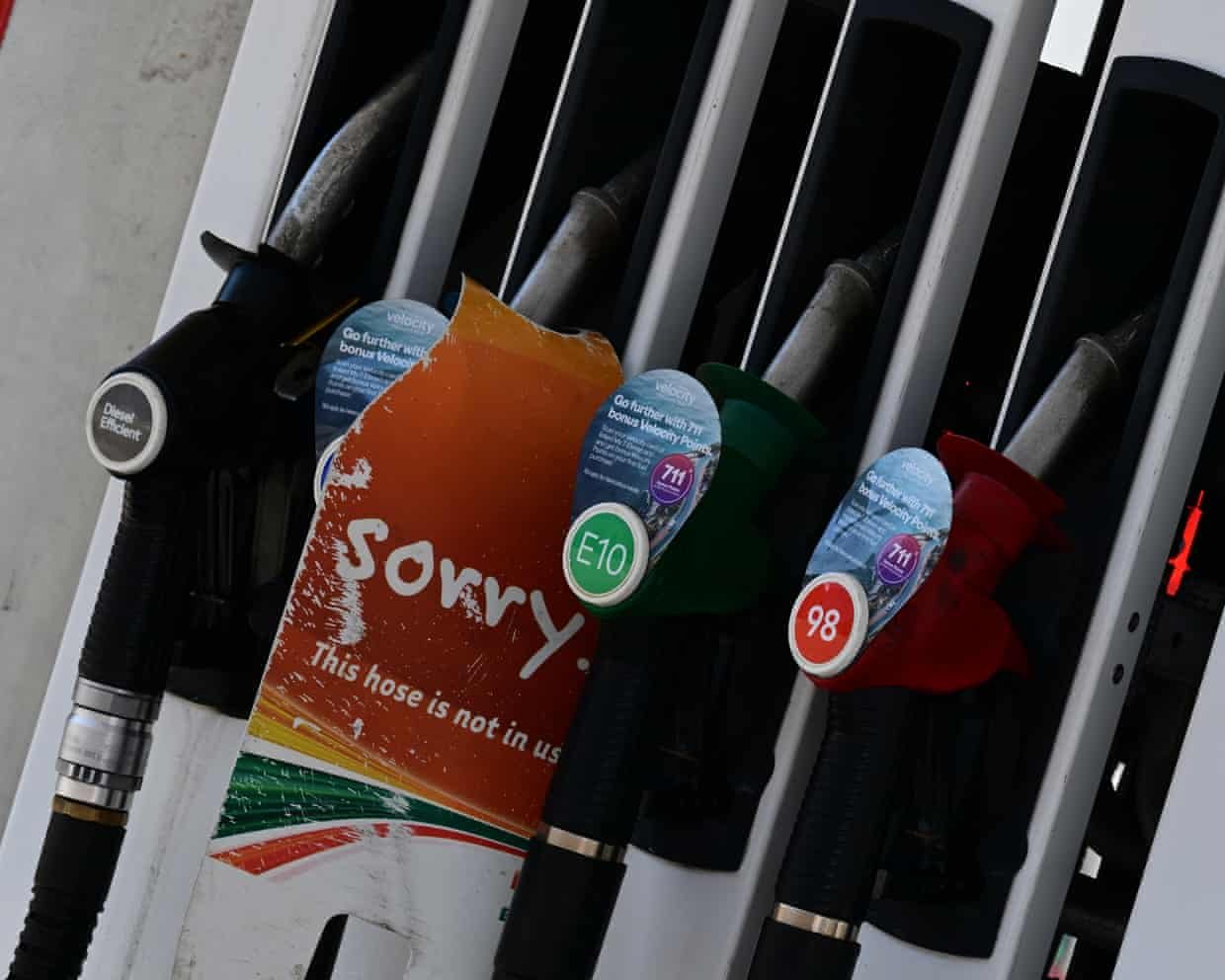
Australia’s ambitious $10 billion fuel Security package has sparked a critical question among consumers: will petrol prices actually go down? The short answer not immediately. But the long answer is far more important for households, businesses, and the country’s economic stability.
Announced amid rising geopolitical tensions and global Oil Supply uncertainty, the plan focuses on building long-term fuel security rather than delivering short-term price relief. It includes creating a strategic fuel reserve, forcing companies to store more fuel, and strengthening supply chains for both diesel and fertiliser.
So, what does this mean for your next fuel bill and why is the government spending billions on something you may not feel right away? Let’s break it down.
What Is the $10 Billion Fuel Security Package?
The government’s plan is essentially a national insurance policy against fuel shortages. It comes in two major parts:
- $7.5 billion to support private companies in importing, storing, and managing fuel and fertiliser supplies
- $3.2 billion to build a government-controlled fuel reserve of around 1 billion litres of diesel and jet fuel
Additionally, companies will be required to hold an extra 10 days of fuel stock, increasing Australia’s total reserve capacity to around 50 days.
Primary keyword insight: This policy directly targets Australia Fuel Prices stability not immediate reduction.
Why Is Australia Doing This Now?
The timing is no coincidence. The global energy landscape has become increasingly volatile due to:
- Ongoing conflicts in the Middle East
- Supply chain disruptions
- Rising geopolitical tensions affecting oil routes
Australia is particularly vulnerable because it imports roughly 90% of its refined fuel. That means any disruption overseas can quickly translate into price spikes at home.
Key insight: Australia isn’t just reacting to a crisis it’s trying to prevent the next one.
Will Petrol Prices Go Down?
Here’s the part most drivers care about.
No, this plan will not immediately reduce petrol or diesel prices.
Why?
- Fuel prices are primarily driven by Global Oil markets
- This package focuses on supply security, not pricing control
- The measures will take years to fully implement (up to 2030)
Simple explanation: Think of this as installing a backup generator it doesn’t lower your electricity bill, but it keeps the lights on during a blackout.
Then What’s the Real Benefit?
While you may not see cheaper petrol tomorrow, the long-term benefits are significant:
1. Protection from Price Spikes
By increasing fuel reserves, Australia can cushion sudden global supply shocks, preventing extreme price surges.
2. Reduced Risk of Shortages
More stored fuel means fewer chances of running out during crises.
3. Stronger Bargaining Power
With better reserves, Australia is less vulnerable to global market pressure.
4. Economic Stability
Fuel shortages don’t just affect drivers they impact transport, Agriculture, and industry.
LSI keywords used: fuel security Australia, petrol price impact, diesel supply, global oil shocks, Energy Policy Australia
How Australia Compares Globally
One of the biggest criticisms has been that Australia is playing catch-up.
| Country/Standard | Fuel Reserve Requirement |
|---|---|
| International Energy Agency (IEA) | 90 days |
| Australia (Current Plan) | 50 days |
| Coalition Proposal | 60 days |
Insight: Even after this massive investment, Australia will still fall short of global best practice.
The Hidden Issue: Australia’s Dependence on Imports
Here’s the uncomfortable truth: Australia’s fuel vulnerability isn’t just about storage it’s about production.
Over the past decade, most local refineries have shut down. Today, only two major facilities remain.
- Heavy reliance on imported refined fuel
- Long and complex supply chains
- Exposure to shipping disruptions
Key takeaway: Storing more fuel helps but it doesn’t solve the root problem.
What About Local Refining?
The government has hinted at increasing domestic refining capacity, but the commitment so far is modest.
- Only $10 million allocated for feasibility studies
- No confirmed large-scale refinery projects yet
This raises an important question: Should more money be spent on producing fuel rather than storing it?
Criticism: Is This the Right Strategy?

Not everyone is convinced the $10 billion plan is the best approach.
Critics argue:
- It focuses too much on fossil fuels
- It doesn’t address long-term energy transition
- It leaves Australia exposed to global markets
Some experts believe this is a missed opportunity to accelerate investment in renewable energy, which is not subject to global supply shocks.
Quote-style insight:
Renewable energy sources like wind and solar cannot be embargoed or disrupted by geopolitical conflict.
Supporters Say It’s a Necessary Step
On the other hand, supporters argue the plan is practical and overdue.
- Fuel remains essential for transport and agriculture
- Transition to renewables will take time
- Short-term security is critical in an unstable world
Balanced view: This is not a complete solution but it’s a safety net.
Unique Insight: This Is About Risk Management, Not Cost Reduction
Most people judge energy policies based on price but that’s only half the story.
The real goal here is risk management.
- Reducing exposure to global shocks
- Ensuring continuity during crises
- Stabilising long-term economic planning
Comparison:
- Short-term policy = fuel tax cuts (cheaper petrol now)
- Long-term policy = fuel reserves (price stability later)
Both are important but they serve very different purposes.
What This Means for Everyday Australians
For the average driver, the impact will be subtle but meaningful over time.
- No immediate drop in fuel prices
- Less volatility during global crises
- Lower risk of extreme shortages
For businesses, especially in transport and agriculture, this could mean:
- More predictable fuel costs
- Reduced operational disruptions
- Greater long-term planning stability
Future Outlook: What Happens Next?
The fuel security plan will roll out gradually:
- Stockpile requirements likely begin around 2027
- Full implementation expected by 2030
Looking ahead, three key developments will determine its success:
- Expansion of domestic refining capacity
- Integration with renewable energy strategy
- Global oil market stability
Prediction: If geopolitical tensions continue, policies like this could become the global norm rather than the exception.
Conclusion: Stability Over Savings
The $10 billion fuel security package is not designed to make petrol cheaper it’s designed to make Australia more resilient.
In a world where energy supply is increasingly uncertain, that resilience may prove far more valuable than a temporary drop in prices.
Final takeaway: You may not feel this policy at the petrol pump today but when the next Global Crisis hits, you’ll likely be glad it exists.
For breaking news and live news updates, like us on Facebook or follow us on Twitter and Instagram. Read more on Latest World on thefoxdaily.com.





COMMENTS 0