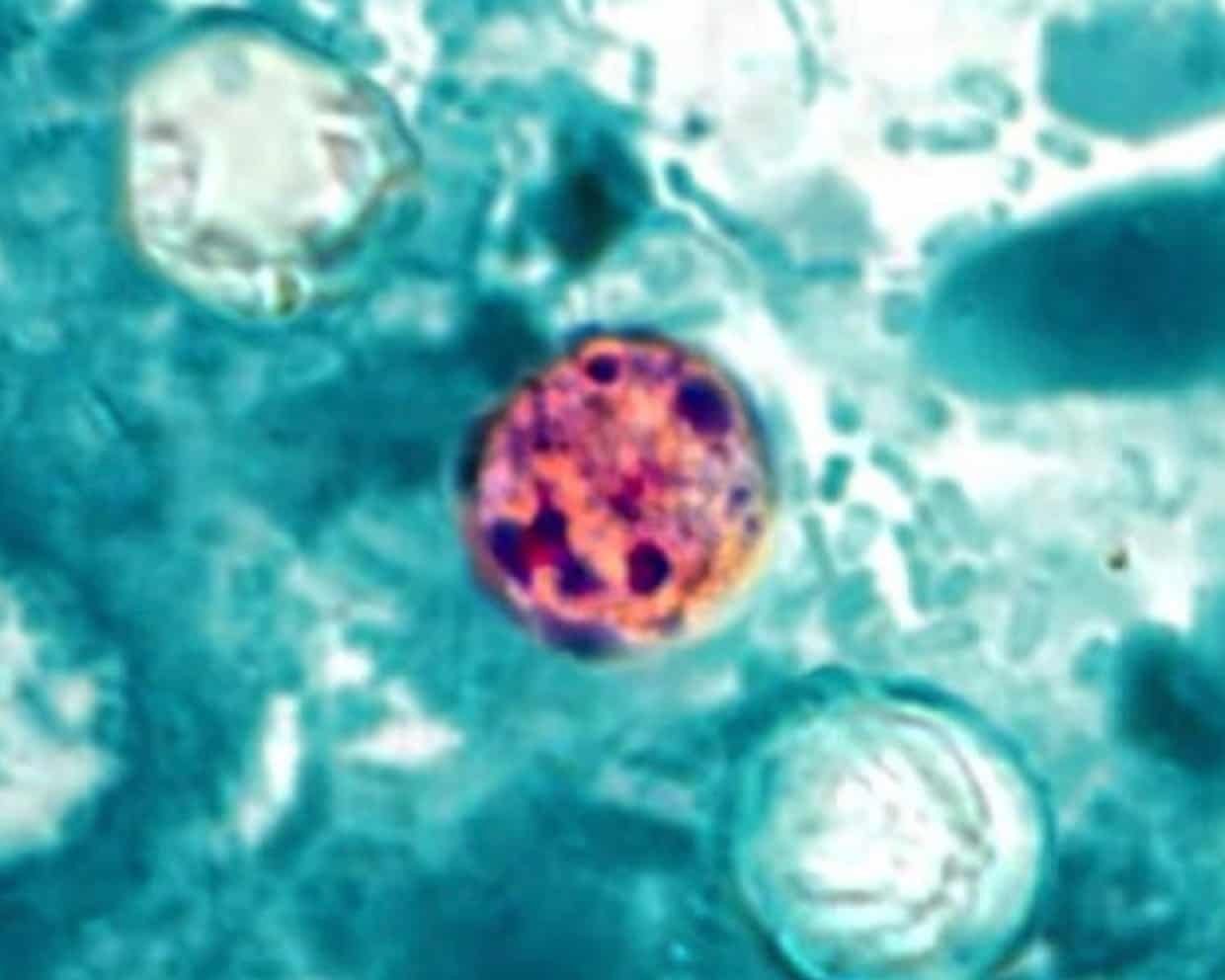
Cases of cyclosporiasis, a foodborne intestinal illness caused by the parasite Cyclospora cayetanensis, have increased significantly across several U.S. states during the 2026 summer season. Health departments, particularly in Michigan and Ohio, have reported an unusually high number of infections, prompting public health investigations into the possible source of contamination.
Although the illness is rarely fatal, it can cause prolonged gastrointestinal symptoms that significantly disrupt daily life. Patients often experience severe watery diarrhea, stomach cramps, nausea, fatigue, and loss of appetite that may persist for weeks if left untreated. Because the parasite is commonly linked to contaminated fresh produce and water, outbreaks often affect large numbers of people before the source can be identified.
The current rise in infections highlights the importance of Food Safety, public awareness, and rapid disease surveillance. Understanding how cyclosporiasis spreads, recognizing its symptoms early, and following proper food-handling practices can substantially reduce the risk of infection.
What Is Cyclosporiasis?
Cyclosporiasis is an intestinal infection caused by the microscopic parasite Cyclospora cayetanensis. Unlike bacteria or viruses, this parasite requires time outside the human body before it becomes infectious. As a result, direct person-to-person transmission is considered uncommon.
The parasite primarily spreads when people consume food or drinking water contaminated with human feces containing mature Cyclospora organisms. Because many fruits and vegetables are eaten raw, they can become effective vehicles for transmission if contaminated during growing, harvesting, packaging, or distribution.
Cyclosporiasis occurs worldwide but is most common in tropical and subtropical regions where sanitation challenges increase the likelihood of contamination. In the United States, however, infections are generally associated with imported produce or seasonal foodborne outbreaks.
Why Are Cases Rising in 2026?
Public health officials have reported a substantial increase in confirmed cases during the summer months, particularly in Michigan, where the outbreak has already exceeded the state’s typical annual numbers. Other states have also documented rising infections, suggesting a broader multi-state outbreak rather than isolated local events.
Investigators are working to determine whether the infections are connected through a common food source, distribution network, or agricultural supplier. Such investigations often take weeks because patients may have consumed numerous fresh foods before becoming ill.
Until investigators identify the source, health agencies continue advising consumers to exercise extra caution when handling fresh produce.
Quick Facts About the 2026 Outbreak
| Category | Current Information |
|---|---|
| Disease | Cyclosporiasis |
| Cause | Cyclospora cayetanensis parasite |
| Main Symptom | Watery diarrhea, sometimes severe |
| Primary Transmission | Contaminated food and water |
| Peak Season | Late spring through summer |
| Most Common Sources | Fresh fruits, leafy vegetables, herbs |
Common Symptoms of Cyclosporiasis
The illness usually begins several days after consuming contaminated food or water. Symptoms may appear gradually and often fluctuate, improving before returning again.
- Frequent watery diarrhea
- Sudden or explosive bowel movements
- Abdominal pain and cramping
- Nausea
- Vomiting
- Fatigue and weakness
- Loss of appetite
- Unintended weight loss
- Bloating and increased gas
- Low-grade fever in some patients
One of the unique characteristics of cyclosporiasis is that symptoms can relapse. A person may begin feeling better only to experience another episode of diarrhea days later. Without treatment, some infections can continue for several weeks or even longer.
How Does Cyclospora Spread?
Cyclospora spreads primarily through contaminated food and water rather than through casual contact with infected individuals. The parasite is shed in human stool but requires time in the environment before becoming infectious, making immediate person-to-person spread unlikely.
Contamination typically occurs when irrigation water, washing water, or agricultural environments become contaminated with human waste. Fresh produce consumed without cooking presents the highest risk because heat normally destroys the parasite.
Foods that have been associated with previous outbreaks include:
- Lettuce
- Spinach
- Cilantro
- Basil
- Green onions
- Raspberries
- Blackberries
- Mixed salad greens
- Snow peas
These foods often have uneven surfaces that make it difficult to completely remove microscopic contaminants through washing alone.
How Long Does It Take to Become Sick?
The incubation period for cyclosporiasis is generally about one week, although symptoms can appear anywhere from two days to approximately two weeks after exposure.
Because symptoms develop several days after eating contaminated food, many patients have difficulty remembering exactly what they consumed. This delay also makes outbreak investigations considerably more challenging for public health officials.
Who Is Most at Risk?
Anyone can become infected after consuming contaminated food or water, but some groups are more vulnerable to severe illness.
| Higher-Risk Group | Reason |
|---|---|
| Older adults | Greater risk of dehydration |
| Young children | Fluid loss can become serious more quickly |
| People with weakened immune systems | Symptoms may last longer and become more severe |
| International travelers | Higher exposure in regions where Cyclospora is more common |
Even healthy adults can experience prolonged illness that interferes with work, travel, and daily activities.
How Does This Outbreak Compare With Previous Ones?
Although cyclosporiasis outbreaks occur almost every summer in the United States, the current surge has attracted attention because of the unusually high number of reported cases in multiple states.
Historically, large outbreaks have often been linked to imported fresh produce. Previous investigations have identified contaminated raspberries, basil, cilantro, packaged salads, and leafy vegetables as the source of infections affecting hundreds or even thousands of people.
The 2026 outbreak appears to follow a similar seasonal pattern, though investigators have not yet confirmed the exact source.
Timeline of Major Cyclospora Outbreaks
| Year | Major Development |
|---|---|
| 1996 | Large North American outbreak linked to imported raspberries. |
| 2018 | Multiple-state outbreak associated with fresh vegetable products. |
| 2019 | Large outbreak linked to imported basil. |
| 2022 | Cases associated with contaminated packaged salad products. |
| 2026 | Multi-state investigation underway as infections rise during summer. |
Why Summer Is Peak Season
Cyclosporiasis cases increase during warmer months because fresh fruits, leafy vegetables, and herbs are consumed more frequently. Summer also coincides with peak agricultural production and increased distribution of fresh produce across national supply chains.
The parasite survives well under certain environmental conditions, and international food distribution means contaminated produce can reach consumers in many different states before investigators recognize an outbreak pattern.
Why Public Health Investigations Take Time
Unlike outbreaks linked to a single restaurant or event, foodborne parasitic illnesses often involve products distributed across numerous grocery stores and regions. Investigators must interview patients, compare food histories, trace supply chains, and conduct laboratory testing before identifying a common source.
This detailed process helps ensure that any recalls or public health advisories are based on reliable evidence rather than assumptions. Until the investigation is complete, consumers should remain informed and practice safe food handling to reduce their risk of infection.
How Is Cyclosporiasis Diagnosed?
Diagnosing cyclosporiasis can be challenging because its symptoms resemble those of many other gastrointestinal illnesses caused by bacteria, viruses, or parasites. Healthcare providers typically begin by reviewing a patient’s symptoms, travel history, recent meals, and possible exposure to contaminated food or water.
Confirmation usually requires specialized laboratory testing of stool samples. Unlike routine stool examinations, detecting Cyclospora cayetanensis often requires specific tests because the parasite may not be identified during standard screenings.
Early diagnosis is important because prompt treatment can shorten the duration of illness and reduce complications related to dehydration and prolonged diarrhea.
How Is Cyclosporiasis Treated?
Most healthy people eventually recover from cyclosporiasis, but medical treatment can significantly reduce the severity and duration of symptoms. Doctors commonly prescribe appropriate antibiotics for confirmed infections.
In addition to medication, supportive care plays a vital role in recovery. Patients are generally advised to:
- Drink plenty of fluids to prevent dehydration.
- Replace lost electrolytes when necessary.
- Eat light, easily digestible foods during recovery.
- Seek medical attention if symptoms become severe or persistent.
Individuals with weakened immune systems may require closer medical monitoring because they can experience longer-lasting infections.
Can Washing Produce Remove the Parasite?
Washing fresh fruits and vegetables under clean running water is an important food safety practice, but it does not always eliminate Cyclospora. The microscopic parasite can cling to uneven surfaces and tiny crevices found on leafy greens, berries, herbs, and other fresh produce.
Because of this, health experts recommend combining proper washing with additional precautions whenever possible, especially during active outbreak investigations.
| Food Safety Practice | Why It Helps |
|---|---|
| Wash produce under running water | Removes dirt and reduces surface contamination. |
| Discard outer lettuce leaves | Outer leaves are more likely to carry contaminants. |
| Cook vegetables when appropriate | Heat destroys the parasite. |
| Use clean cutting boards | Reduces cross-contamination. |
| Wash hands before food preparation | Improves overall food hygiene. |
Simple Steps to Reduce Your Risk
Although it is impossible to eliminate every foodborne risk, following safe food-handling practices can significantly reduce the chances of infection.
- Wash fresh produce thoroughly before eating.
- Separate raw produce from raw meat and seafood.
- Refrigerate perishable foods promptly.
- Drink water from safe, reliable sources.
- Cook vegetables whenever practical.
- Pay attention to public health advisories and food recalls.
Consumers should also inspect fresh produce for damage and avoid purchasing products that appear spoiled or improperly stored.
Why Food Traceability Matters
Modern food supply chains often span multiple countries, farms, processing facilities, and distribution centers before products reach grocery shelves. While this allows consumers to enjoy fresh produce year-round, it also makes outbreak investigations more complex.
Improved traceability systems help investigators identify contaminated products more quickly, reducing the number of illnesses and enabling faster recalls when necessary. Advances in digital tracking technologies are expected to strengthen food safety efforts in the years ahead.
Common Myths About Cyclosporiasis
| Myth | Fact |
|---|---|
| It spreads easily from person to person. | Direct transmission is uncommon because the parasite must mature outside the human body before becoming infectious. |
| Only international travelers become infected. | Domestic outbreaks linked to contaminated produce occur in the United States almost every year. |
| Washing produce always removes the parasite. | Washing helps but may not completely eliminate Cyclospora. |
| Everyone develops severe symptoms. | Some infected individuals experience mild illness or no symptoms at all. |
Public Health Response to the Current Outbreak
State and local health departments continue working with federal agencies to identify the source of the current increase in cases. Their efforts include interviewing patients, testing laboratory samples, tracing food distribution networks, and monitoring new reports from hospitals and healthcare providers.
If investigators identify a contaminated product, officials may issue recalls or public health advisories to help prevent additional infections.
Why Early Medical Attention Is Important
Persistent diarrhea can quickly lead to dehydration, particularly among children, older adults, and individuals with chronic health conditions. Anyone experiencing severe diarrhea lasting several days, signs of dehydration, high fever, or blood in the stool should seek prompt medical evaluation.
Early diagnosis not only improves patient care but also helps public health officials detect outbreaks more rapidly.
Expert Insight: A Reminder About Food Safety
The current outbreak serves as a reminder that food safety begins long before products reach the dinner table. Safe agricultural practices, clean irrigation water, careful food processing, and responsible consumer handling all contribute to reducing the spread of foodborne illnesses.
While outbreaks involving Cyclospora remain relatively uncommon compared with many bacterial foodborne diseases, they can affect hundreds or even thousands of people when contaminated produce enters widespread distribution.
What Happens Next?
Health investigators will continue analyzing patient interviews and food supply records until they determine whether a common source connects the reported cases. Depending on the findings, consumers could see updated guidance, product recalls, or additional preventive recommendations.
Continued surveillance is also expected as more healthcare providers report confirmed infections during the remainder of the summer season.
Key Takeaways
- Cyclosporiasis is caused by the parasite Cyclospora cayetanensis.
- The illness commonly spreads through contaminated fresh produce or water.
- Watery diarrhea is the most frequently reported symptom.
- Symptoms typically appear about one week after exposure.
- Laboratory testing is required for confirmation.
- Appropriate antibiotic treatment is available for most patients.
- Proper food handling and awareness remain the best defenses during outbreaks.
Conclusion
The recent increase in cyclosporiasis cases across multiple U.S. states highlights the ongoing importance of food safety, disease surveillance, and public awareness. Although the illness is rarely life-threatening, its symptoms can be prolonged and disruptive, making early recognition and medical evaluation essential.
As investigators continue searching for the source of the current outbreak, consumers can reduce their risk by practicing safe food handling, washing fresh produce, staying informed about public health updates, and seeking medical care if persistent gastrointestinal symptoms develop. Continued cooperation between health authorities, food producers, retailers, and consumers will remain essential for limiting future outbreaks and strengthening confidence in the food supply.
For breaking news and live news updates, like us on Facebook or follow us on Twitter and Instagram. Read more on Latest World on thefoxdaily.com.





COMMENTS 0