- What Is the Texas H-1B Probe About?
- Understanding “Ghost Offices” in Visa Fraud
- Why the H-1B Program Is So Important
- A Political Flashpoint: Immigration Meets Public Narrative
- A Unique Insight: The Risk of “Overcorrection”
- Industry Response: Caution and Cooperation
- Texas Policy Signals: A Shift in Approach
- Comparison: Legitimate Use vs Alleged Misuse of H-1B
- What Happens Next?
- Conclusion: A Defining Moment for the H-1B Debate
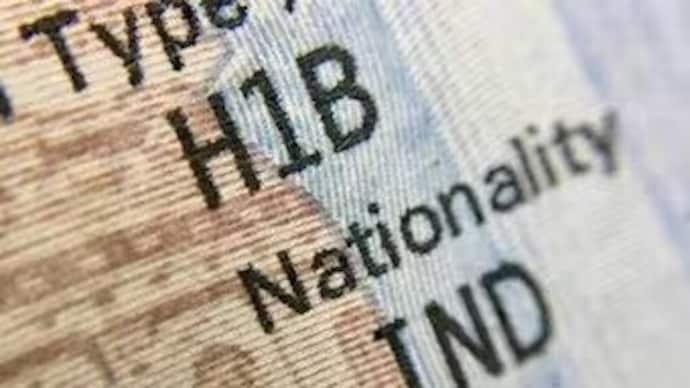
A major H-1B visa Fraud Investigation in Texas is putting the spotlight on alleged misuse of one of America’s most important skilled immigration programs. Authorities in Texas have launched a wide-ranging probe into nearly 30 companies many in the IT and consulting sector over suspicions that some may have used “ghost offices” and questionable Business setups to secure visas.
While the allegations are serious, the broader implications go far beyond a single investigation. This case sits at the intersection of Immigration Policy, economic needs, political pressure, and global talent mobility.
What Is the Texas H-1B Probe About?
The investigation centers on claims that certain companies may have engaged in fraudulent practices to obtain H-1B visas, which allow U.S. employers to hire foreign professionals in specialized fields such as Technology, engineering, and finance.
Authorities are examining whether some firms:
- Created fake or non-operational office locations
- Listed residential properties as commercial workplaces
- Advertised services that may not actually exist
- Sponsored multiple visa applications without clear business activity
To support the probe, officials have issued Civil Investigative Demands (CIDs), requiring companies to provide detailed records including employee data, financial documents, and internal communications.
Understanding “Ghost Offices” in Visa Fraud
The term “ghost offices” refers to business locations that exist on paper but lack real operations.
In the context of visa applications, this could mean:
- A company claiming to operate from an address that is inactive or empty
- Minimal or no staff present at the listed workplace
- No verifiable commercial activity despite sponsoring workers
Such setups, if proven, could be used to meet formal visa requirements without genuine business need undermining the purpose of the program.
Why the H-1B Program Is So Important
The H-1B visa program plays a critical role in the U.S. Economy.
| Feature | Details |
|---|---|
| Purpose | Hire skilled foreign professionals |
| Annual Cap | 65,000 visas |
| Additional Quota | 20,000 for advanced degree holders |
| Key Sectors | Technology, engineering, healthcare, finance |
For many companies especially in the tech industry the program helps fill talent gaps that cannot easily be met domestically.
This is why allegations of misuse are taken seriously: they risk undermining a system that many legitimate businesses rely on.
A Political Flashpoint: Immigration Meets Public Narrative
The investigation comes amid growing political scrutiny of immigration policies in the United States.
In recent months, Social Media campaigns and activist groups have amplified claims of widespread visa abuse, particularly in parts of North Texas. Some of these claims have been controversial, with critics arguing that they mix legitimate concerns with exaggerated or unverified narratives.
This creates a complex Environment where:
- Policy decisions are influenced by public perception
- Investigations are shaped by political pressure
- Immigrant communities may face increased scrutiny
Separating fact from rhetoric becomes essential but not always easy.
A Unique Insight: The Risk of “Overcorrection”
One of the most important and often overlooked angles in this situation is the risk of policy overcorrection.
When allegations of fraud emerge, governments often respond with stricter enforcement. While this is necessary for maintaining integrity, it can also lead to unintended consequences:
- Legitimate companies facing increased compliance burdens
- Delays in visa processing
- Reduced attractiveness of the U.S. for global talent
This creates a delicate balance: how do you prevent abuse without discouraging Innovation and talent inflow?
Industry Response: Caution and Cooperation
Some companies named in the investigation have denied wrongdoing and expressed willingness to cooperate with authorities.
This response reflects a broader industry stance:
- Support for transparency and compliance
- Concern about reputational damage from unproven allegations
- Desire to protect the credibility of the H-1B system
For many firms, the stakes are high not just legally, but commercially.
Texas Policy Signals: A Shift in Approach
The investigation is part of a larger shift in how Texas is approaching the H-1B program.
Recent measures include:
- Increased scrutiny of visa usage by public institutions
- Temporary freezes on new H-1B applications in certain sectors
- Calls for stronger safeguards to prioritize local employment
These moves suggest a broader trend toward tighter oversight one that could influence national policy debates.
Comparison: Legitimate Use vs Alleged Misuse of H-1B
| Aspect | Legitimate Use | Alleged Misuse |
|---|---|---|
| Business Activity | Active operations | Minimal or unclear operations |
| Work Location | Verified office sites | Fake or residential addresses |
| Hiring Need | Skill-based requirement | Unclear or inflated demand |
| Compliance | Meets regulatory standards | Potential manipulation of rules |
What Happens Next?
The investigation is still in its early stages, and outcomes could vary widely depending on findings.
Possible developments include:
- Legal action against companies if fraud is proven
- Policy changes at the state or federal level
- Increased compliance requirements for all H-1B sponsors
It is important to note that allegations alone do not establish guilt due process will determine the final outcome.
Conclusion: A Defining Moment for the H-1B Debate
The Texas H-1B visa fraud probe is more than just an investigation it is a reflection of broader tensions in immigration policy, economic priorities, and public discourse.
It raises critical questions:
- How can the system prevent abuse without harming legitimate users?
- What role should politics play in shaping immigration enforcement?
- How can trust be maintained in a program vital to innovation?
As the case unfolds, its impact is likely to extend far beyond Texas potentially shaping the future of skilled immigration in the United States.
For now, one thing is clear: the balance between enforcement and opportunity has never been more important.
For breaking news and live news updates, like us on Facebook or follow us on Twitter and Instagram. Read more on Latest World on thefoxdaily.com.






COMMENTS 0