
Iran has urged the United States to accept its proposal to reopen the Strait of Hormuz, with Foreign Minister Abbas Araqchi saying Tehran’s offer remains on the table despite stalled negotiations between the two countries. The proposal outlines a seven-day process to restore access to the strategically important waterway, provided Washington agrees to Iran’s conditions.
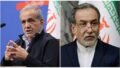
Araqchi made the remarks on Sunday, October 18, while visiting Baghdad for a meeting of the Organisation of Islamic Cooperation (OIC). He said Iran had received comments from Washington on its proposal and was reviewing them, but accused the United States of failing to demonstrate the willingness needed to reach an agreement.
The diplomatic initiative comes amid continuing tensions between Tehran and Washington following the collapse of an interim ceasefire. The two sides remain divided over the sequence of negotiations, particularly whether discussions should initially focus on reopening the Strait of Hormuz or address Iran’s nuclear programme from the outset.
The outcome could have significant implications for international energy markets. Before the war, the Strait of Hormuz carried about one-fifth of global oil and liquefied natural gas (LNG) trade, making the security and accessibility of the waterway a major concern for energy-importing countries.
Iran Says Seven-Day Strait of Hormuz Proposal Remains on the Table
Iran presented its proposal to the United States in mid-September, after an interim ceasefire collapsed. Tehran later acknowledged receiving a response from Washington, but negotiations have since stalled over disagreements about the conditions required to reopen the strait.
Iranian Foreign Minister Abbas Araqchi said Tehran was reviewing the American comments while maintaining that its original proposal remained available for consideration.
“Our situation is clear and based on the seven-days proposal presented to the US,” Araqchi said, adding that Iran had received comments from Washington and was reviewing them.
Araqchi also questioned whether the United States was negotiating in good faith, arguing that the path towards reopening the waterway was clear if Washington genuinely wanted an agreement.
According to Iran’s proposal, the process could lead to the reopening of the Strait of Hormuz within six days, with negotiations resuming on the seventh day. The arrangement is conditional on Washington accepting Tehran’s demands.
The proposal therefore represents a possible framework for negotiations rather than a confirmed reopening schedule. No agreement has been reached, and the timing would depend on whether the two sides can resolve their differences.
What Are Iran’s Seven Conditions for Reopening the Strait of Hormuz?
Iran has linked the reopening of the Strait of Hormuz to a broader set of demands involving sanctions, maritime restrictions and the conflict across the region. The conditions are intended to address what Tehran considers the immediate obstacles to restoring security and normal passage through the waterway.
Among the demands identified by Iran are:
- Lifting the US blockade on Iranian ports: Tehran wants Washington to remove restrictions affecting access to its ports.
- Ending US sanctions on Iranian oil exports: Iran is seeking relief from restrictions on its oil trade, a major source of government revenue.
- Ending hostilities across regional fronts: Tehran wants a broader cessation of fighting rather than an arrangement limited to the maritime corridor.
These are among the demands associated with Iran’s seven-condition proposal. The supplied statements do not detail every condition, so the complete list cannot be established from the available information.
Iran’s approach links maritime access to wider political and security issues. Rather than treating the strait’s reopening as an isolated arrangement, Tehran wants negotiations to address restrictions on its economy and the broader conflict environment.
That approach could complicate negotiations because Washington may view the maritime issue separately from sanctions relief and the future of Iran’s nuclear programme. The two countries must therefore agree not only on what measures are required but also on the order in which they should be implemented.
Why Iran Wants the Strait of Hormuz Reopened First
Iran has argued that negotiations should initially concentrate on reopening the Strait of Hormuz and restoring security in the waterway. Tehran’s position differs from Washington’s preference to address Iran’s nuclear activities at an early stage of the talks.
The strait is one of the world’s most important energy shipping routes. Before the war, approximately 20% of global oil and LNG trade passed through the narrow waterway connecting the Persian Gulf with the Gulf of Oman and the wider Arabian Sea.
Its importance extends well beyond Iran and the United States. Major energy exporters in the Gulf rely on the route to reach international markets, while importing economies depend on shipments moving through it to meet their energy needs.
Disruptions can affect shipping schedules, insurance costs, freight rates and the availability of crude oil and natural gas. Even uncertainty about whether vessels can pass safely may influence energy-market expectations and increase the cost of transporting supplies.
For countries that rely heavily on imported energy, prolonged restrictions can create additional pressure on fuel costs and supply planning. The effects depend on the scale and duration of the disruption, the availability of alternative supplies and the ability of shipping companies to adjust their routes.
By prioritising the reopening of the strait, Tehran is seeking to make maritime security an immediate focus of negotiations. However, Washington’s insistence on discussing the nuclear issue at the outset remains a major obstacle to agreement.
US Insists Iran Must Address Its Nuclear Programme
The nuclear issue remains one of the central points of disagreement between Iran and the United States. Washington wants negotiations to address Iran’s nuclear programme early, while Tehran argues that the immediate priority should be reopening the Strait of Hormuz and restoring security in the waterway.
US Vice President JD Vance said earlier in October that Iran must make a “meaningful” reduction in its uranium enrichment capacity to meet American demands and bring the eight-month war between the countries to an end.
The US position indicates that Washington does not view the maritime dispute as separate from the wider security concerns surrounding Iran. For American officials, Iran’s nuclear capabilities are a major issue that negotiations must address rather than postpone until after an agreement on shipping access.
Iran’s preferred sequence is different. By placing the reopening of the strait first, Tehran is seeking to prioritise a practical issue with immediate consequences for regional security and international energy flows.
The disagreement over sequencing could determine whether negotiations move forward. Even if both sides recognise the importance of reopening the waterway, they may struggle to reach a deal if they cannot agree on whether nuclear restrictions, sanctions relief or maritime arrangements should come first.
For now, Araqchi’s statement indicates that Iran remains willing to discuss its proposal, but it does not establish that Washington has accepted Tehran’s conditions or agreed to the proposed timetable.
Why the Strait of Hormuz Matters to Global Oil and LNG Markets
The Strait of Hormuz is a critical link between energy producers in the Persian Gulf and international buyers. Its importance stems from the large volume of oil and LNG that normally moves through the route and the limited ability to redirect all those shipments through alternative channels.
When passage through the strait is disrupted, energy traders and importers must assess whether other suppliers and shipping routes can compensate for the lost or delayed cargoes. The answer depends on available production, transport infrastructure, shipping capacity and the duration of the disruption.
Oil prices can respond to expectations about future supply as well as to actual shortages. If traders believe that a prolonged disruption could reduce available supplies, prices may rise before the full impact is reflected in physical deliveries. Shipping and insurance costs may also increase when vessels face greater uncertainty or risk.
Natural gas markets can be affected too, particularly because LNG shipments depend on specialised vessels and established export and import infrastructure. Delays or interruptions to cargoes can force buyers to seek replacement supplies in an already competitive market.
A reopening agreement could help reduce uncertainty by improving expectations about the movement of energy shipments. However, any lasting effect would depend on the terms of the agreement, the security situation and whether commercial vessels could resume transit reliably.
A diplomatic announcement alone would not necessarily restore normal shipping immediately. Vessel operators, insurers, energy companies and governments would need to assess the practical conditions for safe passage before making operational decisions.
Could Iran’s Proposal Break the Deadlock With Washington?
Iran’s seven-day proposal provides a possible framework for restarting negotiations, but several obstacles remain. The two sides disagree over the conditions for reopening the strait, the lifting of restrictions and the priority that should be given to Iran’s nuclear programme.
Tehran has said that Washington responded to the proposal and that Iranian officials are reviewing the comments. However, Iran’s security chief said last week that negotiations had stalled because the United States had not addressed all seven conditions required by Tehran.
This suggests that the diplomatic process has not advanced to the point of a mutually accepted implementation plan. The proposal remains an Iranian offer, and its practical prospects depend on how the United States responds to the outstanding demands.
One possible obstacle is the breadth of the conditions. Iran has connected the reopening of the waterway to sanctions, restrictions on its ports and the end of hostilities across regional fronts. Washington may seek to negotiate those issues separately or attach its own conditions to any agreement.
The nuclear dispute adds another layer of complexity. If the United States insists that uranium enrichment must be addressed before maritime access is restored, Tehran may resist a sequence that delays its immediate priorities. Conversely, an agreement focused only on the strait may not satisfy Washington’s broader security objectives.
Any breakthrough would therefore require more than agreement on a timetable. The two governments would need to establish which restrictions would be lifted, how compliance would be assessed and what arrangements would ensure that vessels could pass through the strait safely.
What Happens Next in the Iran-US Talks?
The immediate focus is on Iran’s review of the American response and whether the two sides can find common ground on the seven conditions. Araqchi’s comments indicate that Tehran has not withdrawn its proposal, but there is no confirmed agreement to reopen the strait within the suggested period.
Several questions remain unresolved: whether Washington is prepared to lift the restrictions Iran has identified, whether the nuclear issue can be negotiated alongside the maritime dispute, and whether both sides can agree on a sequence of measures that satisfies their security concerns.
The proposed timeline also depends on political decisions rather than a fixed operational schedule. Iran says the strait could reopen within six days if its conditions are accepted, followed by negotiations on the seventh day. Until the United States accepts the framework and the details are settled, that timeline remains conditional.
For international energy markets, the most important indicator will be whether diplomatic discussions produce credible arrangements that allow commercial shipping to resume safely and consistently. Statements of intent may influence expectations, but reliable passage depends on implementation and security on the ground and at sea.
Conclusion: Iran Keeps Reopening Offer on the Table as Nuclear Dispute Persists
Iran has renewed its call for the United States to accept a proposal that could reopen the Strait of Hormuz within seven days. Foreign Minister Abbas Araqchi says Tehran is reviewing Washington’s comments but remains committed to its offer, which links maritime access to sanctions relief, the lifting of restrictions on Iranian ports and an end to hostilities across regional fronts.
The proposal offers a possible route towards restoring access to a waterway that normally carries about one-fifth of global oil and LNG trade. However, the two countries remain divided over the conditions for reopening the strait and whether Iran’s nuclear programme should be addressed at the beginning of negotiations.
Until those differences are resolved, the proposed timetable remains uncertain. The next stage will depend on Washington’s response, Iran’s assessment of the outstanding issues and whether both sides can agree on practical measures to restore secure maritime passage.
For the global energy market, a credible agreement could reduce uncertainty surrounding a major shipping route. But the proposal’s significance will ultimately depend on whether diplomatic commitments translate into safe, reliable and sustained access through the Strait of Hormuz.
For breaking news and live news updates, like us on Facebook or follow us on Twitter and Instagram. Read more on Latest World on thefoxdaily.com.





COMMENTS 0