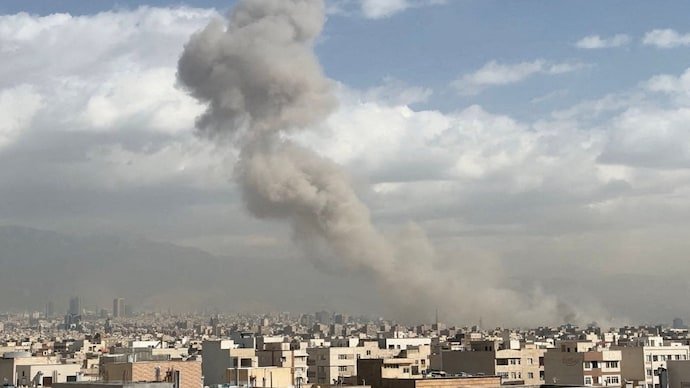
The fragile calm that followed the April ceasefire between Israel and Iran has been shattered after both countries exchanged direct military strikes in one of the most significant escalations of the conflict this year. Loud explosions were reported across multiple Iranian cities, including Tehran, after Israel confirmed attacks on military targets inside the country.
The strikes came just hours after Iran launched ballistic missiles toward northern Israel in response to Israeli military operations in Beirut‘s southern suburbs. The rapid sequence of attacks has revived fears of a wider Middle East Conflict, complicated ongoing diplomatic efforts led by the United States, and triggered sharp reactions in global financial and energy markets.
While both countries have engaged in indirect confrontations through regional allies for years, direct military exchanges between Israel and Iran remain among the most dangerous developments in international Security because of their potential to draw in multiple regional and global powers.
What Happened? Understanding the Latest Escalation
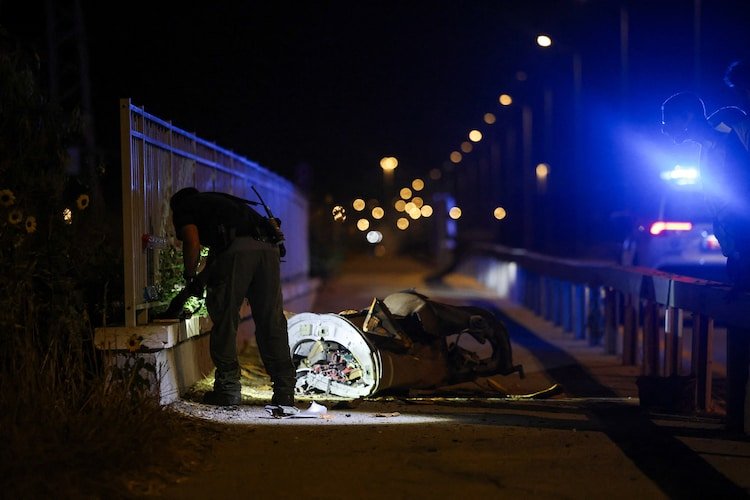
The immediate crisis began after Israel conducted strikes in Beirut’s southern suburbs, an area widely regarded as a Hezbollah stronghold. Iran condemned the attacks and responded by launching a wave of ballistic missiles toward Israel.
Air raid sirens reportedly sounded across northern Israeli communities as missile defense systems were activated to intercept incoming projectiles.
Within hours, Israel announced retaliatory strikes against military targets inside Iran. Explosions were subsequently reported in Tehran as well as in other major cities, including Isfahan and Tabriz.
The exchange marked the first direct military confrontation between the two nations since the ceasefire that followed months of regional hostilities earlier this year.
| Timeline of Events | Key Development |
|---|---|
| Israeli operation in Beirut | Targets linked to Hezbollah infrastructure |
| Iranian response | Ballistic missiles launched toward Israel |
| Israeli retaliation | Military targets struck inside Iran |
| Diplomatic reaction | US urges restraint while pursuing negotiations |
| Market response | Oil prices rise amid supply concerns |
Why Lebanon Has Become the Center of the Crisis
Although the conflict is being framed as a confrontation between Israel and Iran, Lebanon remains the central issue driving the current escalation.
Iran has repeatedly argued that any lasting regional settlement must include an end to Israeli military operations in Lebanon. Tehran views Hezbollah as a critical ally and considers attacks on the group part of a broader challenge to its regional influence.
Israel, meanwhile, argues that Hezbollah’s military capabilities pose a direct security threat and maintains that operations against the group are separate from negotiations involving Iran.
This disagreement has become one of the biggest obstacles to diplomatic progress.
For Tehran, Lebanon is inseparable from broader regional security discussions. For Israel, Hezbollah remains a distinct military challenge that requires direct action regardless of wider negotiations.
Trump’s Effort to Prevent Further Escalation
The latest exchange has also highlighted tensions between military operations and diplomatic efforts.
US President Donald Trump has been pushing for a broader agreement with Iran and has repeatedly expressed optimism that negotiations remain close to producing results.
Reports indicate that Trump urged Israeli Prime Minister Benjamin Netanyahu to avoid actions that could jeopardize diplomatic progress.
The US president publicly emphasized that ongoing military exchanges would not derail negotiations, insisting that Diplomacy remained on track despite the latest escalation.
His comments underscore Washington’s desire to prevent a regional conflict from undermining efforts to secure a larger agreement involving Iran’s nuclear program, sanctions relief, and regional security issues.
The Strategic Significance of Iran’s Missile Attack
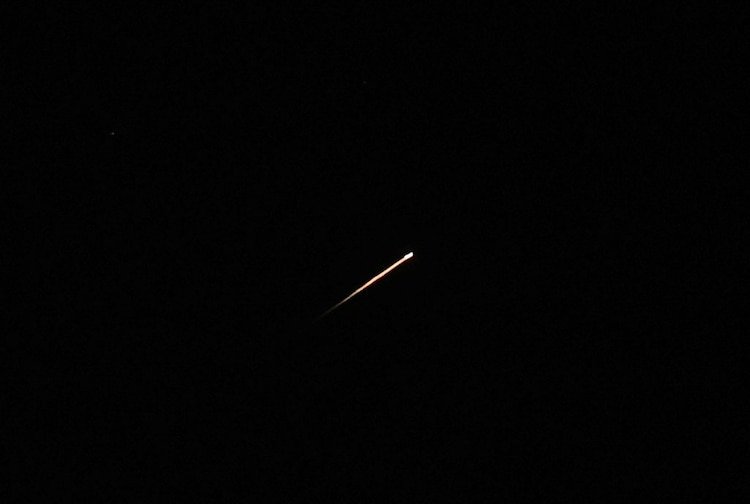
Iran’s missile launch carried importance beyond its immediate military impact.
The strike represented the first direct Iranian attack against Israel since the April ceasefire, signaling that Tehran remains willing to use military force when it believes key interests or allies are under threat.
Such actions serve several strategic purposes:
- Demonstrating military capabilities
- Projecting regional influence
- Supporting allied groups
- Strengthening deterrence
- Influencing diplomatic negotiations
Even when missile attacks are intercepted or cause limited damage, they often carry substantial political and strategic significance.
Why Oil Markets Reacted Immediately
One of the first consequences of the escalation was a sharp rise in oil prices.
Global energy markets closely monitor developments involving Iran because of the country’s strategic location and influence over key energy transportation routes.
Investors worry that expanding conflict could disrupt oil supplies, shipping routes, or regional production facilities.
The Middle East remains one of the world’s most important energy-producing regions, meaning instability often translates into higher energy costs globally.
Even relatively short disruptions can affect fuel prices, transportation costs, manufacturing expenses, and inflation trends worldwide.
The Strait of Hormuz: The World’s Most Critical Energy Chokepoint
A major reason markets react so strongly to Iran-related developments is the Strait of Hormuz.
This narrow waterway serves as one of the most important maritime corridors for global energy exports.
A significant share of the world’s oil and liquefied natural gas shipments pass through the strait every day.
Any conflict that threatens shipping through the area could have consequences far beyond the Middle East.
This is why international governments, financial institutions, and energy companies closely watch developments involving Iran and its surrounding waters.
The Impact on US-Iran Negotiations
The military escalation comes at a delicate moment for diplomacy.
Washington and Tehran have been engaged in discussions aimed at reducing tensions and establishing a framework for future relations.
Several major issues remain under negotiation:
- Iran’s nuclear program
- Sanctions relief
- Frozen Iranian assets
- Regional security arrangements
- Nuclear inspections
- Military de-escalation measures
While leaders continue to express optimism publicly, each military confrontation increases political pressure on negotiators and makes compromise more difficult.
Diplomacy tends to work best when tensions are declining, not when missiles are being exchanged.
How This Crisis Differs From Previous Confrontations
The latest escalation stands out for several reasons.
First, it represents a direct exchange of attacks after a ceasefire that was intended to stabilize the region.
Second, it is occurring while active negotiations are underway rather than during a period of complete diplomatic breakdown.
Third, multiple regional conflicts are now interconnected, meaning developments in Lebanon, Israel, Iran, Syria, and neighboring areas increasingly influence one another.
This interconnected nature raises the risk that localized confrontations could evolve into broader regional crises.
The Human Cost Beyond the Headlines
While international attention often focuses on military strategy and diplomacy, civilians continue to bear much of the burden.
Communities across Israel, Iran, and Lebanon face uncertainty, economic disruption, security concerns, and the psychological stress associated with prolonged conflict.
Air raid warnings, infrastructure disruptions, transportation challenges, and economic instability affect millions of people regardless of whether they are directly involved in military operations.
The longer tensions persist, the greater these humanitarian and economic consequences become.
Three Possible Scenarios Moving Forward
1. Controlled Military Exchanges
Both sides continue limited retaliatory actions while avoiding steps that could trigger a full-scale regional war.
2. Diplomatic Breakthrough
US-led negotiations succeed in containing tensions and create a framework for broader regional stability.
3. Wider Regional Escalation
The conflict expands to involve additional actors, including regional militias and neighboring states.
Most governments currently hope diplomacy can prevent the third scenario from becoming reality.
The Bigger Picture: A Struggle Over Regional Order
The latest missile exchange is about more than retaliation.
At its core, the conflict reflects competing visions for the future balance of power in the Middle East.
Israel seeks security guarantees against threats from Iran and its allies. Iran seeks recognition of its regional influence and strategic interests. The United States aims to prevent nuclear proliferation while avoiding a wider regional war.
These objectives frequently overlap and conflict, making long-term solutions difficult to achieve.
The result is a geopolitical environment where military actions and diplomatic negotiations often occur simultaneously.
Conclusion: A Critical Test for Regional Stability
Israel’s retaliatory strikes inside Iran and Tehran’s missile attack on Israeli territory represent the most serious direct confrontation between the two countries since the April ceasefire. The exchange has raised concerns about a broader conflict while placing additional pressure on ongoing diplomatic efforts.
Although leaders in Washington, Tehran, and Tel Aviv continue to speak about negotiations, military developments are increasingly shaping the environment in which those talks take place.
The coming weeks will be critical. If diplomacy succeeds, the latest escalation could become a temporary setback. If tensions continue to rise, however, the Middle East could face one of its most consequential security crises in years.
For now, the region remains caught between two competing forces: the momentum of military confrontation and the possibility of a negotiated peace.
For breaking news and live news updates, like us on Facebook or follow us on Twitter and Instagram. Read more on Latest World on thefoxdaily.com.





COMMENTS 0