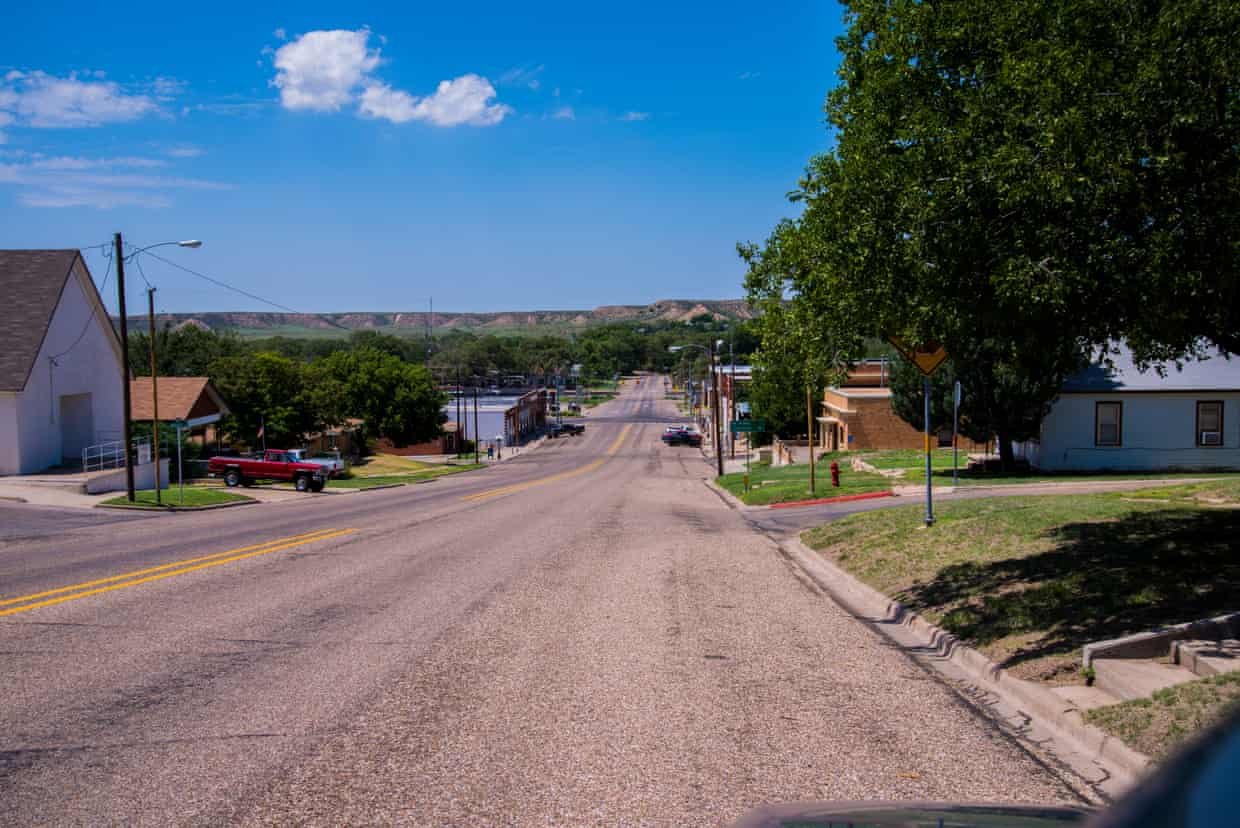
The 5.0-magnitude Texas Earthquake that struck the Panhandle before sunrise has become one of the most significant seismic events recorded in the region in modern history. According to the United States Geological Survey (USGS), the earthquake occurred at approximately 5:21 a.m. local time, with its epicenter located southeast of Spearman, Texas, and roughly 68 miles northeast of Amarillo.
Although authorities reported no injuries or fatalities, the earthquake was widely felt across several states, waking thousands of residents and highlighting the importance of earthquake preparedness even in areas considered relatively low-risk.
What Happened?
The earthquake registered a magnitude of 5.0 and originated at a shallow depth of approximately 3.5 miles (5.7 kilometers). Shallow earthquakes generally produce stronger ground shaking because seismic energy has less distance to travel before reaching the surface.
Residents throughout the Texas Panhandle described being awakened by loud rumbling noises followed by noticeable shaking that lasted several seconds.
| Earthquake Details | Information |
|---|---|
| Magnitude | 5.0 |
| Date | July 23, 2026 |
| Time | Approximately 5:21 a.m. local time |
| Epicenter | About 27.8 miles southeast of Spearman, Texas |
| Nearest Major City | Amarillo (about 68 miles away) |
| Depth | 3.5 miles (5.7 km) |
Where Was the Earthquake Felt?
Although centered in the Texas Panhandle, the earthquake’s effects extended well beyond the immediate area due to its magnitude and shallow depth.
People reported feeling shaking in:
- Spearman
- Amarillo
- Pampa
- Mobeetie
- White Deer
- Western Oklahoma
- Southwestern Kansas
Many residents described being startled awake by vibrations, while others reported objects falling from shelves and temporary loss of balance.
Residents Describe the Shaking
Social media quickly filled with firsthand accounts from people across the region.
Several residents compared the sound to distant thunder before feeling their homes shake. Others reported beds vibrating, pictures falling from walls, and household items shifting during the brief tremor.
Most people estimated the shaking lasted between 15 and 20 seconds, consistent with earthquakes of similar magnitude.
Was There Any Damage?
As of the latest updates, officials have reported:
- No fatalities.
- No reported injuries.
- No widespread structural damage.
- Limited reports of minor household damage.
Emergency officials continue assessing infrastructure, roads, utilities, and public buildings for any delayed signs of damage.
Why This Earthquake Is Significant
According to available seismic records, this is considered the strongest earthquake to affect the Texas Panhandle since 1900.
Although Texas experiences hundreds of small earthquakes annually, most are too weak to be felt by residents. A magnitude 5.0 event is comparatively uncommon and capable of producing noticeable shaking across a broad geographic area.
Why Earthquakes Occur in Texas
Many people associate earthquakes with states such as California or Alaska, but Texas also experiences seismic activity.
Earthquakes in Texas can result from a combination of natural geological processes and, in some areas, human activities such as wastewater injection associated with oil and gas production. However, determining the exact cause of any specific earthquake requires detailed scientific analysis.
Seismologists will likely study this event further to better understand its origin and whether it is connected to existing fault systems in the region.
Understanding a Magnitude 5.0 Earthquake
| Magnitude | Typical Impact |
|---|---|
| 2.0–3.9 | Usually felt by few people; little or no damage. |
| 4.0–4.9 | Noticeable shaking with minor damage possible. |
| 5.0–5.9 | Can cause moderate damage to vulnerable buildings and be felt across a wide area. |
| 6.0+ | Potentially severe structural damage depending on location and construction quality. |
A 5.0-magnitude earthquake is considered moderate but can still cause localized damage, particularly to older or poorly reinforced structures.
Building Safety in the Region
Modern construction standards have helped reduce earthquake-related risks in many parts of the United States. However, some older buildings remain more vulnerable.
Structures built using unreinforced brick masonry or older reinforced masonry techniques are generally more susceptible to earthquake damage than modern engineered buildings designed to withstand ground movement.
Could Aftershocks Follow?
Aftershocks commonly occur after moderate earthquakes as the Earth’s crust adjusts following the main event.
These smaller earthquakes may continue for days or even weeks. Most aftershocks are weaker than the primary earthquake, though they can still be felt by nearby residents.
Emergency officials typically encourage people to remain cautious until seismic activity stabilizes.
What Should Residents Do After an Earthquake?
- Inspect homes for visible structural damage.
- Check gas, electricity, and water connections if damage is suspected.
- Prepare for possible aftershocks.
- Keep emergency supplies accessible.
- Follow updates from local emergency management agencies.
- Avoid entering buildings that appear unsafe.
Why This Earthquake Matters Beyond Texas
The earthquake serves as a reminder that damaging seismic events are not limited to traditionally active regions. As population growth continues across central and southern United States, understanding regional seismic hazards has become increasingly important for infrastructure planning, emergency preparedness, and building resilience.
Scientists will likely analyze this earthquake to improve hazard assessments and better understand the geological forces affecting the southern Great Plains.
Conclusion
The 5.0-magnitude earthquake in the Texas Panhandle stands out as one of the region’s most significant seismic events in more than a century. While the absence of injuries and widespread damage is encouraging, the earthquake underscores the importance of preparedness in areas where strong tremors are relatively rare.
With aftershocks still possible and scientific investigations underway, officials will continue monitoring the situation. The event also provides valuable data for researchers studying seismic activity in Texas and highlights the need for resilient infrastructure capable of withstanding unexpected natural hazards.
For breaking news and live news updates, like us on Facebook or follow us on Twitter and Instagram. Read more on Latest World on thefoxdaily.com.



COMMENTS 0