- What Led to the Cancellation?
- The Bigger Strategy: Pressure Over Dialogue
- Iran’s Position: Resistance and Distrust
- Pakistan’s Mediation Role: Opportunity Interrupted
- The Strait of Hormuz: Where Tensions Become Global
- Comparison: Diplomacy vs Pressure What Works Better?
- A Critical Insight: The Optics of Power
- What Happens Next?
- Real-World Impact: Beyond Politics
- Conclusion: A Strategic Pause or a Missed Opportunity?
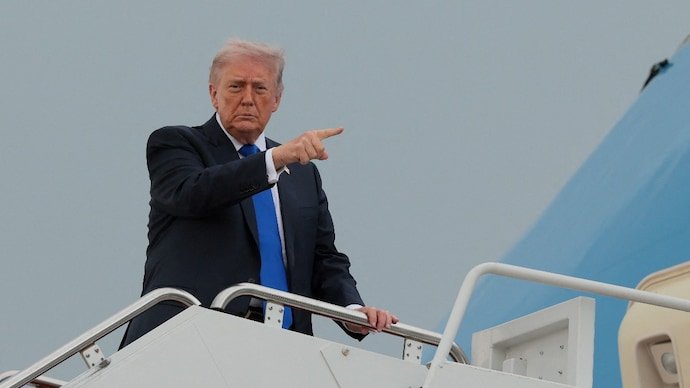
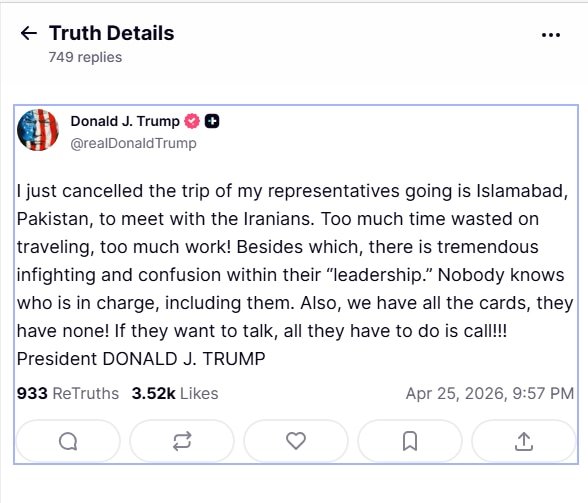
In a sharp and unexpected move, US President Donald Trump has called off a planned diplomatic visit to Pakistan that was meant to facilitate a second round of talks with Iran. The decision, justified publicly as avoiding an “18-hour flight” and unproductive negotiations, carries implications far beyond travel logistics. It signals a recalibration of US strategy away from prolonged Diplomacy and toward a more assertive, pressure-driven approach.
The cancelled trip was not just another diplomatic meeting. It was part of a fragile effort to stabilize tensions between the United States and Iran, with Pakistan acting as a mediator. Now, with talks halted and rhetoric escalating, the geopolitical environment is shifting rapidly and not necessarily toward stability.
What Led to the Cancellation?
The planned visit was intended to continue discussions that began earlier this month, where senior US officials engaged in extended talks with Iranian representatives. While those discussions were notable for their directness and duration, they failed to produce a concrete agreement.
Trump’s reasoning for cancelling the follow-up meeting appears rooted in three key factors:
- Perceived negotiating advantage: The US leadership believes it holds strategic leverage, reducing urgency for further talks.
- Frustration with outcomes: Previous discussions yielded no deal despite significant time investment.
- Doubts about Iranian leadership cohesion: Public comments suggest Washington questions who holds decision-making authority in Tehran.
While these reasons may resonate politically, diplomatically they represent a significant shift from engagement to disengagement.
The Bigger Strategy: Pressure Over Dialogue
This move fits into a broader pattern of US Foreign Policy that emphasizes leverage over negotiation. Instead of pursuing incremental diplomatic progress, the strategy appears to rely on compelling Iran to initiate talks under less favorable conditions.
Such an approach is not new, but its timing is critical. With tensions already high, removing diplomatic channels increases the risk of miscalculation.
Key Elements of the Current US Approach
- Economic pressure: Continued restrictions affecting Iran’s trade and energy exports
- Military deterrence: Strong rules of engagement in strategic waterways
- Diplomatic signaling: Public messaging designed to project dominance
This strategy can be effective in forcing negotiations but it can also harden positions, especially when trust is already low.
Iran’s Position: Resistance and Distrust
Iran’s response has been consistent: it will not accept what it calls “maximalist demands.” This stance reflects deep skepticism toward US intentions, particularly after previous rounds of talks did not lead to lasting agreements.
From Tehran’s perspective, negotiations without guarantees are risky. The leadership has emphasized indirect communication channels and has shown a preference for mediated dialogue rather than direct engagement.
This is where Pakistan’s role becomes crucial and complicated.
Pakistan’s Mediation Role: Opportunity Interrupted
Pakistan has emerged as a key intermediary, facilitating communication between Washington and Tehran. Hosting talks positioned Islamabad as a diplomatic bridge in a highly sensitive conflict.
The cancellation of the US delegation’s visit disrupts this role and raises questions about the future of mediation efforts.
For Pakistan, the situation presents both risks and opportunities:
- Diplomatic relevance: Acting as mediator enhances global standing
- Regional stability concerns: Escalation could affect neighboring regions
- Economic exposure: Instability in energy markets impacts domestic economy
With talks paused, Pakistan’s ability to influence outcomes may temporarily diminish.
The Strait of Hormuz: Where Tensions Become Global
One of the most critical aspects of this situation is its impact on the Strait of Hormuz a narrow but vital waterway through which a significant portion of the world’s energy supply passes.
Recent disruptions and threats to shipping in the region have already raised alarms. Any escalation could have immediate consequences for global markets.
Why This Matters Globally
- Energy prices: Even minor disruptions can trigger sharp increases in oil and gas prices
- Supply chains: Shipping delays affect industries worldwide
- Economic stability: Energy shocks ripple across economies, especially import-dependent countries
For countries like India, which rely heavily on energy imports, the stakes are particularly high.
Comparison: Diplomacy vs Pressure What Works Better?
| Approach | Advantages | Risks |
|---|---|---|
| Diplomatic Engagement | Builds trust, reduces conflict risk | Slow progress, uncertain outcomes |
| Pressure Strategy | Forces urgency, shows strength | Escalation, hardened opposition |
The current shift suggests the US is prioritizing speed and leverage over gradual consensus-building. Whether this leads to a breakthrough or further tension remains uncertain.
A Critical Insight: The Optics of Power
One overlooked dimension of this decision is its symbolic impact. Cancelling a high-profile diplomatic trip sends a message not just to Iran, but to the world.
It signals confidence, but also impatience. Strength, but also rigidity.
In international Politics, perception often shapes reality. A move intended to project dominance can also reduce flexibility, making future negotiations more difficult.
What Happens Next?
With formal talks paused, several scenarios could unfold:
- Backchannel diplomacy: Indirect communication may continue quietly
- Increased tensions: Military or economic actions could escalate
- Renewed talks: Either side may eventually return to the table under new terms
The most likely short-term outcome is a period of uncertainty, with both sides reassessing their positions.
Real-World Impact: Beyond Politics
While the headlines focus on leaders and statements, the real impact is often felt elsewhere:
- Consumers facing rising fuel prices
- Businesses dealing with supply chain disruptions
- Governments adjusting economic policies
In a globalized world, geopolitical decisions rarely stay contained they ripple outward, affecting everyday life.
Conclusion: A Strategic Pause or a Missed Opportunity?
The cancellation of the Pakistan trip may appear, on the surface, as a logistical decision. In reality, it marks a strategic shift with far-reaching consequences.
By stepping away from direct engagement, the US is betting that pressure will yield results faster than dialogue. Iran, however, appears equally determined to resist without concessions.
The result is a delicate standoff one where the absence of talks may prove just as significant as their presence.
Future Outlook: The coming weeks will be critical. If alternative diplomatic channels fail to gain traction, tensions could rise further, particularly in key maritime regions. But if cooler heads prevail, this pause might eventually lead to a more structured and outcome-focused negotiation.
For now, the message is clear: the path to resolution has become more uncertain and the stakes have never been higher.
For breaking news and live news updates, like us on Facebook or follow us on Twitter and Instagram. Read more on Latest World on thefoxdaily.com.





COMMENTS 0