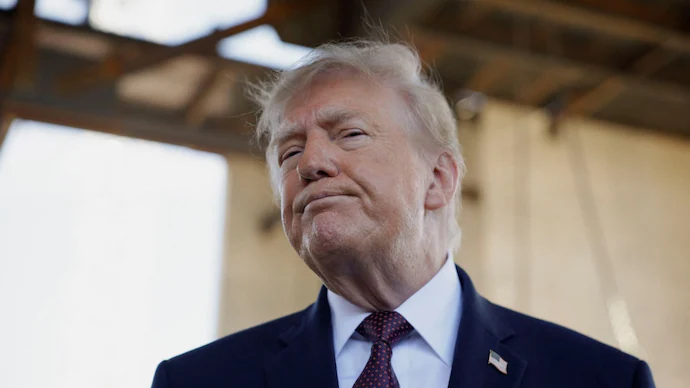
US President Donald Trump has acknowledged that the war with Iran contributed to the Republican Party’s defeat in the November 3 midterm elections, pointing to rising petrol prices and the financial pressure on American households. Despite recognising the political consequences of the conflict, Trump has defended the military campaign, arguing that preventing Iran from acquiring nuclear weapons was important enough to justify the economic and electoral costs.
Speaking to reporters at the White House, Trump said the conflict had pushed gasoline prices higher and acknowledged that this likely affected Republican electoral performance. However, he maintained that he would make the same decision again if faced with a similar situation.
His comments provide an important indication of how the Iran Conflict has become a domestic political issue for the administration. What began as a military and foreign policy confrontation has increasingly affected economic concerns, voter sentiment and the Republican Party’s position in Washington.
The remarks came after Democrats secured control of both the House of Representatives and the Senate in the midterm elections, dealing Republicans a significant setback and giving the opposition greater power to challenge Trump’s administration during the remaining two years of his presidency.
Trump Acknowledges Iran War Contributed to Republican Election Defeat
Trump admitted that the Iran war was a factor behind the Republican Party’s poor performance in the midterm elections, particularly because of its impact on fuel prices.
Speaking at the White House ballroom construction site, where he was discussing renovation work and other projects in Washington, the president said the conflict had driven gasoline prices higher. Although he was not directly addressing the Republican electoral defeat, his comments acknowledged the domestic political consequences of the military campaign.
Trump said, “I think it’s largely true because it drove the gasoline up… At the same time, if I had to do it again, I’d have to do it again because long-term, it’s the only answer. You can’t let Iran have a nuclear weapon.”
The statement reflected the administration’s position that preventing Tehran from acquiring nuclear weapons remained a priority, even if the military campaign created economic difficulties and political costs at home.
His acknowledgement is significant because petrol prices have become a sensitive issue for American voters. Higher fuel costs affect household budgets, commuting expenses and business operations, making them an important part of wider discussions about inflation and the cost of living.
Why the Iran War Became a Political Liability for Republicans
The conflict with Iran has increasingly complicated the Republican Party’s political position as its economic consequences have reached American households.
Military confrontation in the Middle East has disrupted energy supplies and increased concerns about shipping through the Strait of Hormuz, one of the world’s most important routes for international oil transportation.
A significant share of internationally traded crude oil passes through this narrow waterway. Any disruption or threat to shipping can create uncertainty in energy markets, particularly because oil supplies depend on the uninterrupted movement of tankers through the region.
The conflict has intensified concerns about energy availability and contributed to pressure on oil markets. Higher oil prices can translate into increased petrol costs, affecting motorists and businesses across the United States.
For American households already dealing with concerns about inflation and everyday expenses, rising fuel prices have added another financial burden. Motorists face higher costs when filling their vehicles, while businesses that depend on transportation can experience increased operating expenses.
This economic pressure has created a political challenge for Republicans, particularly because Trump had repeatedly promised to prioritise domestic economic concerns under his America First agenda.
The contrast between promises to address household financial pressures and the economic consequences associated with the Iran conflict has given Democrats an issue to raise against the administration.
Rising Petrol Prices Put Pressure on American Households
Fuel prices are particularly important in American domestic politics because changes at petrol stations can have an immediate effect on household spending.
When petrol becomes more expensive, motorists have to spend more to maintain their regular travel routines. Families that depend on private vehicles may have limited flexibility to reduce their fuel consumption, making price increases especially noticeable.
Higher energy costs can also affect businesses that rely on transportation and fuel-intensive operations. Companies may face increased expenses when moving products, delivering services or maintaining their operations.
These costs can place additional pressure on businesses and consumers, potentially contributing to broader concerns about affordability.
For Republicans, the timing of these pressures was politically significant. The midterm elections provided voters with an opportunity to express their views on the administration’s economic and foreign policy decisions.
Trump’s acknowledgement that the Iran war contributed to higher gasoline prices therefore highlighted the connection between international military developments and domestic political consequences.
Trump Defends Military Campaign Despite Political Consequences
Although Trump accepted that the Iran war had contributed to Republican difficulties in the midterms, he rejected the idea that the political consequences should change his decision.
His argument centred on preventing Iran from acquiring nuclear weapons. Trump maintained that the long-term security implications of allowing Tehran to develop such a capability outweighed the immediate economic and political costs associated with the conflict.
His statement that he would repeat the decision indicates that the administration continues to regard the nuclear issue as a central justification for its approach towards Iran.
The position also highlights the tension between foreign policy objectives and domestic political priorities. Military decisions can have consequences beyond the battlefield, affecting energy markets, household expenses and public opinion.
For Trump, the challenge is to defend the strategic reasoning behind the campaign while addressing concerns among voters about its economic impact.
The president’s comments suggest that he is not prepared to abandon his stated objective because of the Republican Party’s electoral setback. Instead, he has presented the military campaign as a necessary decision despite its political consequences.
Democrats Gain Control of the House and Senate
The November 3 midterm elections delivered a major victory for Democrats, who secured control of both chambers of Congress. The result significantly changed the political balance in Washington and weakened the Republican Party’s ability to advance the president’s legislative agenda without opposition.
Democratic control of the House of Representatives and Senate gives the party greater influence over congressional committees, legislative priorities and government oversight.
Lawmakers can use their positions to question administration officials, examine policy decisions and investigate issues that attract public attention. The Iran war and its economic consequences could become subjects of greater congressional scrutiny.
For the Trump administration, the change means that foreign policy decisions may face increased examination from Democratic lawmakers. The opposition could seek explanations about the objectives of the military campaign, its financial implications and its effects on energy markets.
However, congressional control does not automatically transfer executive foreign policy powers to Democrats. Trump remains president and retains substantial authority over diplomatic and military decisions. Congress can nevertheless influence policy through legislation, funding and oversight.
Iran Conflict Creates a Wider Challenge for Trump’s America First Agenda
The economic consequences of the Iran war have also raised questions about the relationship between Trump’s foreign policy and his domestic political promises.
The America First agenda places emphasis on American interests and domestic priorities. For voters concerned about household expenses, rising fuel costs can become an important measure of how government decisions affect everyday life.
Military involvement overseas can create economic consequences at home, particularly when conflicts affect international energy supplies and transportation routes.
In the case of Iran, concerns about the Strait of Hormuz have connected developments in the Middle East with fuel prices in the United States. This has made the conflict relevant not only to national security debates but also to discussions about affordability and economic performance.
Trump’s acknowledgement that the war contributed to Republican losses highlights the political difficulty of maintaining support for a foreign policy campaign when its economic consequences are felt by ordinary households.
The administration must therefore defend its security objectives while responding to domestic concerns about energy prices and the cost of living.
What Trump’s Remarks Mean for the Republican Party
Trump’s comments come at a difficult moment for Republicans following their losses in both chambers of Congress. The election results have raised questions about the party’s political strategy and the consequences of tying its fortunes closely to the president’s policies.
The Iran conflict is likely to remain part of that discussion because it connects foreign policy decisions with economic concerns that voters experience directly.
Republican lawmakers may face pressure to explain their positions on the war, energy prices and the administration’s broader approach to international affairs.
Some may continue to defend the president’s position on preventing Iran from acquiring nuclear weapons, while others could place greater emphasis on the economic consequences and the need to address voters’ concerns.
However, Trump’s insistence that he would repeat the military decision indicates that the president is maintaining his existing position despite the election setback.
Whether this approach creates further divisions within the Republican Party will depend on how lawmakers respond to the political and economic consequences of the conflict.
What Happens Next?
The Iran war’s impact on energy markets and American household expenses will remain important issues for the Trump administration as it faces a Congress controlled by Democrats.
Developments involving the Strait of Hormuz, international oil transportation and regional security could influence energy market sentiment and keep fuel prices at the centre of domestic political discussions.
Congressional Democrats may also increase scrutiny of the administration’s military and foreign policy decisions, particularly where they involve government spending and economic consequences.
For Republicans, the challenge will be to respond to the midterm defeat while maintaining support for the president’s stated national security objectives.
Trump’s remarks make clear that he views preventing Iran from acquiring nuclear weapons as a priority that should not be abandoned because of electoral consequences. At the same time, his acknowledgement about gasoline prices shows that the administration recognises the conflict’s domestic political impact.
Conclusion
Donald Trump has acknowledged that the war with Iran contributed to the Republican Party’s defeat in the November 3 midterm elections, particularly by pushing up gasoline prices and increasing financial pressure on American households.
Despite recognising the political cost, the president has defended the military campaign, insisting that preventing Iran from acquiring nuclear weapons remains important enough to justify the consequences.
The Democratic takeover of both chambers of Congress adds another challenge for the administration, giving opposition lawmakers greater opportunities to scrutinise its foreign policy and economic decisions.
The conflict has therefore become more than a foreign policy issue. Its effects on energy markets, household expenses and congressional politics have placed it at the centre of a wider debate about Trump’s leadership, Republican electoral prospects and the balance between national security priorities and domestic economic concerns.
For breaking news and live news updates, like us on Facebook or follow us on Twitter and Instagram. Read more on Latest World on thefoxdaily.com.




COMMENTS 0