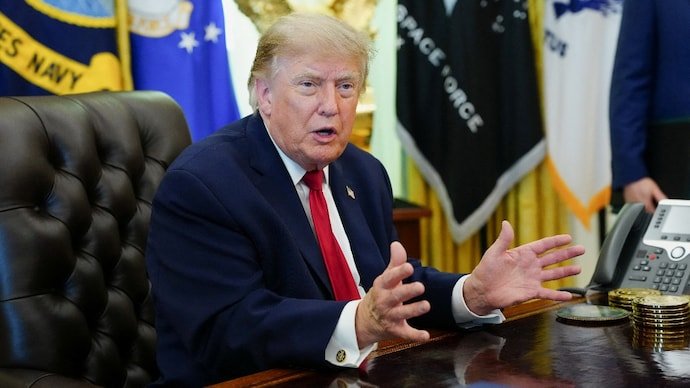
A significant legal battle over Higher Education policy unfolded after a federal judge blocked a Trump administration rule that would have limited access to the Public Service Loan Forgiveness (PSLF) program. The ruling temporarily preserves one of America’s most important student debt relief initiatives, ensuring that eligible public servants remain on track for federal loan forgiveness under existing rules.
The decision goes beyond student loans. It raises broader constitutional questions about presidential authority, congressional intent, free speech protections and whether an administration can redefine eligibility for federal programs based on the activities of employers rather than the work performed by individual borrowers.
With millions of Americans carrying federal student loan debt and thousands entering public service careers every year, the outcome of this case could have lasting implications for education policy, workforce recruitment and future executive actions.
Student Loan Forgiveness Ruling: Key Highlights
| Issue | Latest Development | Why It Matters |
|---|---|---|
| Federal Court Decision | Judge blocked the new Education Department rule | Existing PSLF rules remain in effect |
| Affected Program | Public Service Loan Forgiveness (PSLF) | Supports government and nonprofit employees |
| Administration’s Goal | Narrow eligibility for certain employers | Part of broader policy changes |
| Judge’s Finding | Rule likely exceeded legal authority | Questions executive power |
| Next Step | Further appeals remain possible | Legal battle may continue |
What Is the Public Service Loan Forgiveness (PSLF) Program?
The Public Service Loan Forgiveness Program, established by congress in 2007, is designed to encourage highly educated professionals to pursue careers in public service despite often earning lower salaries than they might receive in the private sector.
Under the program, eligible borrowers may receive forgiveness of their remaining federal student loan balance after:
- Making 120 qualifying monthly payments.
- Working full-time for a qualifying employer.
- Maintaining eligible federal student loans.
- Meeting program certification requirements.
The program covers a wide range of public service careers, including teachers, nurses, military personnel, police officers, firefighters, social workers, public defenders and employees of qualifying nonprofit organizations.
How the Trump Administration Sought to Change PSLF
The disputed regulation sought to make certain nonprofit employers ineligible for participation if the Department of Education determined they had a “substantial illegal purpose.”
According to the administration, the revised policy was intended to prevent taxpayer-funded loan forgiveness from benefiting organizations engaged in activities it considered contrary to national interests or federal law.
The proposal represented one of the most significant changes to PSLF eligibility since the program’s creation.
Why the Rule Faced Legal Challenges
A coalition of Democratic-led states, cities and nonprofit organizations challenged the regulation before it took effect.
The plaintiffs argued that the rule:
- Exceeded authority granted by Congress.
- Created uncertainty for borrowers.
- Allowed political considerations to influence eligibility.
- Threatened constitutionally protected activities.
- Could discourage people from entering public service careers.
The Lawsuit sought to prevent implementation before borrowers became affected.
The Judge’s Reasoning
The Federal Court concluded that Congress established PSLF to encourage public service careers by reducing the long-term financial burden of higher education.
The judge found that the Department of Education had attempted to substantially redefine which employers qualified without clear authorization from Congress.
The ruling also concluded that aspects of the regulation raised constitutional concerns because they could affect organizations based on the viewpoints associated with their activities.
Why Congress Created PSLF
Congress introduced the program to address a practical challenge.
Many public service professions require advanced education but typically offer lower salaries than comparable private-sector careers.
Examples include:
- Public school teachers.
- Government attorneys.
- Public health professionals.
- Emergency responders.
- Military officers.
- Social workers.
Loan forgiveness helps reduce financial barriers that might otherwise discourage qualified graduates from entering these professions.
How the Administration Defended the Policy
Administration officials argued that PSLF should support organizations that advance the public interest and that taxpayers should not subsidize employers engaged in activities the administration believed conflicted with federal priorities.
Officials maintained that the revised rule represented an appropriate interpretation of congressional intent and a responsible use of public resources.
The Education Department has indicated it is reviewing legal options following the court’s decision.
Understanding the Constitutional Questions
The case raises several constitutional issues beyond student loans.
| Legal Question | Why It Matters |
|---|---|
| Congressional Authority | Who determines eligibility for federal programs? |
| Executive Power | How far can agencies reinterpret existing laws? |
| First Amendment | Can government policies affect organizations based on protected activities? |
| Administrative Law | Must agencies remain within statutory authority? |
These issues extend well beyond education policy and could influence future federal regulatory actions.
How Many Borrowers Could Be Affected?
The PSLF program has grown substantially since its introduction.
It now benefits employees working across:
- federal agencies.
- State governments.
- Local governments.
- Public universities.
- Public hospitals.
- Qualified nonprofit organizations.
More than one million borrowers have reportedly received loan forgiveness under the program since its creation, illustrating its importance within the federal student aid system.
Impact on Current Borrowers
For now, eligible borrowers can generally continue pursuing loan forgiveness under existing PSLF requirements.
The court’s order prevents the challenged regulation from taking effect while legal proceedings continue.
Borrowers already making qualifying payments remain subject to current program rules unless future court decisions alter the legal landscape.
Political Debate Surrounding Student Loan Forgiveness
Student loan forgiveness has become one of the most debated education policy issues in recent years.
Supporters argue that programs like PSLF:
- Strengthen public institutions.
- Improve recruitment.
- Reduce educational debt burdens.
- Encourage careers serving the public.
Critics contend that:
- Taxpayers ultimately bear program costs.
- Eligibility standards should remain carefully defined.
- Federal benefits should be subject to appropriate oversight.
The disagreement reflects broader debates over the role of government in financing higher education.
Comparison: Existing PSLF Rules vs. Proposed Changes
| Existing PSLF | Proposed Rule |
|---|---|
| Employer eligibility based on statutory requirements | Additional review of employer activities |
| Congressional framework | Expanded regulatory interpretation |
| Borrower-focused qualification | Greater emphasis on employer conduct |
| Long-established eligibility criteria | New administrative standards |
Expert Insight: Executive Authority and Federal Benefits
The case illustrates a recurring issue in American administrative law: the balance between congressional legislation and executive implementation. Federal agencies possess authority to administer laws passed by Congress, but courts frequently examine whether regulatory changes remain consistent with legislative intent.
When agencies significantly reinterpret longstanding programs, courts often evaluate whether Congress explicitly authorized those changes. The outcome of this litigation may therefore influence not only education policy but also future disputes involving executive agencies across multiple areas of federal Governance.
Potential Long-Term Implications
The decision could influence several areas of Public Policy, including:
- Future student loan regulations.
- Administrative agency authority.
- Federal education policy.
- Public sector workforce recruitment.
- Judicial review of executive actions.
The case may also provide additional guidance regarding how much flexibility federal agencies possess when implementing programs established directly by Congress.
Future Outlook
The legal battle is unlikely to end with this ruling. The Education Department may appeal the decision, meaning higher federal courts could ultimately determine the scope of executive authority over the Public Service Loan Forgiveness program. Until then, existing PSLF rules are expected to remain in effect, providing temporary certainty for borrowers pursuing public service careers.
Regardless of the final outcome, the case highlights the continuing tension between executive policymaking and congressional intent. It also reinforces the growing importance of judicial oversight in resolving disputes involving federal education programs and administrative rulemaking.
Conclusion
The federal court’s decision preserves the existing framework of the Public Service Loan Forgiveness program while raising important constitutional and administrative questions about executive authority. For millions of borrowers working in government and nonprofit sectors, the ruling provides continued access to one of the nation’s most significant student debt relief programs.
As appeals and additional legal proceedings unfold, the case is expected to remain closely watched by educators, public employees, legal experts and policymakers alike. Its eventual resolution could shape the future of federal student loan policy, administrative governance and the relationship between Congress and executive agencies for years to come.
For breaking news and live news updates, like us on Facebook or follow us on Twitter and Instagram. Read more on Latest World on thefoxdaily.com.




COMMENTS 0