Second-hand online marketplace Vinted has removed listings suspected of involving goods stolen during recent unrest in France and increased monitoring of suspicious advertisements as authorities intensify efforts to prevent looted merchandise from being sold online.
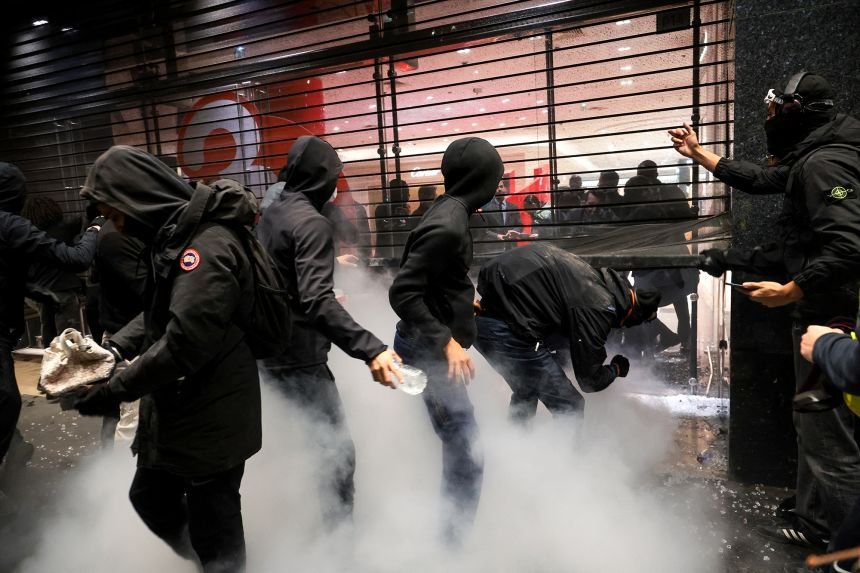
The move follows a weekend of violence in which shops across France were ransacked, leaving retailers facing significant property damage, theft and business disruption. The estimated cost of the damage and stolen goods has reached several hundred million dollars, according to the report.
Vinted said it had taken immediate action to identify and remove listings linked to the looting. The company also confirmed that it had strengthened its monitoring procedures and was cooperating with French authorities and law enforcement agencies to identify potentially illegal activity.
The emergence of suspected stolen merchandise on resale platforms has created an additional challenge for retailers already dealing with damaged stores and disrupted operations. It has also increased pressure on online marketplaces to prevent their services from being used to sell goods obtained through criminal activity.
Vinted Removes Listings Linked to Looting
Vinted said the sale of stolen goods and attempts to solicit their sale are strictly prohibited under its platform rules. The company stated that it maintains a zero-tolerance policy towards such activity and has stepped up monitoring to identify suspicious advertisements.
The marketplace said it had acted to remove listings connected to the reported looting and was working with French authorities to detect emerging risks and malicious behaviour.
Accounts found to have violated the platform’s rules could face permanent bans. This approach is intended to discourage users from attempting to sell stolen merchandise and prevent repeat violations.
Online resale platforms typically allow individuals to list second-hand clothing, accessories and other products for sale. However, when goods are reported stolen, determining whether an advertisement is connected to a crime can require additional checks and information from sellers, buyers, retailers or law enforcement agencies.
Vinted said it relies on several monitoring methods, including reports from retailers and users, to identify potentially suspicious listings. Increased monitoring following the unrest is intended to help the company respond more quickly to emerging concerns.
The company has not indicated that every suspicious listing necessarily represents a confirmed case of stolen merchandise. Identifying and removing potentially illegal advertisements requires platforms to assess available information while working with the relevant authorities.
French Government Steps Up Pressure on Online Marketplaces
The French government has increased scrutiny of online marketplaces following reports that goods stolen during Saturday’s unrest were being offered for sale online.
Serge Papin, France’s minister responsible for small businesses, said on X that authorities had convened a meeting on Monday with online marketplace operators and officials from the interior and justice ministries.
The meeting focused on how platforms could identify and remove advertisements for goods suspected of being stolen during the unrest. Bringing marketplace operators together with government officials also provided an opportunity to discuss cooperation and the detection of potentially criminal activity.
On Tuesday, Papin said the government had obtained commitments from online platforms to identify and remove advertisements for looted merchandise. He added that authorities were monitoring sales themselves and warned that people selling stolen goods would be tracked down and prosecuted.
The government’s response highlights the growing role of digital marketplaces in the resale economy and the challenges law enforcement agencies face when stolen goods are offered through online channels.
While online platforms can help consumers buy and sell second-hand products, the same infrastructure can potentially be misused to move stolen merchandise. Authorities therefore want platforms to respond quickly when credible information suggests that goods offered for sale may have been taken during criminal incidents.
Cooperation between marketplaces, retailers and law enforcement can help investigators identify suspicious transactions and gather information that may assist criminal investigations. The effectiveness of these efforts will depend on how quickly reports are assessed and whether sufficient evidence is available to establish that a product was stolen.
Major Retailers Affected by Weekend Violence
The unrest affected several major retailers in France, including luxury brands Louis Vuitton and Rolex and beauty retailer Sephora, according to Reuters.
The incidents created immediate concerns about employee safety, customer security and the financial consequences of damage to retail premises. For businesses operating prominent stores in city centres, the disruption also affected their ability to serve customers during a period when normal operations were interrupted.
Sephora confirmed that several of its stores in France had been ransacked. The company said employees had faced violence, fear and considerable tension during the unrest.
Catherine Spindler, Sephora’s president for Europe, the Middle East and Africa, explained the company’s response in a statement posted on LinkedIn. The retailer decided to close all its stores at 5 p.m. on Saturday and keep its city-centre locations closed the following day to protect employees and customers.
Spindler emphasised that a company’s strength lies in its employees rather than its physical stores or shop windows. Her statement highlighted the human impact of the violence and the importance of protecting staff during periods of public disorder.
The closures also illustrate how unrest can disrupt retail operations beyond the immediate damage caused to buildings and merchandise. Businesses may need to adjust opening hours, change staffing arrangements and temporarily suspend operations when security risks remain elevated.
Burberry Temporarily Closes Paris Store
British luxury fashion brand Burberry also confirmed that its store on Rue Saint-Honoré in Paris had been temporarily closed while the company assessed the situation.
The temporary closure reflects the precautions retailers may take when public safety conditions are uncertain. Luxury stores can be particularly exposed during incidents involving targeted theft or damage because they often hold high-value merchandise and operate in prominent shopping districts.
For affected businesses, the immediate priorities include ensuring the safety of employees and customers, assessing damage, reviewing security arrangements and determining when stores can reopen.
The appearance of suspected stolen products on resale platforms creates a further complication. Even after a physical store has been secured, retailers may need to monitor online advertisements and provide information to authorities investigating the theft of merchandise.
Luxury brands and other retailers may also face difficulties identifying individual products once they have been removed from their original packaging or offered for sale through different accounts. Reports from retailers and members of the public can therefore play an important role in helping marketplaces identify potentially stolen items.
Why the Resale Market Is Under Greater Scrutiny
Second-hand marketplaces have become an important part of Europe’s retail landscape, allowing consumers to sell unwanted clothing, accessories and other items to new owners. These platforms can support reuse and provide an alternative to buying new products.
However, the volume of listings and the speed at which advertisements can appear and disappear create challenges when products are suspected of being stolen. A listing may be posted by an individual seller and viewed by potential buyers before a platform receives information indicating that the item could be linked to a crime.
Marketplaces must therefore balance the need to keep legitimate transactions operating with the responsibility to respond to reports of illegal activity. Monitoring systems, user complaints, retailer reports and cooperation with law enforcement can all contribute to this process.
In the French case, the government’s engagement with online marketplace operators indicates that authorities want a coordinated response rather than relying solely on individual retailers to identify stolen merchandise.
Rapid removal of suspicious listings can reduce their visibility, but it does not by itself establish who stole the goods or whether a particular seller knowingly offered stolen property. Those questions may require further investigation by law enforcement agencies.
The government’s warning that sellers of stolen goods could be prosecuted also sends a message that online transactions do not place individuals beyond the reach of investigators.
Vinted’s Position in Europe’s Second-Hand Market
Founded in Lithuania in 2008, Vinted has grown into one of Europe’s largest second-hand marketplaces. France, the United Kingdom and Italy are among its biggest markets, according to Reuters.
The company’s reach makes its response significant as French authorities attempt to prevent goods stolen during the unrest from entering the resale market. Its measures also highlight the importance of trust and platform enforcement for businesses that connect large numbers of buyers and sellers.
For marketplaces built around transactions between individuals, maintaining confidence requires more than offering convenient listings and payment processes. Users also need to believe that platforms will respond appropriately when products are reported as stolen or when accounts appear to be involved in prohibited activity.
Vinted’s commitment to increased monitoring and permanent bans for serious rule violations is part of its response to the situation. Its cooperation with French authorities may also help investigators identify patterns of suspicious activity and respond to reports involving looted merchandise.
Nevertheless, the challenge extends beyond a single company. Stolen goods can potentially be advertised across multiple marketplaces, making coordination between platforms, retailers and law enforcement important when investigating suspected criminal activity.
What Happens Next for French Retailers and Online Platforms?
The immediate focus remains on identifying and removing advertisements linked to the weekend’s looting, investigating reported thefts and restoring safe retail operations. Authorities are also seeking to ensure that online marketplaces act quickly when suspicious merchandise is identified.
For retailers, the incident demonstrates that the consequences of looting can continue after damaged stores have been closed or repaired. Businesses may need to monitor online resale activity, provide information about stolen products and work with investigators to support recovery efforts.
For online marketplaces, the episode increases pressure to strengthen listing checks, respond promptly to reports and cooperate with authorities. Platforms will need to distinguish between legitimate second-hand sales and advertisements that may involve stolen goods, using the information available to them and referring potential crimes to the appropriate agencies.
The French government’s warning that people selling stolen merchandise will be tracked down and prosecuted signals that authorities intend to address both the physical theft of goods and attempts to sell them online.
As Vinted and other platforms step up their monitoring, the case highlights a broader issue for the digital resale economy: maintaining an accessible second-hand marketplace while preventing its misuse for criminal activity. The outcome will depend on effective cooperation between technology companies, retailers and law enforcement, as well as timely action when credible reports of stolen merchandise emerge.
For breaking news and live news updates, like us on Facebook or follow us on Twitter and Instagram. Read more on Latest Business on thefoxdaily.com.






COMMENTS 0