India’s efforts to diversify its Natural Gas imports have opened a new possibility involving liquefied natural gas (LNG) supplies from the United States under its long-term agreement with Qatar. Petronet LNG Ltd, India’s largest gas importer, is in discussions with Qatar about sourcing a portion of the contracted LNG from US facilities beginning in 2028.
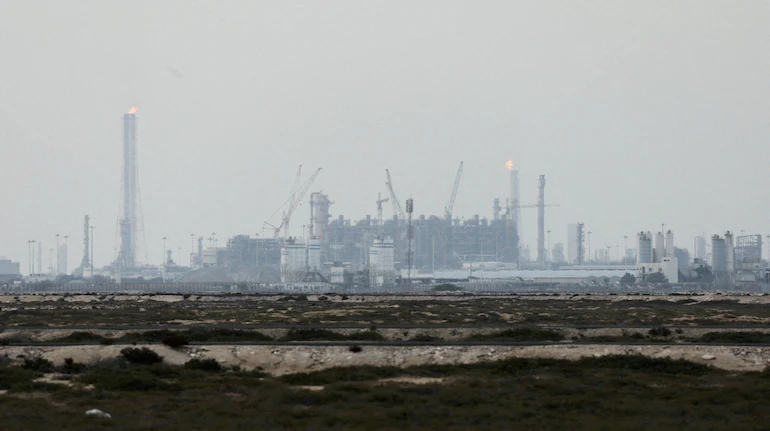
The discussions come as disruptions caused by the Iran war have exposed the risks associated with India’s dependence on energy supplies moving through the Middle East. Qatar, India’s largest LNG supplier, has faced operational challenges following the blockade of the Strait of Hormuz and attacks on its Ras Laffan facilities.
Vivek Mittal, group general manager at Petronet LNG, confirmed the discussions during an analyst call. He said Qatar was willing to consider the Indian company’s request and could potentially provide some contracted volumes from other sources where it has secured supplies.
The proposal could create a new arrangement under which Petronet continues its long-term commercial relationship with Qatar while receiving some LNG sourced from the United States. It also reflects India’s broader effort to reduce supply concentration and strengthen energy security through access to multiple international markets.
Petronet LNG Discusses US Gas Supplies With Qatar
Petronet LNG is negotiating with Qatar over the possibility of including US-sourced LNG in its renewed long-term supply agreement. The discussions concern the contract that will begin in 2028 and continue for another 20 years.
Speaking during an analyst call, Vivek Mittal said Petronet had discussed diversifying supplies under the renewed agreement. The company is seeking to determine whether some of the contracted volumes could come from sources outside Qatar, particularly US LNG facilities.
Mittal said Qatar was willing to consider the request and could offer a certain portion of the contracted volume from other sources where it has already arranged supplies.
The discussions are significant because they could allow India to access American LNG through an existing long-term supply relationship rather than relying entirely on direct purchases from a single exporting country. However, the final arrangement will depend on the outcome of negotiations between Petronet and Qatar.
The proposal also demonstrates how energy companies are reassessing supply arrangements amid geopolitical uncertainty. Long-term contracts provide greater predictability for buyers and sellers, but the ability to source fuel from different locations can become particularly important when disruptions affect major production or transportation routes.
Qatar’s 20-Year LNG Agreement With Petronet
Qatar is currently India’s largest supplier of liquefied natural gas. Under its existing agreement, Qatar is contracted to supply Petronet LNG with 7.5 million metric tons of LNG annually.
The existing contract is scheduled to expire in April 2028. The agreement has been renewed for another 20 years, extending the supply arrangement until 2048. Under the renewed deal, Qatar would supply LNG cargoes on a delivered basis.
The long duration and volume of the agreement make it an important part of India’s natural gas procurement strategy. Regular LNG supplies help meet demand from industries and other consumers that depend on natural gas as an energy source.
However, the recent disruptions to Qatari LNG production and transportation have highlighted the importance of examining alternative sources within existing supply arrangements. Petronet’s discussions aim to explore whether the renewed contract can provide greater geographical diversification without abandoning the long-term relationship with Qatar.
If Qatar agrees to supply part of the contracted volume from US facilities, the arrangement could give Petronet access to a wider supply network. It would also allow Qatar to use LNG volumes secured through its own international agreements to meet part of its contractual commitments.
QatarEnergy Expands Its US LNG Supply Portfolio
Qatar’s willingness to consider India’s request is linked to its growing involvement in the US LNG market. QatarEnergy has signed long-term agreements to purchase LNG from American export facilities, creating additional supply sources that could potentially support international deliveries.
Last month, QatarEnergy signed a 20-year agreement to purchase 3 million metric tons of LNG annually from Woodside’s US facilities. Deliveries under the agreement are expected to begin in 2030.
QatarEnergy has also signed two agreements with Cheniere Energy covering supplies of up to 4 million metric tons annually through 2054. The LNG will come from Cheniere’s Sabine Pass and Corpus Christi facilities in the United States.
These agreements demonstrate QatarEnergy’s strategy of securing LNG supplies from multiple production locations. Although Qatar remains one of the world’s major LNG exporters, access to additional volumes from international facilities can provide greater flexibility in meeting contractual obligations and responding to changes in market conditions.
For Petronet, these arrangements could offer a possible route to diversify the geographical origin of LNG supplied under the renewed Qatar agreement. Instead of depending exclusively on Qatari production, India may be able to receive a portion of its contracted fuel from American facilities.
Iran War and Disruptions to Qatar’s LNG Supplies
The Iran war has created serious challenges for energy shipments from the Middle East. QatarEnergy declared force majeure on LNG supplies in March after the conflict led to the blockade of the Strait of Hormuz and attacks on its Ras Laffan facilities.
The force majeure declaration has significant implications for international buyers that depend on Qatari LNG. It indicates that the company is unable to fulfil certain contractual supply obligations because of circumstances beyond its control.
According to the information provided by Petronet, the force majeure currently runs through December. The disruption has increased uncertainty surrounding the availability of LNG cargoes from Qatar and encouraged Indian companies to examine alternative procurement options.
Ras Laffan is an important part of Qatar’s LNG production infrastructure. Disruptions affecting its facilities can influence the availability of cargoes for international customers, while restrictions around the Strait of Hormuz can complicate the movement of energy shipments.
The situation has highlighted the connection between geopolitical developments and India’s energy security. Even when a country has long-term contracts with major suppliers, conflicts affecting production facilities or shipping routes can create unexpected supply challenges.
India Looks Beyond the Middle East for LNG Supplies
The disruptions to Qatari supplies have prompted India to seek alternative sources of liquefied natural gas. The country has turned to suppliers across several regions, including the United States, Oman, Nigeria, Angola and Australia.
Expanding the number of supply sources can help reduce dependence on individual exporting countries and transportation routes. It can also provide energy companies with additional options when geopolitical developments affect the availability of cargoes from a particular region.
The United States has become an important part of this diversification effort because of its LNG export infrastructure and long-term supply agreements. Access to US-sourced LNG through Qatar’s renewed contract could provide another option for Petronet as it plans procurement beyond 2028.
Oman, Nigeria, Angola and Australia also represent alternative sources that can contribute to India’s broader import strategy. Sourcing LNG from different countries can help companies manage supply risks, although the commercial attractiveness of each option depends on contract terms, transportation costs and market conditions.
India’s approach reflects the importance of maintaining access to reliable energy supplies. As natural gas remains an important part of the country’s energy mix, disruptions in major exporting regions can have consequences for import planning and the industries that depend on LNG.
Petronet Suspends Charter Agreements for Three LNG Tankers
The disruption to Qatari LNG supplies has also affected Petronet’s shipping arrangements. The company has suspended time charter agreements for three LNG tankers because of the force majeure affecting supplies from Qatar.
Time charter agreements allow companies to hire vessels for a specified period to transport cargoes. These arrangements are particularly important for LNG importers because specialised tankers are required to move liquefied natural gas across international shipping routes.
When contracted LNG supplies become unavailable, the need for certain transportation arrangements can change. Petronet’s decision to suspend the three tanker agreements reflects the operational consequences of the disruption to Qatari cargoes.
The development also illustrates how supply interruptions can affect more than the purchase of fuel itself. Importers must manage shipping capacity, delivery schedules and other logistical arrangements alongside their long-term procurement contracts.
As Petronet explores alternative supplies, its shipping requirements may also depend on where replacement cargoes originate and how they are transported to India.
What US-Sourced LNG Could Mean for India’s Energy Security
The possibility of receiving US-sourced LNG under the renewed Qatar agreement could provide India with another layer of supply diversification. It would allow Petronet to maintain a long-term relationship with Qatar while potentially accessing gas produced in a different geographical market.
Such an arrangement could be useful during periods when production or shipping disruptions affect supplies from the Middle East. A broader sourcing network may give importers greater flexibility in managing their procurement requirements and reducing exposure to disruptions affecting a single region.
However, geographical diversification does not automatically eliminate supply risks. LNG availability can still be affected by production constraints, transportation costs, shipping conditions and changes in global demand. The commercial terms of any arrangement involving US-sourced volumes would therefore remain important.
The proposed arrangement also depends on Qatar’s ability to allocate supplies secured through its international agreements. QatarEnergy’s contracts with Woodside and Cheniere provide potential sources, but the precise volumes that could be offered to Petronet have not been specified.
For India, the discussions represent an opportunity to examine how existing long-term contracts can be adapted to changing energy-market conditions. Rather than relying exclusively on new direct purchasing arrangements, companies may be able to use suppliers’ wider international portfolios to secure additional flexibility.
What Happens Next in Petronet’s Qatar LNG Negotiations?
Petronet’s discussions with Qatar will determine whether US-sourced LNG can be included in the renewed supply agreement beginning in 2028. Qatar has indicated that it is willing to consider the request and may offer some volumes from other sources where it has secured supplies.
The next important details will involve the portion of contracted LNG that could come from the United States, the availability of those volumes and the commercial arrangements governing their delivery. No specific allocation of US-sourced LNG to Petronet has been confirmed in the information provided.
The timing of the proposal is also important. The renewed agreement is scheduled to run until 2048, making the sourcing arrangements relevant to India’s long-term energy planning. Meanwhile, the current force majeure on Qatari supplies, which runs through December for now, continues to underline the importance of alternative procurement options.
Qatar’s international LNG agreements with US producers could create opportunities for a more diversified supply structure. Whether those opportunities translate into actual deliveries to India will depend on the negotiations and the availability of contracted volumes.
For Petronet LNG, the discussions represent an effort to balance the security offered by long-term contracts with the flexibility needed to respond to geopolitical disruptions. For India, access to LNG from the United States and other international suppliers could become an increasingly important part of managing energy supply risks.
For breaking news and live news updates, like us on Facebook or follow us on Twitter and Instagram. Read more on Latest India on thefoxdaily.com.






COMMENTS 0