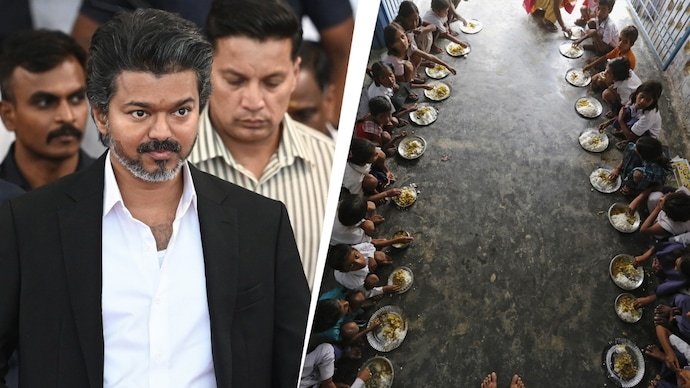
The Tamil Nadu Mid-Day Meal Scheme could soon witness one of its biggest menu upgrades in decades. School Education Minister Rajmohan has proposed serving chicken biryani once every week to students enrolled in government schools, and the proposal is currently under examination by Chief Minister C. Joseph Vijay.
While no final decision has been announced, the proposal has generated widespread discussion because Tamil Nadu has historically led India‘s school nutrition initiatives. If approved, the addition of chicken biryani would represent not merely a menu change but a broader effort to improve nutrition, encourage school attendance, and enhance the overall learning environment for millions of children.
The proposal also comes alongside plans to modernize the state’s breakfast programme by replacing repetitive menu items with more nutritious and appealing alternatives, reflecting Tamil Nadu’s continuing focus on child welfare and educational outcomes.
Why Is Tamil Nadu Considering Chicken Biryani in Schools?
According to School Education Minister Rajmohan, every major political era in Tamil Nadu has contributed to strengthening the state’s school meal programme. His proposal aims to continue that legacy by introducing a protein-rich meal that many children would enjoy while helping improve their nutritional intake.
The proposal is based on two key objectives:
- Enhancing the nutritional quality of school meals.
- Making government school meals more attractive and diverse.
Nutrition experts have long emphasized that balanced diets containing adequate protein, carbohydrates, vitamins, and minerals play an essential role in children’s physical growth, brain development, concentration, and academic performance.
Current Status of the Proposal
The proposal is still under consideration by Chief Minister C. Joseph Vijay, and no official approval has been announced.
If cleared, education and nutrition departments would likely prepare detailed implementation guidelines covering procurement, Food safety, cooking standards, nutritional requirements, budgeting, and Supply Chain management before introducing the revised menu.
Until an official government notification is issued, the proposal remains under review.
Evolution of Tamil Nadu’s Mid-Day Meal Scheme
Tamil Nadu is widely recognized as the pioneer of school meal programmes in India. Over several decades, successive governments have expanded both the scale and nutritional value of meals provided to students.
| Period | Major Development |
|---|---|
| 1950s | K. Kamarajar introduced the Mid-Day Meal Scheme to encourage school enrollment. |
| M. Karunanidhi Government | Eggs were added to improve children’s protein intake. |
| M.G. Ramachandran (MGR) | The programme evolved into the Nutritious Meal Scheme with greater nutritional focus. |
| J. Jayalalithaa Government | Egg distribution was expanded throughout the week. |
| 2022 | Chief Minister’s Breakfast Scheme launched for primary school children. |
| 2026 Proposal | Weekly chicken biryani under consideration. |
This gradual evolution illustrates how the programme has consistently adapted to changing nutritional needs while remaining one of Tamil Nadu’s flagship welfare initiatives.
How the Mid-Day Meal Scheme Benefits Students
The Mid-Day Meal Scheme has long served purposes beyond simply providing food. Numerous studies have shown that well-designed school meal programmes can contribute to improved educational and Health outcomes.
- Higher school enrollment.
- Better classroom attendance.
- Reduced dropout rates.
- Improved concentration during lessons.
- Better nutritional status among children.
- Support for economically disadvantaged families.
For many students, particularly those from low-income households, school meals provide an important portion of their daily nutritional intake.
Why Protein Matters in School Nutrition
One of the strongest arguments supporting the proposal is the importance of dietary protein for growing children.
Protein contributes to:
- Muscle growth and tissue repair.
- Healthy immune function.
- Brain development.
- Production of enzymes and hormones.
- Overall physical development.
Tamil Nadu’s existing meal programme already includes eggs on scheduled days, which provide high-quality protein. The proposed addition of chicken biryani could offer another protein-rich option if nutritional standards are maintained.
More Than Just Chicken Biryani: Breakfast Menu Revamp Planned
Minister Rajmohan also announced plans to improve the state’s school breakfast programme.
Currently, approximately Rs 15 per student is allocated for breakfast. Officials are exploring ways to replace frequently repeated menu items such as wheat upma and rava upma with more nutritious and appealing alternatives.
The objective is to provide greater menu diversity while maintaining nutritional balance and ensuring that children receive meals they are more likely to consume completely.
How Tamil Nadu’s School Meal Programme Compares
Across India, states implement the centrally supported school meal programme while customizing menus according to local food habits and nutritional priorities.
| Feature | Tamil Nadu | Many Other States |
|---|---|---|
| Breakfast Programme | Available in government primary schools | Limited or unavailable |
| Egg Distribution | Regular inclusion | Varies by state |
| Menu Diversity | Relatively high | Often standardized |
| Chicken Meal Proposal | Under consideration | Rare |
This comparison highlights Tamil Nadu’s longstanding emphasis on improving both nutrition and meal quality within government schools.
Potential Challenges if the Proposal Is Approved
Introducing a new menu item across thousands of schools would require careful planning.
- Maintaining food safety standards.
- Reliable procurement of fresh ingredients.
- Cold-chain and storage management where necessary.
- Additional budget allocations.
- Training kitchen staff.
- Maintaining consistent quality across districts.
- Ensuring timely delivery to schools.
Large-scale public food programmes depend heavily on efficient logistics and quality control to ensure every student receives safe and nutritious meals.
Economic and Social Impact
If implemented successfully, the proposal could generate benefits beyond education.
Higher demand for poultry and food ingredients may support local farmers, poultry producers, self-help groups, and food suppliers involved in the school meal supply chain. Expanded procurement could also create additional employment opportunities in food preparation, transportation, and distribution.
At the same time, better nutrition among schoolchildren may contribute to improved educational outcomes and long-term human capital development.
Why School Nutrition Continues to Be a Policy Priority
School meal programmes remain one of the most effective social welfare interventions because they address multiple public policy goals simultaneously.
- Reducing classroom hunger.
- Improving nutritional intake.
- Encouraging regular attendance.
- Supporting children’s physical and cognitive development.
- Reducing financial pressure on low-income families.
- Promoting educational equity.
For this reason, governments across India continue investing in improving both the quality and accessibility of school nutrition programmes.
What Happens Next?
The Tamil Nadu government is expected to evaluate the proposal’s financial implications, nutritional benefits, implementation feasibility, and operational requirements before taking a final decision.
If approved, detailed operational guidelines would likely follow, including menu standards, procurement policies, cooking protocols, and district-level implementation plans.
Education officials may also conduct consultations with nutrition experts and administrative departments to ensure the programme aligns with established food safety and child nutrition standards.
Looking Ahead
The proposal to introduce weekly chicken biryani in Tamil Nadu’s Mid-Day Meal Scheme represents more than a change in the school lunch menu. It reflects the state’s continued effort to strengthen one of India’s most successful school nutrition programmes through better food quality, improved dietary diversity, and enhanced student welfare.
Whether the proposal ultimately receives approval will depend on administrative, financial, and logistical considerations. However, the discussion itself highlights an important policy objective: ensuring that school meals continue evolving to meet children’s nutritional needs while supporting better educational outcomes.
As Tamil Nadu reviews the proposal, policymakers across India will likely watch closely, as any major innovation in the state’s school meal programme has historically influenced broader conversations on child nutrition, Public health, and education policy.
For breaking news and live news updates, like us on Facebook or follow us on Twitter and Instagram. Read more on Latest India on thefoxdaily.com.



COMMENTS 0