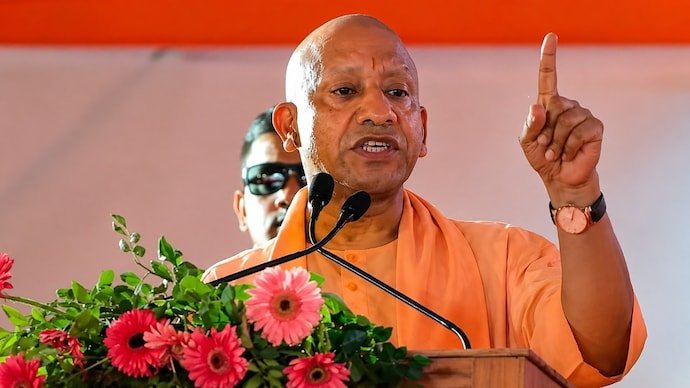
Uttar Pradesh Chief Minister Yogi Adityanath has announced cashless medical cards for 3.54 lakh cooks working under the state’s mid-day meal programme, putting the Health and welfare of workers WHO prepare meals for schoolchildren at the centre of a new government initiative.
The announcement was made on Sunday, with Adityanath describing the cooks as an important part of the PM Poshan programme and emphasising the contribution they make to the health and Education of children in government schools.
The initiative is being presented not simply as an additional welfare measure, but as recognition of the people who work behind the scenes to ensure that cooked meals reach eligible schoolchildren each day. The planned distribution of cashless medical cards is intended to provide Healthcare support to these workers while reinforcing the government’s focus on their safety and dignity.
Adityanath also highlighted the role of women working in school kitchens, referring to them as “cook mothers and sisters” and praising their work and care for children.
What has Yogi Adityanath announced for mid-day meal cooks?
The Uttar Pradesh government plans to provide cashless medical cards to 3.54 lakh mid-day meal cooks working under the state’s school meal programme.
According to the Chief Minister, the distribution will be inaugurated alongside an event to honour the workers. The announcement connects two aspects of the government’s approach: recognising the cooks’ contribution to schoolchildren and providing them with greater healthcare support.
The announcement does not change the fundamental purpose of the PM Poshan programme. Instead, it adds a welfare dimension focused on the people responsible for preparing and serving the meals at the school level.
For the cooks themselves, the practical significance will depend on how the cashless medical-card system is implemented, including which healthcare services are covered and how easily beneficiaries can access treatment. Those operational details will determine the day-to-day value of the initiative.
Why mid-day meal cooks are important to PM Poshan
The school meal programme depends on much more than Food supplies and government funding. It also requires people at individual schools to prepare, handle and serve meals safely and efficiently.
Cooks are therefore a crucial part of implementation at the ground level.
Every school kitchen has its own practical requirements. Workers have to prepare meals, maintain basic kitchen routines and ensure that food is ready for children during school hours. Their work directly affects whether the programme operates as intended.
Adityanath’s remarks emphasised this connection by saying that cooking in school kitchens goes beyond simply preparing food. In his framing, the activity contributes to children’s health, education and future.
That perspective is important because school meals serve a purpose beyond addressing hunger. A reliable meal programme can support children’s ability to remain attentive during school hours and can make the school Environment more supportive for families who depend on government services.
Women make up an important part of the cooking workforce
The Chief Minister specifically praised women working as cooks under the PM Poshan programme.
He described them as the “foundational strength” of the programme and referred to their work as a form of service carried out with dedication and maternal affection.
The language reflects the social role often associated with school kitchen workers, particularly women who prepare meals for children in their communities.
But the new medical-card initiative also shifts attention from the service these workers provide to the support they themselves receive.
That distinction matters. Workers responsible for delivering a public welfare programme also have their own healthcare and financial needs. Providing access to cashless medical treatment can potentially reduce the burden of paying for healthcare directly, depending on the scope of the coverage available through the cards.
The government’s emphasis on health, safety and dignity therefore places the cooks themselves at the centre of the announcement rather than treating them only as workers supporting a larger programme.
What cashless healthcare means for beneficiaries
A cashless medical card generally aims to allow eligible beneficiaries to access covered healthcare services without having to pay the full treatment cost upfront, subject to the rules and limits of the relevant scheme.
For mid-day meal cooks, the usefulness of such a card will depend on the actual healthcare network and coverage associated with the programme.
Several practical questions will determine how effective the benefit is:
- Which medical treatments and services are covered?
- Which hospitals or healthcare facilities will accept the cards?
- Will beneficiaries be able to use the cards across Uttar Pradesh?
- What procedures will cooks follow when seeking treatment?
- Are there eligibility rules or coverage limits that beneficiaries need to understand?
The announcement establishes the government’s intention to extend cashless healthcare support, but the full impact will become clearer as implementation details are made available.
The welfare message behind the announcement
Adityanath presented the initiative as part of a wider commitment to the welfare of mid-day meal cooks.
He described the workers as “karmayogis”, highlighting their dedication and their contribution to children. He also linked the healthcare initiative to the broader objective of providing cooks with more secure and dignified lives.
This framing is significant because the announcement combines recognition with a tangible benefit.
Honouring workers can acknowledge their contribution publicly, but healthcare support addresses a more direct need. For workers who may face medical expenses, access to cashless treatment can be a meaningful component of welfare if the scheme is sufficiently comprehensive and accessible.
The initiative therefore represents an attempt to move from symbolic recognition of school cooks toward a specific form of social protection.
How PM Poshan works at the school level
The PM Poshan scheme, formerly associated with the mid-day meal programme, provides cooked meals to eligible children in government and government-aided schools across India.
The programme operates through a large network of schools and local workers. While national and state governments are responsible for policy and implementation frameworks, the actual delivery of meals happens at the school and community level.
That makes cooks an essential link in the system.
They are involved in preparing meals for children and ensuring that food is ready to be served during the school day. Without this frontline workforce, the programme could not function as a practical school-based meal service.
Adityanath’s announcement recognises that implementation depends on these workers, not only on administrative decisions made at the state or national level.
Why worker welfare can affect programme delivery
There is a practical connection between the welfare of frontline workers and the reliability of public programmes.
When workers have access to basic support, they may be better positioned to carry out demanding responsibilities. Healthcare access can be particularly relevant because illness can affect a worker’s ability to continue working and can create financial pressure for their families.
For a programme operating across thousands of schools, the wellbeing of individual workers can therefore have an indirect effect on implementation.
The medical-card initiative does not by itself resolve every challenge associated with school meal delivery. Food quality, kitchen infrastructure, hygiene, supplies, staffing and monitoring are all separate issues. But healthcare support addresses one part of the wider welfare framework surrounding the people who deliver the programme.
The focus on health, safety and dignity
The three themes highlighted by the Chief Minister health, safety and dignity are closely connected.
Health support provides workers with access to medical care. Safety is particularly relevant to people working in kitchens, where cooking involves heat, utensils and other workplace hazards. Dignity relates to how workers are treated and recognised as contributors to an important public programme.
The announcement brings all three into the government’s description of the initiative.
It also changes the emphasis of the conversation around mid-day meal cooks. Instead of focusing solely on the service they provide to children, the government is drawing attention to the workers’ own welfare.
What the initiative could mean for 3.54 lakh cooks
The scale of the announcement is significant because the benefit is intended for 3.54 lakh cooks across Uttar Pradesh.
A healthcare initiative covering such a large workforce has the potential to provide support to a substantial number of families. The actual impact, however, will depend on how easily beneficiaries can use the medical cards and how comprehensive the coverage is.
Accessibility will be particularly important in rural areas, where healthcare facilities may be less readily available. A cashless card has greater practical value when beneficiaries can use it at accessible hospitals and healthcare centres without complicated procedures.
For that reason, implementation will be just as important as the announcement itself.
How the announcement fits the BJP government’s welfare messaging
Adityanath linked the initiative to the welfare agenda of the BJP-led “double-engine government”, referring to the alignment between the governments at the Centre and in Uttar Pradesh.
The phrase is frequently used by the BJP to describe cooperation between its governments at different levels and to highlight the implementation of welfare and development programmes.
In this case, the political messaging is tied to a specific beneficiary group: cooks who support a central school meal programme through their work in Uttar Pradesh.
The focus on frontline workers also allows the government to present welfare as something that extends beyond the ultimate recipients of a public scheme. The children receive meals, while the workers responsible for preparing those meals are being offered a separate form of support.
Why the announcement matters beyond the medical cards
The immediate benefit is healthcare support, but the wider significance lies in recognising the role of frontline workers in public welfare programmes.
Large government schemes ultimately depend on people working at the local level. Their responsibilities can receive less public attention than the policies themselves, even though implementation determines whether the intended beneficiaries actually receive services.
By publicly recognising mid-day meal cooks and extending a welfare measure to them, the Uttar Pradesh government is highlighting that relationship.
The initiative also places women’s contribution in school kitchens in the spotlight. Adityanath’s remarks specifically acknowledged women workers and described their role as foundational to PM Poshan.
What to watch during implementation
The next important stage will be the rollout of the cashless medical cards.
The effectiveness of the programme will depend on practical implementation rather than the announcement alone. Beneficiaries will need clear information about eligibility, hospitals, covered treatments and the process for using their cards.
The state government’s ability to ensure that the cards work smoothly will determine whether the initiative becomes a meaningful healthcare benefit for cooks across Uttar Pradesh.
Monitoring will also matter. A welfare programme covering 3.54 lakh workers requires effective administration so that eligible cooks can access the promised support without unnecessary barriers.
A new welfare focus for the people behind school meals
Yogi Adityanath’s announcement puts the welfare of Uttar Pradesh’s mid-day meal cooks alongside the wider objectives of the PM Poshan programme.
The 3.54 lakh cooks receiving cashless medical cards are part of the workforce that keeps school kitchens operating and meals reaching children. The government is now seeking to support those workers through healthcare access while publicly recognising their contribution.
The initiative’s long-term value will ultimately depend on its implementation and the quality of coverage provided through the medical cards. If beneficiaries can access appropriate treatment conveniently and without major financial barriers, the programme could provide meaningful support to a large frontline workforce.
For now, the announcement represents a clear shift in emphasis: the people who help deliver a major school welfare programme are themselves being included in a broader welfare effort focused on health, safety and dignity.
For breaking news and live news updates, like us on Facebook or follow us on Twitter and Instagram. Read more on Latest India on thefoxdaily.com.




COMMENTS 0