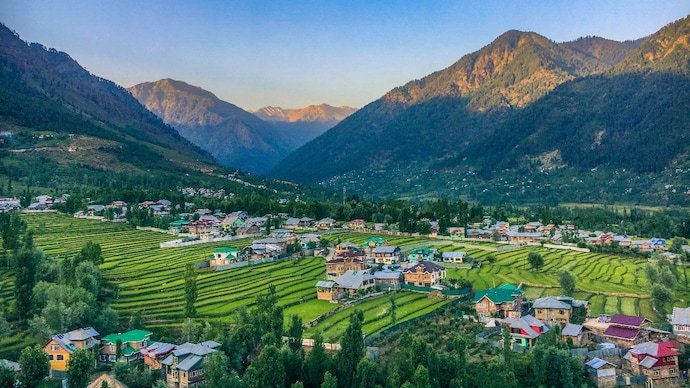
When most young travellers plan a trip, they think of beaches, hill stations, or bustling cities. But recently, Prime Minister Narendra Modi has urged India’s youth to look beyond the usual and explore the country’s border villages—often called “first villages”, as they are the first settlements on India’s edges.
This push is part of the Viksit Vibrant Village Programme, which aims to develop remote border areas while promoting tourism and cultural awareness. The idea is simple yet powerful: Travel to the edges of India, experience life there, and contribute to local economies.
So who should consider this? Young travellers, culture enthusiasts, and adventure seekers. What’s in it for them? Unique landscapes, untouched traditions, and meaningful travel experiences. Where are these villages? Scattered across India’s northern and northeastern borders. Why visit? Because these places offer something mainstream tourism often cannot—authenticity, resilience, and perspective.
Why Border Tourism Is the Next Big Travel Trend
Border villages are no longer just strategic locations—they’re emerging as cultural and experiential tourism hotspots.
Key Reasons Behind the Shift
- Government support: Infrastructure upgrades under the Vibrant Village Programme
- Untouched beauty: Less crowded, more pristine landscapes
- Cultural richness: Unique traditions shaped by geography and history
- Purposeful travel: Tourism that directly benefits local communities
This trend reflects a broader shift toward responsible and immersive travel.
7 Border Villages Worth Visiting in India
1. Turtuk, Ladakh
Nestled near the India-Pakistan border, Turtuk is one of the northernmost villages in India. Opened to tourists only in 2010, it offers a rare blend of Balti culture, apricot orchards, and stunning views of the Karakoram range.
- Best for: Culture + mountain landscapes
- Highlight: Unique Indo-Baltistan heritage
2. Chitkul, Himachal Pradesh
Known as the last inhabited village on the Indo-Tibetan border, Chitkul sits in the scenic Sangla Valley. With wooden houses and the Baspa River flowing alongside, it feels like a postcard come to life.
- Best for: Peaceful retreats
- Highlight: “Last dhaba of India” experience
3. Mana, Uttarakhand
Located near Badrinath, Mana is often referred to as India’s last village (though now rebranded as the “first village”). It’s steeped in mythology, believed to be linked to the Mahabharata.
- Best for: Spiritual + historical exploration
- Highlight: Vyas Gufa and Saraswati River
4. Kibithu, Arunachal Pradesh
At India’s easternmost edge, Kibithu is where the first sunrise in the country can be seen. Surrounded by lush greenery and mountains, it’s a hidden gem for explorers.
- Best for: Sunrise views + offbeat travel
- Highlight: India’s first sunrise point
5. Dharchula Region Villages, Uttarakhand
Bordering Nepal, villages in the Dharchula region offer a mix of Himalayan beauty and cross-border cultural influences.
- Best for: Cultural diversity
- Highlight: Indo-Nepal cultural blend
6. Kaho, Arunachal Pradesh
Often cited as India’s easternmost inhabited village, Kaho lies close to the China border. It remains largely untouched by mainstream tourism.
- Best for: Raw, unexplored experiences
- Highlight: Remote Himalayan charm
7. Harsil, Uttarakhand
Though not directly on the border line, Harsil is a strategic Himalayan village close to the Indo-China border. Known for apple orchards and serene landscapes, it’s perfect for slow travel.
- Best for: Nature + relaxation
- Highlight: Scenic valleys and quiet atmosphere
Comparison: Border Villages vs Popular Tourist Destinations
| Aspect | Border Villages | Mainstream Destinations |
|---|---|---|
| Crowds | Minimal | High |
| Authenticity | Very high | Moderate |
| Infrastructure | Developing | Well-established |
| Experience | Immersive | Commercial |
Deep Insight: Why Visiting Border Villages Matters
This initiative is not just about tourism—it’s about nation-building.
1. Strengthening Local Economies
Tourism brings income, creates jobs, and encourages infrastructure development in remote areas.
2. Cultural Preservation
Increased visibility helps preserve traditions that might otherwise fade away.
3. Strategic Awareness
Visiting border regions fosters a deeper understanding of India’s geography and security landscape.
4. Responsible Travel Movement
It aligns with the global shift toward meaningful, impact-driven tourism.
Travel Tips for Visiting Border Villages
- Check permits: Many border areas require Inner Line Permits
- Travel responsibly: Respect local customs and environment
- Plan connectivity: Limited internet and mobile networks
- Pack essentials: Medical kits, warm clothing, and cash
Future Outlook: Will Border Tourism Go Mainstream?
With increasing government focus and growing interest among young travellers, border tourism is poised to expand significantly.
- Improved roads and connectivity
- Rise of eco-tourism initiatives
- Growth of homestay culture
- Increased digital storytelling through social media
However, maintaining a balance between development and preservation will be crucial.
Conclusion: Travel to the Edges, Discover the Core
PM Modi’s call to explore India’s border villages is more than a travel suggestion—it’s an invitation to see the country from a new perspective.
These “first villages” are not just geographical endpoints; they are cultural gateways that reveal India’s diversity, resilience, and beauty.
For Gen Z and young travellers seeking meaningful journeys, the message is clear: the most unforgettable experiences may lie at the very edges of the map.
For breaking news and live news updates, like us on Facebook or follow us on Twitter and Instagram. Read more on Latest Lifestyle on thefoxdaily.com.






COMMENTS 0