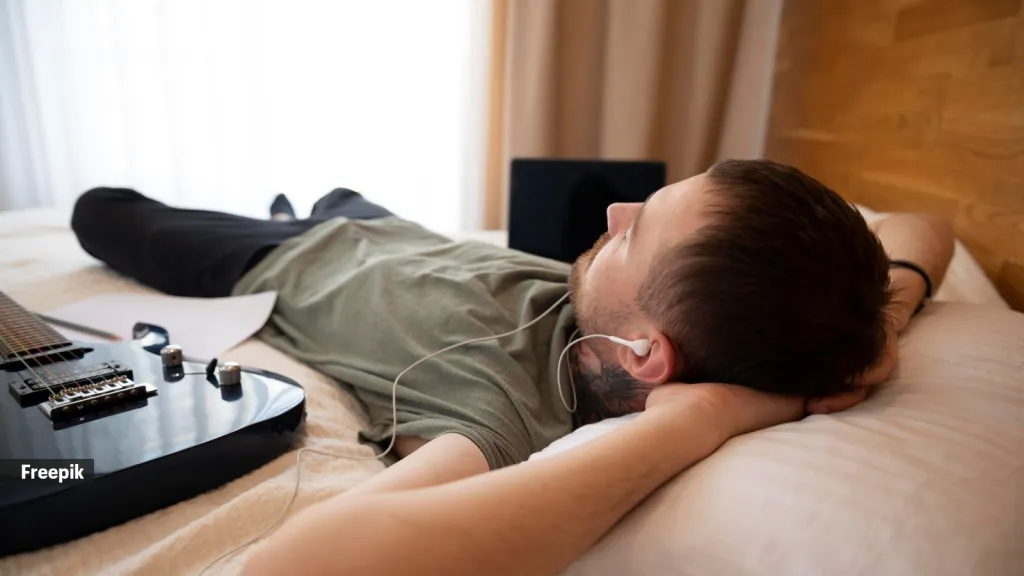
For millions of people, getting a good night’s sleep can be difficult because of snoring partners, traffic noise, loud neighbors, or city sounds. Earplugs have become a popular solution for creating a quieter sleep environment, but many people wonder whether it is safe to wear them every night.
According to ear, nose and throat (ENT) specialists, sleeping with earplugs is generally safe for most healthy adults when they are used correctly, kept clean, and replaced regularly. However, improper use or poor hygiene can increase the risk of earwax buildup, ear infections, irritation, and even temporary hearing problems.
Understanding both the benefits and the potential risks can help you decide whether nightly earplug use is right for you while protecting your long-term ear health.
Is It Safe to Sleep With Earplugs Every Night?
For most people with healthy ears, the answer is yes. Earplugs can effectively reduce environmental noise, improve sleep quality, and minimize repeated nighttime awakenings.
However, safety depends on several factors, including the type of earplug, how often it is cleaned or replaced, proper insertion technique, and whether you have any existing ear conditions.
People who repeatedly experience ear infections, chronic ear discharge, severe earwax blockage, or recent ear surgery should consult an ENT specialist before using earplugs regularly.
Benefits of Sleeping With Earplugs
Reducing unwanted noise allows the brain to remain in deeper stages of sleep for longer periods, helping improve overall sleep quality.
- Blocks disruptive environmental noise.
- Improves sleep continuity.
- May reduce nighttime awakenings.
- Helpful for shift workers sleeping during the day.
- Can improve concentration and mood by promoting better rest.
- May help reduce stress caused by persistent noise pollution.
How Earplugs Work
Earplugs do not eliminate sound completely. Instead, they reduce the intensity of external noise by creating a seal within the ear canal. Different materials and designs provide varying levels of sound reduction, allowing users to choose options based on comfort and their sleeping environment.
| Type of Earplug | Best For | Typical Use |
|---|---|---|
| Foam Earplugs | General noise reduction | Usually disposable |
| Silicone Earplugs | Comfortable fit and moderate noise | Reusable with proper cleaning |
| Wax Earplugs | Custom seal for sleeping | Single or limited use |
| Custom-Molded Earplugs | Frequent users | Long-term reusable option |
Can Earplugs Cause Earwax Buildup?
One of the most common concerns associated with frequent earplug use is earwax accumulation.
Normally, earwax gradually moves out of the ear canal on its own. Wearing earplugs for extended periods may slow this natural process by pushing wax deeper into the canal or preventing it from exiting normally.
Over time, excessive wax buildup may lead to:
- Blocked ears.
- Reduced hearing.
- A feeling of fullness in the ear.
- Ringing in the ears.
- Occasional dizziness.
People who naturally produce large amounts of earwax should have their ears checked periodically instead of attempting to remove impacted wax themselves.
Can Sleeping With Earplugs Cause Ear Infections?
Yes, although the overall risk is low when earplugs are used properly.
Reusable earplugs that are not cleaned regularly can collect bacteria, fungi, sweat, and skin debris. Introducing contaminated earplugs into the ear canal repeatedly may increase the risk of outer ear infections.
Moisture trapped inside the ear can also create an environment where microorganisms grow more easily.
Signs of an Ear Infection
- Ear pain.
- Persistent itching.
- Swelling of the ear canal.
- Fluid or pus discharge.
- Temporary hearing reduction.
- Pain when touching the outer ear.
If these symptoms develop, discontinue earplug use and seek medical evaluation promptly.
Who Should Avoid Sleeping With Earplugs?
Although earplugs are safe for many people, some individuals should avoid regular use or consult an ENT specialist first.
- People with active ear infections.
- Individuals with frequent earwax impaction.
- Those with chronic ear discharge.
- Patients recovering from ear surgery.
- People with perforated eardrums unless advised by a doctor.
- Individuals experiencing unexplained ear pain.
How to Use Earplugs Safely
Proper insertion is essential for both comfort and effectiveness.
- Wash your hands before handling earplugs.
- Insert them gently without forcing them deep into the ear canal.
- Follow the manufacturer’s instructions.
- Remove them carefully each morning.
- Discard disposable earplugs after use.
- Clean reusable earplugs according to the manufacturer’s recommendations.
Cleaning Reusable Earplugs
Keeping reusable earplugs clean significantly reduces the risk of irritation and infection.
Most silicone reusable earplugs can be washed with mild soap and warm water, thoroughly rinsed, and allowed to air dry completely before reuse.
Avoid using alcohol, harsh chemicals, or boiling water unless specifically recommended by the manufacturer, as these may damage the material.
How Often Should Earplugs Be Replaced?
| Earplug Type | Replacement Recommendation |
|---|---|
| Disposable foam | After one or a few uses, depending on manufacturer guidance |
| Reusable silicone | Replace when damaged, discolored, or difficult to clean |
| Wax earplugs | Replace after recommended usage period |
| Custom earplugs | Replace when worn out or no longer fit properly |
Can Earplugs Affect Hearing?
Properly used earplugs do not cause permanent hearing loss.
However, impacted earwax resulting from prolonged use may temporarily reduce hearing until the blockage is removed. Inserting earplugs too deeply or aggressively may also injure the ear canal, emphasizing the importance of gentle handling.
Choosing the Right Earplugs for Sleeping
Comfort is one of the most important factors because uncomfortable earplugs may disrupt sleep more than external noise.
Look for earplugs that:
- Fit securely without causing pressure.
- Provide adequate noise reduction.
- Are made from soft, skin-friendly materials.
- Match your intended frequency of use.
- Are easy to clean or replace.
Other Ways to Reduce Nighttime Noise
Earplugs are only one option for improving sleep quality. Depending on the source of the disturbance, additional strategies may help.
- Use white noise machines.
- Install soundproof curtains.
- Improve bedroom insulation.
- Use a fan to mask background sounds.
- Address snoring with appropriate medical evaluation if necessary.
- Maintain a consistent sleep schedule.
When to See an ENT Specialist
You should seek medical advice if you experience repeated ear infections, persistent ear pain, hearing loss, excessive earwax buildup, ringing in the ears, or dizziness after using earplugs.
An ENT specialist can examine your ears, remove impacted wax safely if needed, and recommend whether continued earplug use is appropriate.
The Bottom Line
Sleeping with earplugs every night is generally considered safe for most healthy adults when they are used correctly and maintained properly. Good hygiene, regular replacement, proper insertion, and awareness of warning signs are essential to minimize risks.
If you have existing ear problems or develop symptoms such as pain, discharge, or hearing changes, stop using earplugs until you have been evaluated by a healthcare professional. By combining safe earplug practices with good sleep hygiene, most people can enjoy quieter nights without compromising ear health.
Key Takeaway: Earplugs can be an effective way to improve sleep by reducing unwanted noise, but they should be kept clean, replaced regularly, and used correctly. Regular users should watch for signs of earwax buildup or infection and seek medical advice if persistent ear symptoms develop.
For breaking news and live news updates, like us on Facebook or follow us on Twitter and Instagram. Read more on Latest Lifestyle on thefoxdaily.com.





COMMENTS 0