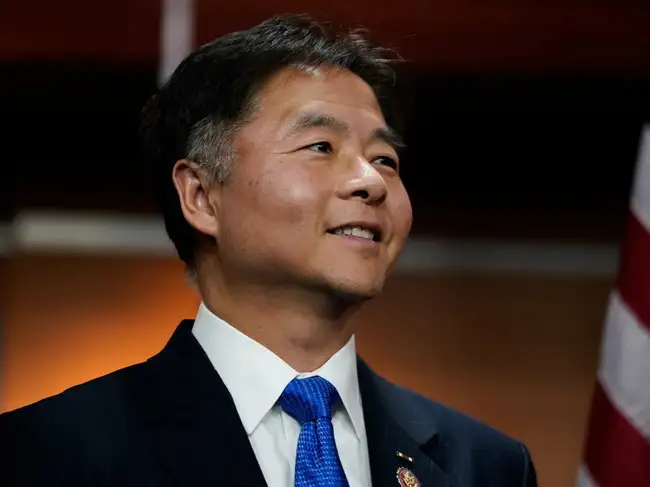
Democratic leaders have vowed to introduce legislation aimed at ending the United States’ involvement in the war with Iran after the party’s sweeping victories in the November 2026 midterm elections. With Democrats set to control both the House of Representatives and the Senate, the party plans to use its strengthened position in Congress to challenge President Donald Trump‘s military operations, scrutinise his administration and push back against tariffs that have contributed to higher consumer prices.
The election results have transformed the political landscape in Washington. Republicans previously controlled both chambers during the first two years of Trump’s second presidential term. Democrats will now have greater authority over congressional committees, government spending debates, legislative priorities and investigations into the administration.
Senate Democratic leader Chuck Schumer and House Democratic leader Hakeem Jeffries have made ending the Iran War one of their central priorities. However, their ability to translate that promise into policy will depend on congressional procedures, Republican support and Trump’s presidential veto power.
Democrats Promise Legislation to End the Iran War
Senate Democratic leader Chuck Schumer said on November 4 that his party would work to end the conflict with Iran, pointing to Congress’s constitutional authority over federal spending as a way to constrain the president’s military decisions.
“We are going to end the war,” Schumer said.
He argued that Congress could use its power over government funding to challenge military operations that had not received the consent of the American people. Schumer also indicated that some Republicans had already expressed support for ending the conflict.
House Democratic leader Hakeem Jeffries similarly called for the war to end before the new Congress formally begins its work in January 2027. He criticised Trump’s military campaign and linked the conflict to rising fuel and fertiliser costs, arguing that the economic consequences were affecting American households.
The Democratic position reflects a central issue in the midterm campaign: opposition to the Iran war and frustration over the higher cost of living. Party leaders believe that voters have given them a mandate to challenge the administration’s approach and pursue policies focused on reducing everyday expenses.
Democrats have also discussed introducing further war powers resolutions to restrict the president’s ability to continue military operations without congressional approval.
Why the Iran War Became a Major Issue in the Midterm Elections
The conflict with Iran became an important political issue as military operations continued and disruptions to energy markets contributed to higher fuel prices in the United States.
The Strait of Hormuz, a strategically important shipping route between Iran and Oman, became a particular source of concern. A significant share of international oil and gas shipments passes through the waterway, making any disruption potentially damaging to global energy supplies.
Higher fuel prices have a wider economic impact because transportation, manufacturing, agriculture and distribution depend heavily on energy. Rising fuel and fertiliser costs can eventually affect the prices of groceries and other consumer goods.
Democrats used these economic pressures to criticise Trump’s decision to pursue military action against Iran. Jeffries described the conflict as a costly war of choice and argued that its consequences were being felt by ordinary Americans.
According to Associated Press voter polling cited after the election, frustration over high prices, the Iran war and concerns about government corruption were among the major factors influencing voters.
Trump has acknowledged that the conflict contributed to Republican losses, particularly because of its effect on gasoline prices. However, he has continued to defend the military campaign, arguing that preventing Iran from obtaining a nuclear weapon remains a national security priority.
Democrats Will Use Congress’s Power Over Government Spending
One of the strongest tools available to the incoming Democratic majority is Congress’s authority over federal spending. The Constitution gives Congress control over appropriations, meaning the president cannot independently create unlimited funding for military operations.
Democratic lawmakers could attempt to restrict or condition funding for the Iran war through legislation. They could also use government funding negotiations to pressure the administration to change its military strategy or pursue a diplomatic agreement with Tehran.
Schumer has specifically highlighted this power as a means of influencing Trump’s decisions. His argument is that Congress should use its spending authority to prevent the continuation of a military campaign that lawmakers believe lacks sufficient public and legislative support.
However, using the power of the purse would not be politically straightforward. Military funding is closely connected to the salaries, equipment, operations and safety of American service members. Lawmakers seeking to restrict funding would have to address concerns about the consequences for US forces and national security.
The administration could also resist attempts to attach conditions to military spending, potentially creating a prolonged confrontation between the White House and Congress.
Can Democrats Legally Force Trump to End the Iran War?
Despite gaining control of both chambers, Democrats cannot automatically order the president to stop military operations. The president remains commander-in-chief of the US armed forces and retains significant authority over military decisions.
Congress, however, has constitutional powers involving declarations of war, military funding and oversight. These powers provide lawmakers with several ways to challenge an administration’s decision to continue a conflict.
Democrats could pursue a new War Powers resolution directing the president to terminate unauthorised hostilities. They could also attempt to restrict military spending or introduce legislation requiring congressional approval for further operations.
The War Powers Resolution of 1973 was designed to limit the circumstances in which a president can keep American forces involved in hostilities without congressional authorisation. It establishes reporting requirements and generally provides a 60-day period for military operations, subject to a possible additional 30-day withdrawal period, unless Congress authorises continued involvement or another statutory exception applies.
However, disputes over the law’s interpretation and enforcement have repeatedly complicated efforts to constrain presidential military action. A congressional resolution alone may not immediately stop operations if the president refuses to comply or challenges the measure.
Democrats would therefore need to combine legislative action with control over funding and sustained political pressure to make their demands effective.
Trump’s Presidential Veto Could Block Democratic Legislation
One of the biggest obstacles facing Democrats is Trump’s ability to veto legislation passed by Congress.
Even if Democrats secure enough votes to pass a bill in both chambers, the president can reject it. Congress would then need a two-thirds majority in the House and Senate to override the veto.
The Democratic election victory has given the party control of both chambers, but it has not provided a veto-proof majority. That means legislation directly challenging Trump’s military policy could face a significant obstacle if the president refuses to sign it.
This limitation makes bipartisan support particularly important. Democrats would need some Republican lawmakers to join them if they wanted to overcome a presidential veto or build sufficient support for major restrictions.
Trump has already indicated that he is prepared to use his veto authority against Democratic proposals. He has also warned that the change in congressional control could lead to political gridlock during the final two years of his presidency.
The incoming Democratic majority will therefore have more power to challenge the administration, but it will not have unrestricted authority to replace Trump’s policies.
Democrats Also Target Trump’s Tariffs Over Rising Consumer Prices
The Iran war is not the only major policy issue Democrats plan to address after their midterm victories. The party has also promised to challenge Trump’s tariffs, arguing that the trade measures have increased costs for American businesses and consumers.
Tariffs are taxes imposed on imported goods. Although they are generally collected from importers, businesses may pass some of the additional costs to customers through higher prices.
Companies that depend on imported raw materials, machinery, components and finished products can face increased operating expenses when tariffs rise. Those costs can affect supply chains and eventually influence prices across several sectors of the economy.
Democrats have argued that Trump’s changing tariff policies have created uncertainty for businesses while adding to the financial pressure on households.
Party leaders are expected to pursue legislative efforts to reverse or limit selected tariffs. Senator Chuck Schumer has previously supported proposals targeting tariffs imposed on Canadian goods and the legal authorities used to introduce certain trade measures.
However, reversing tariffs could prove more difficult than passing legislation to express opposition to them. Presidents have access to several statutory authorities that allow them to impose trade restrictions, and congressional efforts to change those policies may face legal and political obstacles.
Why Reversing Trump’s Tariffs Could Be Difficult
Unlike some areas of domestic legislation, US trade policy gives the executive branch considerable authority to impose tariffs under laws passed by Congress.
Different trade statutes provide the president with powers to respond to national security concerns, unfair trade practices and other economic conditions. This means that even if Democrats pass a bill targeting a particular tariff programme, the administration may seek alternative legal routes to maintain trade restrictions.
Democrats could use committee hearings, legislation and investigations to examine how tariffs are being applied and their effects on businesses and consumers. They could also challenge specific legal authorities or seek to establish greater congressional oversight of trade decisions.
However, a complete reversal of Trump’s tariff programme would require more than political opposition. Lawmakers would need to navigate the existing trade laws, obtain sufficient support in both chambers and overcome the possibility of a presidential veto.
The party may therefore focus initially on targeted proposals and public scrutiny rather than expecting to dismantle the entire tariff system immediately.
Democrats Plan a Broader Affordability Agenda
The Democratic election victory was closely associated with the party’s emphasis on affordability. During the campaign, candidates highlighted the rising costs of groceries, fuel, housing and healthcare as major concerns for American households.
Jeffries said Democrats had campaigned on affordability and won on that message. He indicated that the incoming majority would make reducing everyday expenses a central priority.
The party has discussed a broader legislative agenda covering several areas:
- Fuel and energy: Addressing policies contributing to higher gasoline and energy costs, including the economic consequences of the Iran conflict.
- Groceries and household goods: Examining policies that affect the prices of essential consumer products.
- Healthcare: Seeking to restore Affordable Care Act tax credits and address changes to Medicaid.
- Housing: Making housing affordability a central part of the party’s economic agenda.
- Trade: Challenging tariffs that Democrats argue are increasing costs for businesses and consumers.
Democratic leaders have also discussed organising early legislative votes during the first 100 hours of the new Congress. The proposals are intended to demonstrate that the party is prepared to act quickly after taking control of the House and Senate.
However, the outcome of these initiatives will depend on negotiations with Republicans and the president’s response to legislation passed by Congress.
Democrats Prepare Investigations Into Trump’s Administration
Control of Congress will also give Democrats greater authority to scrutinise the Trump administration through congressional committees.
When the new Congress begins in January, Democrats will gain control of important committee leadership positions, allowing them to organise hearings, request government records and investigate the administration’s policies.
Potential areas of scrutiny include the Iran war, military spending, trade policy, the administration’s economic decisions and the way federal agencies have implemented presidential directives.
Congressional investigations can bring government officials before lawmakers to answer questions and provide documents. Although such investigations do not automatically change government policy, they can increase political pressure and expose disagreements within the administration.
Democrats have also indicated that oversight of Trump, his family and senior administration officials will be part of their broader agenda.
The shift could significantly change the political environment in Washington. During the first two years of Trump’s second term, Republican majorities in both chambers generally provided the administration with greater legislative support. A Democratic-controlled Congress is likely to take a more confrontational approach.
When Will Democrats Take Control of Congress?
Although Democrats won control of both chambers in the November 3 midterm elections, the new Congress will not begin its regular legislative work immediately.
The incoming lawmakers are scheduled to take office when the 120th Congress convenes in January 2027. Until then, Republicans will continue to hold their existing majorities during the remaining period of the current Congress.
This transition means Democrats cannot immediately implement their full legislative agenda. They can, however, use the period before January to prepare bills, coordinate their priorities and build support for measures they intend to introduce once the new Congress begins.
The transition period is also important because the administration will continue making military, economic and diplomatic decisions before Democrats formally assume control of congressional committees and legislative proceedings.
What the Democratic Victory Means for Trump’s Remaining Two Years
The change in congressional control represents a major political challenge for Trump. With Democrats controlling both chambers, the president will face greater resistance to his legislative proposals and more intensive scrutiny of his administration.
Democrats can block or delay legislation they oppose, hold investigations and use budget negotiations to seek changes to government policy. Their position also gives them a stronger platform to challenge Trump’s decisions ahead of the 2028 presidential election.
However, Trump will remain president and retain executive authority over several areas of government. He can continue using powers available under existing laws, including certain military and trade authorities, even when Congress disagrees with his decisions.
The possibility of vetoes also means that the two sides may struggle to reach agreements on major legislative issues. This could produce prolonged disputes over military funding, tariffs, healthcare and government spending.
For Democrats, the challenge will be turning their election victory into tangible policy changes. For Trump, it will be maintaining his agenda while facing a Congress increasingly willing to challenge his administration.
Conclusion: Democrats Face a Difficult Fight to End the Iran War
Democrats have made ending the Iran war one of their central priorities after winning control of both chambers of Congress in the November 2026 midterm elections. Chuck Schumer and Hakeem Jeffries have argued that the conflict must end, pointing to its economic consequences and the need for Congress to exercise its authority over military spending.
The party also plans to challenge Trump’s tariffs, address rising consumer prices and investigate decisions made by the administration. Its wider agenda focuses on affordability, healthcare, housing and government accountability.
However, the Democratic victory does not automatically give the party the power to end the war or reverse the president’s trade policies. Trump retains his veto authority, and Democrats do not have the two-thirds majority required to override it. The president also retains significant authority over military and trade decisions under existing laws.
The coming months will therefore test how effectively Democrats can use congressional control to influence the administration. Their ability to secure bipartisan support, shape government spending and maintain political pressure will determine whether their promises translate into meaningful changes.
The midterm results have given Democrats a stronger position in Washington, but the battle over the Iran war and Trump’s economic policies is only beginning.
For breaking news and live news updates, like us on Facebook or follow us on Twitter and Instagram. Read more on Latest World on thefoxdaily.com.






COMMENTS 0