- Context: Why Orbán’s Hungary Was a Problem for Ukraine
- Why Ukrainians See This as “A Defeat for Putin”
- Magyar’s Approach: Pragmatic, Not Emotional
- Key Challenge: Ukraine’s EU Membership Debate
- The Minority Issue: A Persistent Source of Friction
- Real-World Impact: What Changes on the Ground?
- Unique Insight: The End of “Strategic Disruption Politics”?
- Comparison: Orbán Era vs Magyar Era
- Prediction: A Slow but Meaningful Reset
- Conclusion: Hope Meets Reality in a Changing Europe
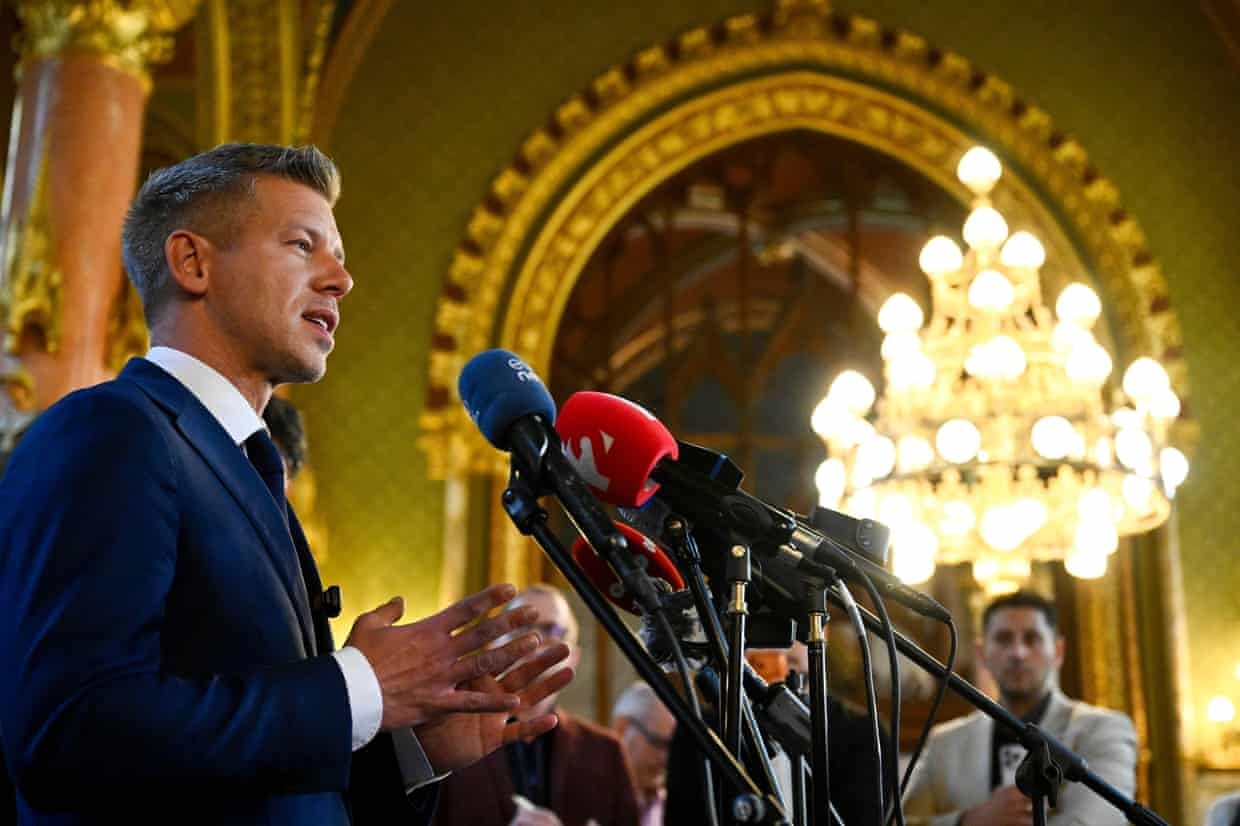
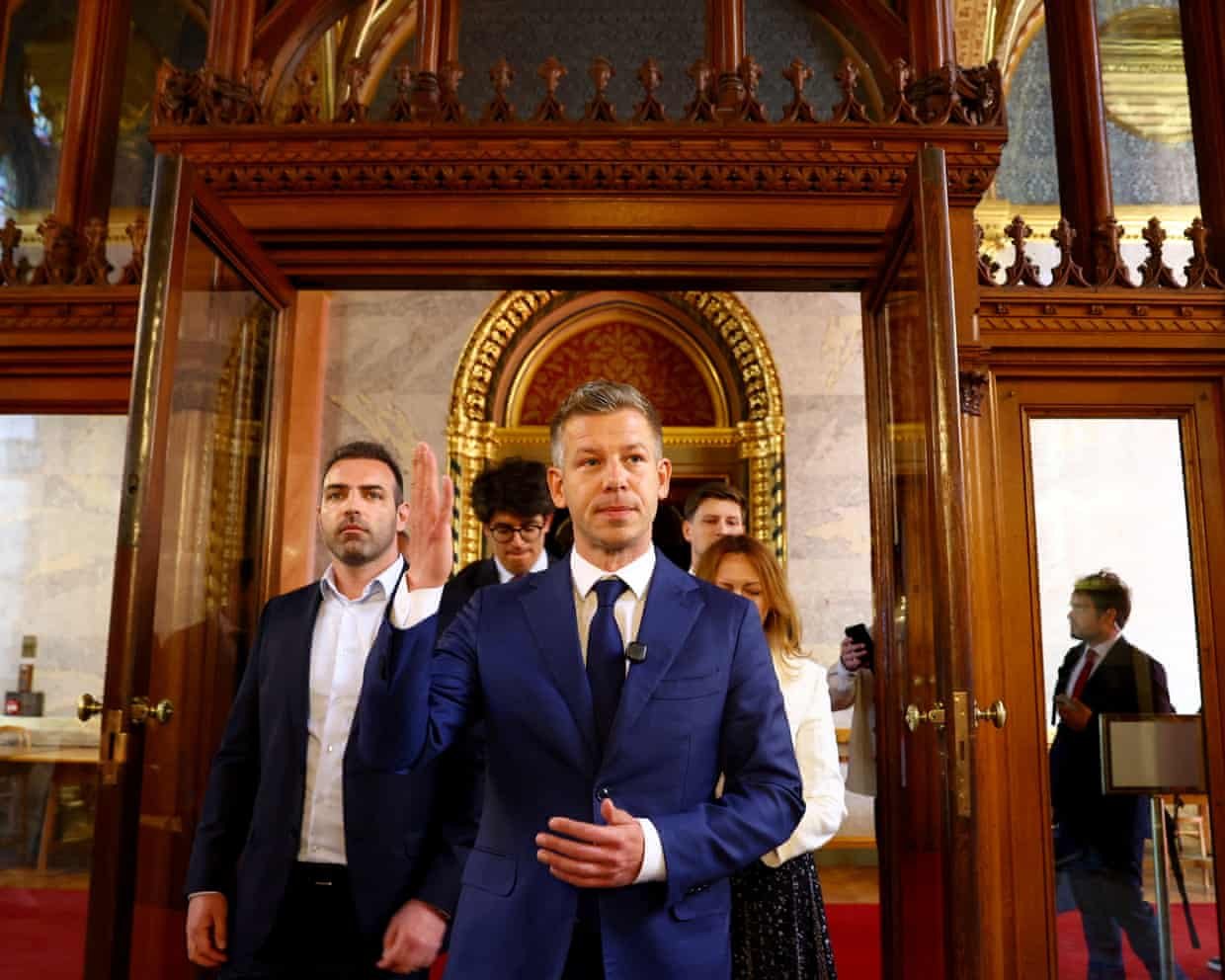
The political landscape of Central Europe has shifted dramatically following the electoral victory of Péter Magyar in Hungary, ending Viktor Orbán’s 16-year rule. The reaction in Ukraine has been immediate and emotional, blending celebration with cautious realism. Who? Hungary’s new leader Péter Magyar and Ukraine’s political leadership. What? A major electoral upset reshaping regional alliances. When? Following Hungary’s recent national election. Where? Hungary, with ripple effects across Europe. Why? Orbán’s long-standing pro-Russia stance and tensions with Ukraine. How? Through democratic transition and shifting geopolitical priorities.
For many Ukrainians, the election result represents more than just a leadership change it signals a potential recalibration of Europe’s internal balance at a time of ongoing war and geopolitical uncertainty.
Context: Why Orbán’s Hungary Was a Problem for Ukraine
Under Viktor Orbán, Hungary became one of the most controversial players within the European Union. While most EU countries aligned strongly in support of Ukraine, Budapest often took a divergent path, resisting Sanctions against Russia and blocking financial and military aid packages.
This created friction not only with Brussels but also with Kyiv. Orbán’s government frequently accused Ukraine of hostile actions, while Ukrainian officials viewed Hungary as undermining collective European efforts.
Key Points of Tension Between Hungary and Ukraine
- EU Aid Blockades: Hungary repeatedly delayed or vetoed financial assistance to Ukraine
- Sanctions Disputes: Budapest resisted stricter measures against Russia
- Political Messaging: Anti-Ukrainian rhetoric during Hungarian elections
- Energy Conflicts: Disagreements over pipelines and supply disruptions
These issues contributed to a steady deterioration in relations, transforming what should have been a cooperative regional partnership into a strained and often hostile relationship.
Why Ukrainians See This as “A Defeat for Putin”
Ukrainian officials and analysts have framed Orbán’s defeat as a broader geopolitical loss for Russia. The reasoning is straightforward: Hungary under Orbán often acted as a disruptive force within the EU, weakening unified support for Ukraine.
With a new leadership in place, Kyiv sees an opportunity to rebuild alignment within Europe.
The idea of a potential “anti-Ukrainian bloc” within the EU one that could have included multiple Central European countries now appears far less likely. This shift strengthens the EU’s collective stance and reduces internal divisions.
Geopolitical Impact of the Election
| Aspect | Under Orbán | Under Magyar |
|---|---|---|
| EU Unity | Fragmented | Potentially stronger |
| Support for Ukraine | Obstructed | Likely to improve |
| Russia Relations | Relatively close | More balanced |
| Diplomatic Tone | Confrontational | Constructive |
This shift could significantly alter the internal dynamics of the EU, especially in decisions requiring unanimous approval.
Magyar’s Approach: Pragmatic, Not Emotional
Despite the optimism, experts caution against viewing Péter Magyar as overtly pro-Ukraine. His political stance is better described as pragmatic and nationally focused.
Magyar has acknowledged Ukraine as a victim of aggression and has shown symbolic support, including visits and humanitarian gestures. However, his primary focus remains Hungary’s national interests.
This distinction is crucial. While relations may improve, they are unlikely to transform overnight into a close alliance.
What Magyar Likely Supports
- Constructive EU Engagement
- Reduced Political Tensions with Ukraine
- Balanced Foreign Policy Approach
What Remains Uncertain
- Speed of Ukraine’s EU Membership
- Handling of Ethnic Hungarian Minority Issues
- Energy Cooperation Policies
This balanced stance reflects a broader trend in European politics leaders seeking to align with collective interests while safeguarding domestic priorities.
Key Challenge: Ukraine’s EU Membership Debate
One of the most sensitive issues between Hungary and Ukraine is Kyiv’s ambition to join the European Union. While Magyar has indicated openness to Ukraine’s eventual membership, he opposes fast-tracking the process.
Instead, he has suggested that such a decision should involve public consultation, potentially through a referendum.
This introduces a layer of uncertainty. EU accession is a complex and lengthy process even under ideal conditions. Political hesitation from member states can significantly slow progress.
Why This Matters
- EU membership is central to Ukraine’s long-term stability
- Delays could impact economic recovery and Security guarantees
- Public opinion in Hungary may influence policy direction
For Ukraine, gaining Hungary’s support is not just symbolic it is strategically essential.
The Minority Issue: A Persistent Source of Friction
Another longstanding issue is the status of ethnic Hungarians living in Ukraine’s Zakarpattia region. This community has often been at the center of diplomatic tensions.
Hungary has accused Ukraine of restricting Minority Rights, while Kyiv has argued that the issue has been politicized for strategic purposes.
Under Magyar, there is hope for a more measured approach, but the issue itself is unlikely to disappear.
Real-World Impact: What Changes on the Ground?
The leadership change in Hungary could have tangible effects across several areas:
1. EU Financial Support
Hungary may lift its veto on major EU aid packages, unlocking billions in assistance for Ukraine.
2. Sanctions Policy
A more cooperative Hungary could support additional measures against Russia, strengthening EU leverage.
3. Diplomatic Relations
Tensions between Kyiv and Budapest could ease, enabling more constructive dialogue.
4. Regional Stability
A unified European stance reduces the risk of fragmentation and strengthens collective security.
Unique Insight: The End of “Strategic Disruption Politics”?
Orbán’s leadership style often involved leveraging Hungary’s position within the EU to extract concessions or assert independence. This approach, sometimes described as “strategic disruption,” allowed Hungary to punch above its weight in European politics.
Magyar’s victory may signal a shift away from this model toward a more cooperative framework.
This change could redefine how smaller EU states engage with larger geopolitical issues moving from obstruction to collaboration.
Comparison: Orbán Era vs Magyar Era
| Factor | Orbán Era | Magyar Era |
|---|---|---|
| EU Relations | Strained | Improving |
| Ukraine Policy | Adversarial | Pragmatic |
| Russia Stance | Sympathetic | Balanced |
| Political Strategy | Confrontational | Cooperative |
Prediction: A Slow but Meaningful Reset
While immediate transformation is unlikely, the trajectory of Hungary-Ukraine relations appears to be shifting in a positive direction.
In the short term, expect cautious engagement, symbolic gestures, and incremental policy changes. In the longer term, deeper cooperation could emerge particularly if mutual trust is rebuilt.
However, challenges such as EU accession, minority rights, and domestic political pressures will continue to shape the relationship.
Conclusion: Hope Meets Reality in a Changing Europe
Péter Magyar’s victory marks a significant political turning point, not just for Hungary but for the broader European landscape. For Ukraine, it represents an opportunity to rebuild a critical relationship and strengthen its position within Europe.
Yet optimism must be tempered with realism. Hungary’s new leadership is unlikely to become an unconditional ally. Instead, it offers something potentially more valuable: a stable, constructive partner willing to engage.
As Europe navigates one of its most challenging periods in decades, the importance of unity cannot be overstated. Hungary’s political transition may not solve every problem but it could remove one of the most persistent obstacles.
In geopolitics, that alone can change the game.
For breaking news and live news updates, like us on Facebook or follow us on Twitter and Instagram. Read more on Latest World on thefoxdaily.com.





COMMENTS 0