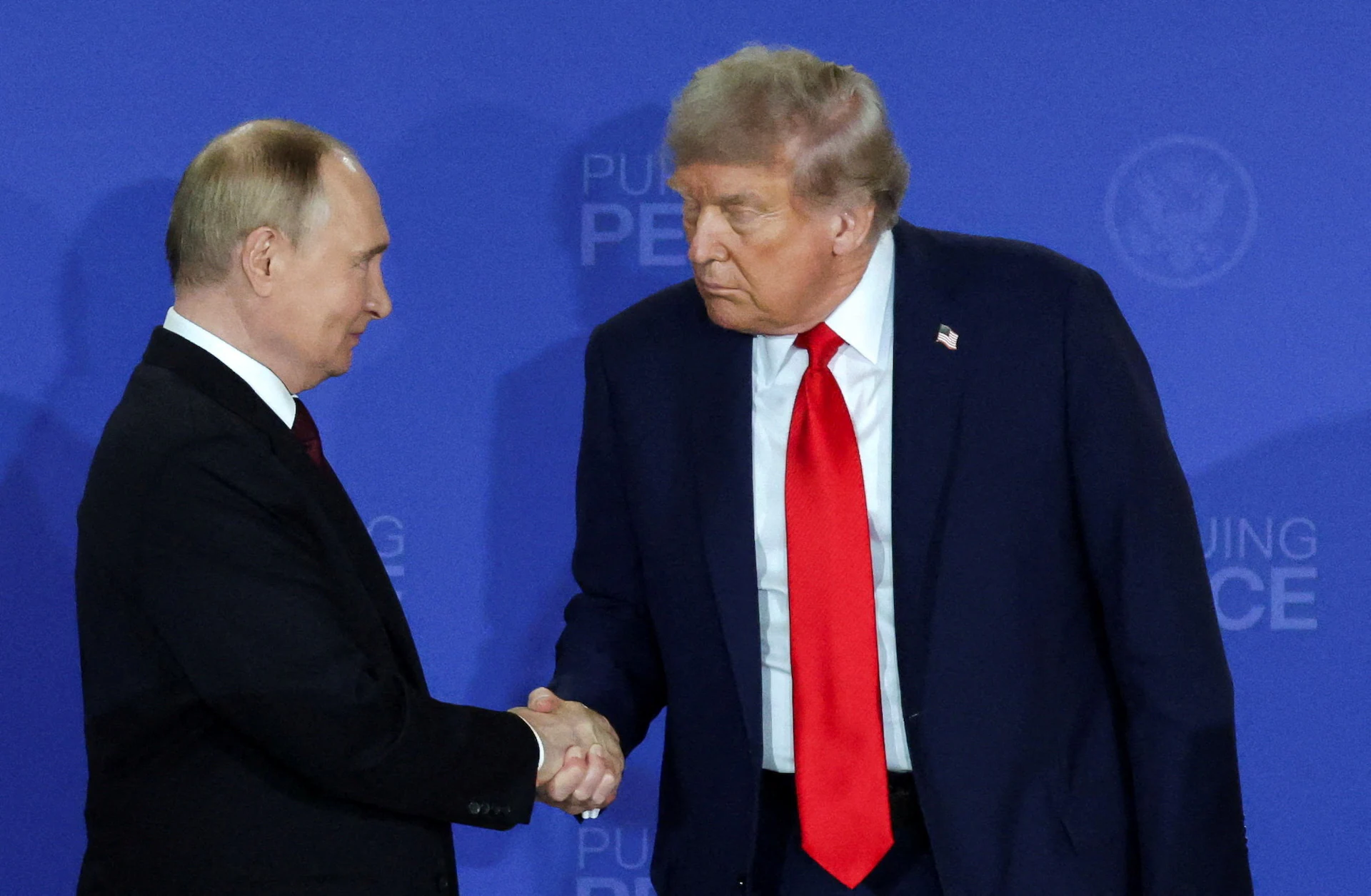
US President Donald Trump has waived major Russia-related sanctions, trade restrictions and tariffs shortly before they were due to take effect under a law he signed in September, delaying the implementation of measures designed to increase economic pressure on Moscow over its war against Ukraine.
In an executive order issued by the White House on October 16, 2026, Trump said the exemptions were in the national interest of the United States. The decision covers several sanctions provisions and proposed tariffs under the Lindsey O. Graham Sanctioning Russia and Iran Act of 2026, including measures targeting countries that continue to purchase Russian oil and natural gas.
The move comes as the Trump administration faces pressure to address rising energy costs and navigate its relationship with Russia, while maintaining its stated objective of resolving the war in Ukraine. It has also drawn criticism from lawmakers who argue that postponing the measures could weaken Washington’s efforts to pressure Russian President Vladimir Putin.
The decision is particularly significant for major buyers of Russian energy, including India and China, which had faced the prospect of steep additional US tariffs under the legislation. The waiver temporarily reduces the immediate threat of those penalties, although the administration retains the authority to reconsider its position.
What Trump’s Executive Order Changes
The executive order suspends the application of several sanctions, restrictions and duties established under the new legislation. Trump justified the decision by certifying to Congress that the waiver was in the national interest of the United States, as permitted under the law.
The legislation had been designed to increase the economic consequences for Russia of its invasion of Ukraine, which began in February 2022. It included provisions targeting individuals and entities connected to the Russian government, financial institutions, businesses and other parties considered to be supporting Moscow.
One of its most consequential provisions authorised tariffs of up to 100% on goods imported into the United States from certain countries that continued purchasing Russian crude oil or natural gas. The measures also covered major importers of Russian energy and countries identified as facilitating the evasion of existing sanctions.
Under the executive order, the relevant tariff increases and several additional sanctions provisions have been waived. The order also directs US officials to monitor countries’ purchases of Russian energy and possible sanctions-evasion activities, with recommendations for further action if circumstances warrant it.
The exemptions will remain in effect until Trump or authorised senior officials determine that further action is appropriate. This means the administration has preserved the option of revisiting the sanctions and tariff measures rather than permanently removing them from consideration.
What Is the Lindsey O. Graham Sanctioning Russia and Iran Act of 2026?
The Lindsey O. Graham Sanctioning Russia and Iran Act of 2026 is a US law intended to strengthen economic pressure on Russia and address activities connected to its war in Ukraine. Trump signed the legislation into law on September 18, 2026, after it received congressional support.
The late Senator Lindsey Graham of South Carolina was the legislation’s principal congressional backer. The law sought to expand the consequences for Russia’s continued military campaign by targeting not only Russian interests but also foreign individuals, entities and countries whose activities could help Moscow sustain its economy or circumvent restrictions.
Its provisions included additional sanctions involving people and organisations connected to Russia, measures affecting financial institutions and restrictions related to Russian energy purchases. It also established a framework for imposing substantial tariffs on imports from countries that continued certain dealings in Russian oil and natural gas.
The potential tariffs were especially significant because they could affect countries that maintain substantial trade relationships with the United States. A 100% tariff could sharply increase the cost of covered imports, potentially disrupting trade flows and creating additional pressure on governments to reconsider their energy purchasing decisions.
However, the law also gave the president the authority to waive specified measures by submitting a certification to Congress that doing so was in the national interest. Trump relied on that provision to suspend key parts of the legislation before the new penalties took effect.
Why India and China Were Concerned About the Tariffs
India and China are among the largest buyers of Russian oil, making them particularly important to the debate over the effectiveness and economic consequences of the legislation.
Since Western countries introduced extensive restrictions on Russian energy following the invasion of Ukraine, Moscow has redirected significant volumes of oil towards buyers in Asia. India, in particular, has become an important market for Russian crude, with purchases influenced by price, availability, refining requirements and broader energy-security considerations.
The proposed US tariffs raised concerns that continued purchases of Russian energy could expose exports from major trading partners to steep additional duties. Such measures could have complicated commercial relations with Washington, potentially affecting businesses beyond the energy sector.
China has consistently opposed what it describes as the use of extraterritorial jurisdiction without a sufficient basis in international law. India has also warned that additional US tariffs could affect bilateral relations, highlighting the diplomatic consequences of measures intended to isolate Russia economically.
By issuing the waiver, Trump has reduced the immediate risk of the new tariff provisions being applied as originally envisaged. For India and China, this provides temporary relief from the specific measures covered by the executive order, although it does not necessarily eliminate other existing US trade restrictions or Russia-related sanctions.
What the Decision Means for India
For India, the waiver is important because Russian crude has become a significant component of its energy-import mix. As one of the world’s major oil-consuming economies, India depends heavily on imported crude to supply its refineries and meet domestic demand for petroleum products.
Russian oil purchases have been shaped by commercial considerations, including pricing, shipping arrangements, refinery requirements and the availability of alternative supplies. Additional US tariffs on Indian goods could have introduced a separate economic cost into decisions about sourcing energy from Russia.
The legislation’s potential impact extended beyond oil imports. If Washington had imposed substantial tariffs on goods from countries continuing to buy Russian energy, Indian exporters could have faced higher costs and reduced competitiveness in the US market, depending on the products and trade arrangements affected.
The waiver temporarily removes the threat posed by the specific tariff provisions suspended by the executive order. It may therefore ease one source of uncertainty for Indian policymakers and businesses assessing trade with the United States.
However, the decision should not be interpreted as a permanent exemption for India from all US tariffs or sanctions. The order preserves the possibility of renewed action, and the administration has instructed officials to continue monitoring Russian energy purchases and activities that could facilitate sanctions evasion.
India’s broader challenge remains balancing affordable energy supplies with its trade relationship with the United States and its diplomatic engagement with other major powers. The latest decision offers short-term relief from a potential new tariff measure but does not resolve every issue affecting India-US economic relations.
Trump’s Decision Comes Amid Rising Energy Costs
Energy prices have become an important consideration in the administration’s approach to sanctions and international relations. The US-Israeli war on Iran has contributed to concerns about oil supply disruptions and higher fuel costs, adding pressure to global energy markets.
Restrictions affecting Russian oil exports can also influence the balance between available supply and demand. If Russian crude becomes harder to sell or transport, buyers may need to seek alternative sources, potentially increasing competition for supplies from other producers.
Against this backdrop, the Trump administration has sought ways to address energy-market pressures, including measures affecting Russian fuel exports. The decision to waive the new sanctions provisions comes shortly after a controversial arrangement involving Russian diesel supplies, which has also attracted criticism from lawmakers.
Supporters of easing some restrictions may argue that keeping additional energy supplies available could help moderate prices and reduce pressure on consumers. Critics, however, question whether the economic benefits justify weakening measures intended to impose costs on Russia for its war in Ukraine.
The impact on fuel prices will depend on several factors, including the volume of oil and refined products reaching international markets, shipping and insurance costs, refinery demand and developments in the Middle East. A waiver alone cannot guarantee lower prices, particularly if other geopolitical disruptions continue to constrain supply.
Democrats Criticise Trump Over the Russia Sanctions Waiver
The decision has prompted criticism from Democratic lawmakers, who argue that the administration is undermining the purpose of legislation passed to increase pressure on Moscow.
US Representative Don Beyer, a Virginia Democrat, criticised the waiver and accused Trump of yielding to Putin. Beyer argued that the move undermined congressional efforts to penalise Russia for its invasion of Ukraine and weakened support for Ukraine.
The criticism reflects a broader disagreement over how Washington should use economic pressure to influence Russia’s conduct. Supporters of tougher sanctions argue that restrictions on energy revenue, financial activity and international trade can raise the cost of continuing the war. They also contend that easing restrictions risks reducing the pressure on Moscow to negotiate.
Others emphasise the need to weigh sanctions against their effects on energy markets, trade relationships and the wider international economy. The president’s decision suggests that the administration is prioritising flexibility in the implementation of the new law, particularly where energy supplies and broader US interests are concerned.
The disagreement also highlights the tension between congressional efforts to establish a tougher sanctions framework and the executive branch’s ability to use waiver provisions written into the legislation.
Russian Officials Welcome the Waiver
The decision was welcomed by Kirill Dmitriev, Russian President Vladimir Putin’s investment envoy, who described the waiver as a historic moment.
Dmitriev argued that the legislation could have effectively halted economic cooperation between Russia and the United States. His reaction reflected Moscow’s interest in avoiding additional restrictions that could complicate trade, financial transactions and other economic engagement.
Russia has faced extensive Western sanctions since launching its full-scale invasion of Ukraine in 2022. Although those measures have restricted several areas of economic activity, Moscow has continued exporting energy to international buyers, particularly in markets outside the Western sanctions coalition.
The new US law threatened to increase pressure by extending the potential costs to countries continuing certain purchases of Russian energy. The waiver delays the application of key provisions, offering Moscow and its trading partners additional room to continue economic activity covered by the suspended measures.
Nevertheless, the order does not erase all existing US sanctions against Russia. It explicitly preserves measures imposed under earlier executive orders addressing Russian activities, including sanctions that were already in force before the new law was enacted.
Controversy Over the US-Russia Diesel Deal
The sanctions waiver follows criticism of a separate arrangement involving Russian diesel exports. Trump agreed to lift certain restrictions on Russian diesel supplies, with the stated objective of making fuel available to global markets and helping ease energy-price pressures.
The arrangement drew objections from several US senators, including Republicans, who argued that allowing Russian fuel exports could provide Moscow with additional revenue while its war against Ukraine continues.
Critics questioned whether the potential benefit to consumers would be significant enough to justify the arrangement. They also raised concerns that proceeds from Russian energy sales could help support the country’s wider military and economic activities.
The controversy has intensified scrutiny of the administration’s Russia policy. The diesel arrangement and the new waiver both illustrate the challenge of balancing efforts to constrain Moscow with concerns about energy supply and economic costs.
For lawmakers seeking stronger sanctions, the timing of the waiver is particularly contentious because the president signed the legislation only weeks earlier. For the administration, the national-interest provision provides a legal mechanism to suspend covered measures while retaining the ability to reconsider them later.
Trump’s Approach to Russia and Ukraine Faces Renewed Scrutiny
The waiver comes amid broader debate over Trump’s approach to the war in Ukraine and his relationship with Putin. The president has publicly criticised Ukrainian President Volodymyr Zelenskyy and suggested that Ukraine needs a different leader, remarks that have added to tensions surrounding Washington’s role in the conflict.
The United States has played a major role in supporting Ukraine since Russia’s full-scale invasion, while successive sanctions have sought to limit Moscow’s access to finance, technology and international markets. Decisions to ease or delay restrictions can therefore have consequences for diplomatic relations with Kyiv and other US partners.
Critics of the waiver argue that reducing economic pressure could weaken Washington’s leverage over Moscow. Those concerns centre on whether Russia will face sufficient incentives to change its conduct or negotiate an end to the war.
The administration’s decision does not, by itself, establish what the long-term direction of US policy towards Russia will be. The waiver is reversible under the executive order, and officials have been instructed to monitor developments and advise the president when further action may be appropriate.
What Happens Next?
The immediate effect of Trump’s decision is to prevent key sanctions, restrictions and tariff provisions under the Lindsey O. Graham Sanctioning Russia and Iran Act of 2026 from taking effect as originally anticipated. The administration will continue monitoring Russian energy purchases and potential sanctions-evasion activities.
The president or authorised officials can reconsider the exemptions if they determine that further action is appropriate. That leaves the possibility of renewed sanctions or tariffs open, depending on future developments in the war, energy markets and relations with countries purchasing Russian oil and gas.
For India and China, the waiver reduces the immediate risk associated with the suspended tariff provisions. For Russia, it delays an additional source of economic pressure. For Ukraine and lawmakers seeking a tougher approach towards Moscow, however, the decision raises questions about the consistency of US sanctions policy.
The broader implications will depend on whether the administration maintains the exemptions, restores the measures or introduces a different approach to Russian energy trade. Until that becomes clearer, businesses and governments will have to account for the possibility that the current relief could be temporary.
Trump’s decision underscores the competing priorities shaping US policy: pressuring Russia over its war in Ukraine, managing energy costs, protecting trade relationships and preserving presidential discretion over sanctions. How the administration balances those objectives will remain central to the debate over the future of US-Russia relations.
For breaking news and live news updates, like us on Facebook or follow us on Twitter and Instagram. Read more on Latest World on thefoxdaily.com.





COMMENTS 0