Early voting for this year’s US midterm elections has begun in Virginia, marking the start of the final six-week stretch before Americans vote on who will represent them in congress and lead state governments across the country.
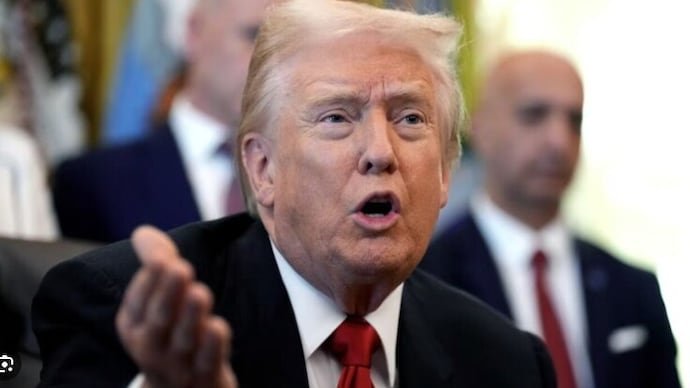
The election will determine whether Republicans retain control of the US House and Senate and will also decide contests for governor and state legislatures in most states. At the same time, the voting process itself has become a major issue, with President Donald Trump continuing to question certain voting methods and pursuing changes to how elections are administered.
Election administrators have said they are prepared to conduct accurate and secure elections. Officials and voting-rights advocates are also encouraging Americans to use the voting options available to them rather than allowing concerns about election procedures to discourage participation.
Virginia’s early-voting start comes as several other states begin or prepare to begin absentee voting in person. Idaho, Minnesota and South Dakota are among the states where voters can cast absentee ballots in person, generally at local election offices or designated voting centres.
Broader early voting will expand across those states and elsewhere over the coming weeks, giving voters multiple opportunities to cast ballots before Election Day.
What is at stake in the November 3 election
The November 3 election will decide races for the US House and Senate, as well as a large number of state-level offices.
Control of Congress is one of the most consequential questions on the ballot. Republicans currently hold majorities in both chambers, and the results will determine whether the party maintains that position for the remainder of Trump’s term.
A Democratic takeover of Congress would significantly change the political environment during the final two years of the presidency. Congressional investigations and oversight of the administration could become more prominent if Democrats gain control.
If Republicans retain their majorities, the administration would continue operating with a congressional majority aligned with many of its priorities.
Beyond Congress, voters will also decide state-level leadership and legislative races. These contests can influence policies involving taxes, Education, healthcare, energy, immigration, voting rules and other issues that directly affect residents.
Early voting expands across the US
Virginia’s opening of in-person early voting provides voters with an opportunity to cast ballots before November 3 rather than waiting for Election Day.
Other states have different procedures and schedules. In some locations, voters can already submit absentee ballots in person, while broader early-voting periods will begin later.
The differences reflect the decentralised structure of American elections. States, and in some circumstances Congress, have authority over election procedures, resulting in different rules for registration, voting methods, ballot processing and election administration across the country.
Election officials have said they are prepared for the coming voting period and have sought to reassure the public about the integrity of the process.
For voters, the practical details can therefore depend on where they live. Early voting dates, locations, eligibility requirements and ballot procedures are not identical nationwide.
Trump continues to challenge voting methods
The beginning of early voting comes as Trump continues efforts to influence how US Elections are administered and to raise questions about particular voting methods.
His administration has pursued several initiatives involving election administration, including court challenges concerning voting procedures, a federal examination of voter rolls for potentially ineligible voters and efforts to obtain voter information from states.
Trump has also repeatedly raised concerns about non-citizens appearing on voter rolls and potentially voting in US elections.
His administration has said that large numbers of people who are not legally eligible to vote are present on voter rolls across the country. At the same time, research cited in the supplied account continues to find that actual non-citizen voting in US elections is exceptionally rare.
This distinction is important because the existence of an ineligible name on a voter-registration list does not necessarily mean that person cast a ballot. Voter rolls can contain outdated or inaccurate records for a variety of administrative reasons, including people moving or dying.
Supreme Court rejects Trump bid on mail ballots
The Supreme Court this week rejected Trump’s effort to restrict mail ballots, according to the supplied account, while other administration efforts related to election administration and voter rolls continue.
The dispute reflects a broader debate over the balance between federal authority and the power of states to administer elections.
The Constitution assigns states significant responsibility for conducting elections, while Congress also has authority in certain areas. Trump’s efforts to increase federal influence over election administration have therefore generated legal and political disputes over the limits of presidential power.
Those disputes could continue during the voting period, particularly as states implement their own procedures for early, absentee and Election Day voting.
Redistricting adds another layer to the election
This year’s congressional elections are also taking place after an unusual wave of mid-decade redistricting.
The process began after Trump urged the Republican-controlled legislature in Texas to redraw its congressional map in a way intended to benefit the Republican Party. California and other states subsequently pursued their own redistricting efforts.
The changes have altered congressional boundaries in several parts of the country. Research cited in the supplied material estimates that roughly one in 10 Americans this autumn lives in a different congressional district from the one they lived in during the 2024 election.
That means some voters will be represented by a different congressional district even though they have not moved.
Congressional district boundaries can have a major effect on elections because they determine which voters are grouped together and which candidates compete for their votes. Partisan redistricting can therefore become an important factor in the battle for control of the House.
Voting rights concerns remain part of the debate
The redistricting disputes also intersect with the country’s broader debate over voting rights.
The supplied account notes that a Supreme Court ruling earlier this year weakened federal Voting Rights Act protections against racially discriminatory redistricting. That decision has implications for how challenges to congressional maps may proceed.
Partisan efforts to redraw districts are expected to remain an issue beyond the current election cycle, potentially continuing into the period before the 2028 elections.
For voters, the changes mean that understanding the current congressional district and the candidates appearing on the ballot can be particularly important in areas where maps have been redrawn.
Economic and national issues shape the campaign
The election is unfolding against a backdrop of concern over household costs and major national issues.
Rising petrol and grocery prices are among the economic concerns cited in the campaign environment. Voters are also paying attention to the war in Iran, the risks associated with Artificial Intelligence technology and Trump’s immigration enforcement policies.
These issues span both domestic and international policy, creating a broad set of questions for voters as they assess candidates for Congress and state offices.
The Cost of Living can be particularly significant in congressional and state-level races because voters often connect national economic conditions with decisions made by elected officials at different levels of government.
Election officials urge voters not to lose confidence
Election officials have responded to the political debate by stressing the reliability of election administration.
David Becker, executive director and founder of the Center for Election Innovation and Research, said he expected continued criticism of election officials and what he described as disinformation surrounding the voting process. He nevertheless expressed confidence that the election process would continue to function.
Voting-rights advocates have also encouraged Americans to vote early, either in person or by mail, rather than waiting until Election Day.
Hannah Fried, co-founder and chief executive of All Voting Is Local, said early voting provides voters with additional options and can reduce Election Day lines.
Advocates are also watching changes in US Postal Service operations because of concerns that ballots sent by mail could face delays in receiving postmarks.
The recommendation to vote early does not eliminate the need for voters to understand their state’s deadlines and procedures. Mail-ballot rules, including when ballots must be requested, postmarked and received, can vary by state.
Minnesota secretary of state reassures voters
Minnesota Secretary of State Steve Simon used a press briefing on Thursday to urge residents not to be discouraged by reports that raise doubts about election operations.
Simon said voters would be able to vote as they traditionally have and described Minnesota’s elections as free, fair, accurate, honest and secure.
His comments reflect a broader effort by state election administrators to maintain public confidence as political arguments over election procedures intensify.
Election officials have a practical role beyond conducting the vote. They must also communicate procedures clearly so voters know where, when and how they can cast their ballots and understand the rules that apply to their ballots.
Why confidence in voting matters
Public confidence is particularly important during a closely contested election because uncertainty about voting procedures can affect whether people participate and whether election results are accepted once ballots are counted.
At the same time, questions about election administration can be legitimate when they concern specific procedures, security measures or legal requirements. The challenge for voters is distinguishing documented problems and ongoing legal disputes from unsupported claims about widespread election irregularities.
The current debate combines both elements. There are genuine disagreements over the appropriate role of federal authorities, mail voting, voter-roll maintenance and redistricting. Election officials, meanwhile, maintain that established voting systems can conduct secure elections.
Those issues are likely to remain prominent as more states begin early voting.
The final stretch before Election Day
With early voting opening in Virginia, the US midterm campaign has entered its final phase.
Voters will make decisions on congressional and state offices while also navigating different voting schedules and procedures depending on where they live. The outcome will determine the balance of power in Congress and shape the political environment for the remainder of Trump’s presidential term.
At the same time, the election is taking place amid an unusually active debate over how American elections should be administered. Trump’s challenges to voting methods and efforts to increase federal involvement have placed election procedures at the centre of the campaign, while state officials continue to defend their systems.
For voters, early voting offers another opportunity to participate before November 3. As voting expands across the country, the campaign will increasingly move from debates over candidates and policies to the practical process of casting, processing and counting ballots.
The result will ultimately depend on votes cast across congressional districts and states, but the period leading up to Election Day will also test public confidence in the systems responsible for conducting the election.
For breaking news and live news updates, like us on Facebook or follow us on Twitter and Instagram. Read more on Latest World on thefoxdaily.com.





COMMENTS 0