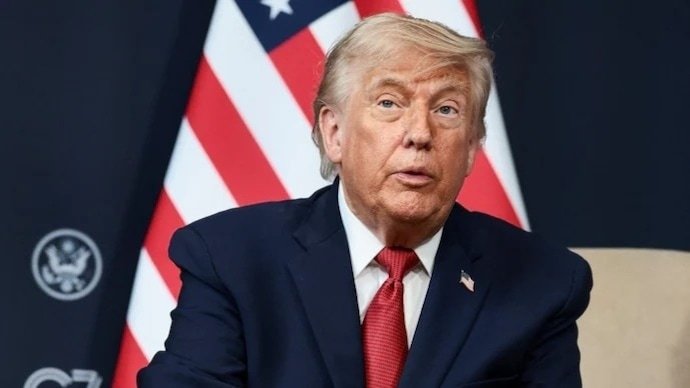
The political debate surrounding the United States‘ military campaign against Iran has entered a crucial phase. While President Donald Trump continues to receive strong backing from most Republican lawmakers, growing concerns among American voters, rising fuel prices, increasing military expenditures, and questions about the long-term strategy are placing fresh pressure on Congress.
At the center of the debate is not only the conflict itself but also a constitutional question that has shaped American foreign Policy for decades: WHO should have the authority to commit the United States to military action—the President or Congress?
With fresh votes on war powers expected in both the House of Representatives and the Senate, lawmakers are balancing national security concerns, party unity, constitutional responsibilities, and electoral politics ahead of the November elections.
Why the Iran Conflict Has Become a Political Flashpoint
The United States’ military operations against Iran have expanded significantly in recent weeks. American airstrikes targeting Iranian military infrastructure, combined with Iranian missile and drone attacks in the Gulf region, have heightened fears of a prolonged regional conflict.
The conflict has also affected Global Energy Markets, particularly because of tensions surrounding the Strait of Hormuz, one of the world’s most important shipping routes for crude oil and liquefied natural gas.
As the military campaign continues, Americans are increasingly feeling the economic impact through higher fuel prices and concerns about long-term military spending.
Why Republicans Continue Supporting Trump
Although several Republican lawmakers have publicly acknowledged that they want more clarity regarding the administration’s long-term objectives, the overwhelming majority continue to support President Trump’s handling of the conflict.
Republican leaders argue that military action is necessary to protect American interests, secure international shipping lanes, deter future attacks, and counter Iran’s military capabilities.
Many lawmakers also believe that displaying unity during an international crisis strengthens America’s negotiating position and discourages adversaries from exploiting domestic political divisions.
The Constitutional Question: Who Decides on War?
One of the most significant issues being debated in Washington is whether the President should obtain explicit congressional authorization before expanding military operations.
The US Constitution divides war-related powers between Congress and the President.
| Congress | President |
|---|---|
| Declares war | Serves as Commander-in-Chief |
| Approves military funding | Directs military operations |
| Exercises oversight through hearings | Can respond rapidly during emergencies |
| Can limit military action through legislation | Implements national security policy |
Modern military conflicts often blur these constitutional boundaries, leading to recurring debates over presidential authority and congressional oversight.
What Are War Powers Resolutions?
War powers resolutions are legislative measures intended to ensure that Congress has a meaningful role in decisions involving prolonged military operations.
Under the War Powers Resolution of 1973, presidents are generally required to notify Congress when US armed forces are introduced into hostilities and, in many circumstances, obtain congressional authorization for continued military engagement.
Successive administrations from both political parties have frequently argued that presidents possess broader constitutional authority, making war powers one of the most debated issues in American constitutional law.
Public Opinion Is Becoming More Divided
Recent opinion surveys indicate that Americans are increasingly divided over the Iran conflict.
While Republican voters continue to show majority support for President Trump’s handling of the crisis, broader national polling suggests many Americans remain concerned about:
- The financial cost of military operations.
- The possibility of a prolonged conflict.
- Higher gasoline prices.
- Potential American casualties.
- The lack of a clearly defined exit strategy.
This gap between party loyalty and broader public opinion is becoming one of the defining political challenges ahead of the November elections.
Military Spending Continues to Rise
Defense officials have informed Congress that military operations have already required tens of billions of dollars in federal spending.
Major categories of wartime expenditure include:
- Air operations.
- Precision-guided munitions.
- Aircraft carrier deployments.
- Missile defense systems.
- Intelligence and surveillance missions.
- Military logistics and personnel support.
As conflicts continue, these costs often increase substantially, creating additional pressure on the federal budget.
Why Rising Gas Prices Matter Politically
Energy prices have historically influenced American elections because they directly affect household budgets.
Military tensions involving the Persian Gulf frequently lead to higher oil prices due to concerns over supply disruptions, particularly through the Strait of Hormuz.
Higher crude oil prices can increase:
- Petrol prices.
- Diesel costs.
- Airfare.
- Freight charges.
- Food prices.
- Overall inflation.
As voters experience these economic effects, foreign policy decisions increasingly become domestic political issues.
Timeline of Recent Developments
| Development | Significance |
|---|---|
| Expansion of US military operations | Conflict enters a more intensive phase. |
| Growing congressional hearings | Lawmakers seek greater transparency. |
| War powers resolutions introduced | Congress debates presidential authority. |
| Military spending disclosed | Budget concerns receive greater attention. |
| Public opinion shifts | Economic concerns become increasingly important. |
| Upcoming congressional votes | Could shape future military oversight. |
Election-Year Politics Add Another Layer
Election years often make foreign policy debates more politically sensitive.
Republican lawmakers seeking re-election must balance two competing priorities:
- Supporting a Republican president during an international crisis.
- Responding to constituents concerned about inflation, fuel prices, and military engagement.
Some lawmakers have acknowledged that explaining classified intelligence and strategic military decisions to voters can be difficult, particularly when much of the information remains confidential.
Democrats Push for Greater Congressional Oversight
Democratic lawmakers have generally argued that Congress should play a larger role in determining whether prolonged military operations continue.
Their concerns focus on:
- Constitutional oversight.
- Executive accountability.
- Long-term military objectives.
- Financial costs.
- Potential escalation.
Supporters of stronger congressional involvement argue that military engagements affecting national policy should receive explicit legislative approval rather than relying solely on executive authority.
Why Party Unity Is Being Tested
Although Republican leadership remains broadly supportive of President Trump, several lawmakers have privately expressed concerns regarding the duration and direction of the conflict.
The challenge for party leaders is maintaining unity while acknowledging legitimate questions regarding military objectives, financial costs, and future diplomatic options.
Political observers note that differences within governing parties often become more visible as military conflicts continue over extended periods.
Expert Analysis: Public Support Can Shift Quickly During Military Conflicts
Political scientists have long observed that public opinion during military engagements often evolves through several stages.
Initial support may be strong immediately after military action begins, particularly if national security concerns dominate public discussion. Over time, however, voters often place greater emphasis on measurable outcomes, casualty figures, financial costs, and economic consequences.
This pattern has been observed across multiple modern conflicts, making public communication and clearly defined strategic objectives increasingly important as military operations continue.
Comparison: Political Priorities in the Current Debate
| Republican Focus | Democratic Focus |
|---|---|
| National security | Congressional oversight |
| Support for presidential authority | War powers accountability |
| Deterrence against Iran | Long-term conflict strategy |
| Military readiness | Economic impact and transparency |
| International security | Constitutional balance of power |
What Comes Next?
The upcoming congressional votes could become an important political indicator rather than an immediate change in military policy.
Key developments to watch include:
- Whether additional Republicans support expanded congressional oversight.
- Future military operations in the Middle East.
- Changes in public opinion.
- Oil price movements.
- Diplomatic negotiations.
- The political impact on the November elections.
The outcome of these debates may influence not only the current Iran conflict but also future discussions regarding presidential military authority.
The Bigger Picture: Foreign Policy Meets Domestic Politics
Major international conflicts rarely remain purely foreign policy issues. Rising fuel costs, government spending, military casualties, and economic uncertainty often become central topics in domestic political campaigns.
For Republican lawmakers, the challenge is demonstrating support for national security while addressing growing concerns among voters affected by higher living costs and prolonged military engagement.
For Democrats, the focus remains on increasing congressional oversight and questioning whether current military objectives are clearly defined and sustainable.
Conclusion
Republican lawmakers continue to stand largely behind President Donald Trump’s Iran strategy, reflecting strong party unity even as public opinion becomes increasingly mixed. With Congress preparing for another round of war powers votes, the debate now extends beyond military operations to include constitutional authority, economic consequences, and electoral politics.
The coming weeks will be critical as lawmakers weigh national security priorities against growing voter concerns over military spending, fuel prices, and the duration of the conflict. Whether Congress ultimately expands its oversight role or continues supporting broad presidential authority, the decisions made now are likely to shape both US Foreign Policy and the political landscape heading into the November elections.
For breaking news and live news updates, like us on Facebook or follow us on Twitter and Instagram. Read more on Latest World on thefoxdaily.com.






COMMENTS 0