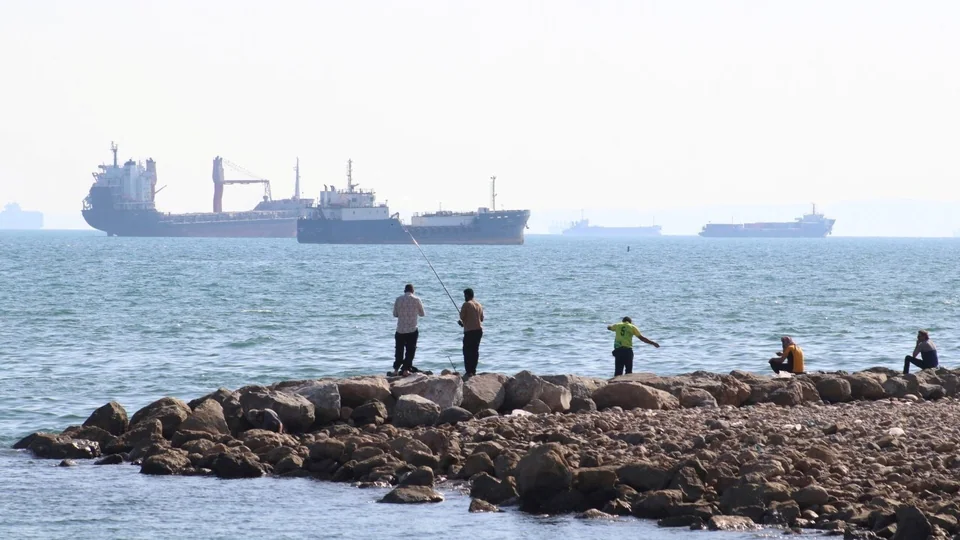
The United States military has struck and disabled a commercial vessel in the Gulf of Oman after accusing it of attempting to breach Washington’s naval blockade of Iran. The incident, announced by US Central Command (CENTCOM) on Friday, marks another escalation in the confrontation between Washington and Tehran over maritime access, Iranian oil exports and the future of the Strait of Hormuz.
The vessel, the Palau-flagged M/V Pacific Archer, was struck by a US aircraft on Thursday after departing the Iranian port city of Bandar Abbas. American forces targeted the stern of the bulk carrier after issuing multiple warnings, according to CENTCOM. The military said the strike disabled the ship but left its civilian crew unharmed.
The incident highlights the growing risks to commercial shipping as the United States maintains pressure on Iran through a naval blockade and sweeping economic sanctions. Tehran has refused Washington’s demands to abandon its nuclear programme and permit unrestricted commercial navigation through the strategically important Strait of Hormuz.
What Happened to the M/V Pacific Archer?
The M/V Pacific Archer, a bulk carrier flying the flag of Palau, was sailing from Bandar Abbas, an important Iranian port, when it was intercepted by US forces in the Gulf of Oman. Washington accused the vessel of attempting to evade the naval blockade imposed on Iran.
According to US Central Command, American forces issued multiple warnings before taking military action. When the vessel allegedly failed to comply, a US aircraft struck its stern, disabling the ship and preventing it from continuing its voyage.
CENTCOM said the civilian crew members were unharmed. The statement did not provide further details about the extent of the vessel’s damage, its cargo or the ship’s intended destination.
The strike is significant because it demonstrates that Washington is prepared to use military force against commercial vessels it believes are attempting to bypass restrictions on Iranian maritime trade. It also raises questions about the risks faced by shipping operators navigating waters around Iran while the blockade remains in place.
US Naval Blockade Increasing Pressure on Iran
The strike comes as the United States continues enforcing a naval blockade intended to restrict Iran’s maritime trade and limit the country’s ability to generate revenue from exports, particularly oil.
Washington has used the blockade alongside extensive economic sanctions to increase pressure on Tehran. The strategy is designed to restrict the movement of vessels associated with Iranian trade and make it more difficult for the country to sustain commercial activity through international shipping routes.
US Central Command said American forces have redirected 158 ships and disabled six vessels that refused to comply with warnings against attempting to run the blockade. These figures indicate the scale of maritime enforcement operations being conducted by US forces.
The latest action against the Pacific Archer adds another vessel to that confrontation. It also sends a warning to shipping operators that attempts to continue voyages connected to Iranian ports could result in interception or military action under Washington’s enforcement policy.
However, the blockade’s wider consequences extend beyond individual ships. Restrictions on maritime trade can affect export earnings, shipping costs, access to imported goods and the broader economic environment of a country that depends heavily on international trade.
Why Iran Is Refusing US Demands
Despite the economic pressure, Iran has not accepted Washington’s demands. The dispute centres on two major issues: Tehran’s nuclear programme and freedom of commercial navigation through the Strait of Hormuz.
The United States wants Iran to give up its nuclear programme and allow commercial shipping to move freely through the strategic waterway. Tehran has refused to meet those demands, leaving diplomatic efforts to end the conflict stalled.
Iran’s position on the nuclear issue is closely connected to the wider confrontation over national security, economic restrictions and its regional influence. For Washington, restricting Iran’s ability to pursue its nuclear ambitions remains a central objective of its pressure campaign.
The disagreement over maritime access has added another layer to the crisis. The Strait of Hormuz is one of the world’s most important energy shipping routes, and restrictions on movement through the area can have consequences for oil and gas supplies well beyond the Middle East.
Why the Strait of Hormuz Is So Important to Global Energy Markets
The Strait of Hormuz connects the Persian Gulf with the Gulf of Oman and the Arabian Sea. It is a critical route for oil and liquefied natural gas shipments from major energy-producing countries in the Gulf region to international markets.
Large volumes of energy exports pass through the narrow maritime corridor, making it an essential part of the global energy supply chain. Any disruption can increase uncertainty for shipping companies, energy traders, importers and governments that depend on supplies moving through the region.
For countries importing oil from the Middle East, instability around the strait can translate into higher shipping and insurance costs, supply concerns and greater volatility in energy prices. The impact depends on how long disruptions continue, the scale of restrictions and whether alternative routes can accommodate affected shipments.
The US-Iran dispute therefore carries implications beyond the two countries. A prolonged confrontation over commercial navigation could affect energy markets and international trade, particularly if shipping operators become reluctant to use routes near the conflict zone.
Trump Maintains Economic Pressure Instead of Expanding Military Strikes
US President Donald Trump has opted to maintain the naval blockade and extensive sanctions on Iran as part of Washington’s strategy to force Tehran into making concessions. Rather than relying primarily on large-scale military strikes, the administration has continued using economic pressure and maritime restrictions to weaken Iran’s ability to sustain its economy.
The approach reflects an effort to impose costs on Tehran while keeping the confrontation below the level of a broader military campaign. However, the decision to strike the Pacific Archer shows that the strategy can still involve direct military action when US forces believe a vessel is violating the blockade.
Trump made a forceful statement about Washington’s position on Thursday, saying he could achieve victory in Iran whenever he wanted and that he was giving Tehran a chance to act sensibly.
“Whenever I want it,” Trump said about achieving victory in Iran, adding that he was giving Tehran a “chance to be smart.”
The remarks suggest that the administration believes its combination of sanctions, maritime restrictions and military pressure gives it significant leverage. However, Iran’s refusal to accept the US demands indicates that the confrontation remains unresolved.
Diplomatic Efforts to End the Conflict Remain Stalled
The latest strike comes as diplomatic efforts to end the war have failed to produce a breakthrough. The continued blockade and Iran’s refusal to accept Washington’s conditions have made it difficult to establish a framework for de-escalation.
For the United States, the central challenge is maintaining pressure without allowing the confrontation to expand into a wider regional conflict. For Iran, accepting the demands could involve major concessions on issues that Tehran considers central to its national security and sovereignty.
The Pacific Archer incident adds another obstacle to an already difficult diplomatic environment. Military action against a commercial vessel can increase tensions, complicate negotiations and raise concerns among countries and businesses involved in maritime trade.
Neither the US announcement nor the information provided about the strike established that a diplomatic agreement was imminent. The immediate focus remains on enforcement of the blockade and Tehran’s response to Washington’s continuing demands.
What the Pacific Archer Strike Means for Commercial Shipping
The disabling of the Pacific Archer highlights the risks facing commercial vessels operating near Iranian ports during the blockade. Shipping companies must consider not only the normal operational challenges of navigating the Gulf region but also the possibility of interception, warnings and military action.
Vessels connected to Iranian trade may face additional scrutiny, while operators could reassess routes, insurance arrangements and the commercial risks of entering or leaving ports in the region. Any increase in uncertainty can affect freight costs and the willingness of shipping companies to undertake voyages.
The incident also raises broader questions about how the United States will enforce the blockade against vessels that it considers non-compliant. CENTCOM’s statement indicates that warnings and redirection remain part of the enforcement process, but the latest strike demonstrates that military action is also being used.
For now, the US military says the Pacific Archer has been disabled and its civilian crew members are safe. Further details about the vessel’s condition, cargo and subsequent handling were not provided in the announcement.
A Growing Test for US-Iran Relations
The strike against the Pacific Archer represents another development in the escalating confrontation between Washington and Tehran. The United States is relying on sanctions and naval restrictions to pressure Iran, while Tehran continues to reject demands concerning its nuclear programme and the Strait of Hormuz.
The consequences could extend well beyond the immediate military encounter. The Gulf of Oman and the Strait of Hormuz are vital to international commerce, and continued disruption could affect energy supplies, shipping operations and economic confidence across global markets.
The central question is whether the blockade will eventually force Iran to negotiate or whether continued pressure will deepen the confrontation. With diplomatic efforts stalled and both sides maintaining their positions, the latest vessel strike underscores how quickly the dispute can move from economic pressure to direct military action.
For commercial shipping operators, the incident is a warning that voyages connected to Iranian ports carry heightened risks while the blockade remains in force. For global energy markets, the larger concern is whether the dispute will continue to threaten navigation through one of the world’s most important maritime chokepoints.
For breaking news and live news updates, like us on Facebook or follow us on Twitter and Instagram. Read more on Latest World on thefoxdaily.com.





COMMENTS 0