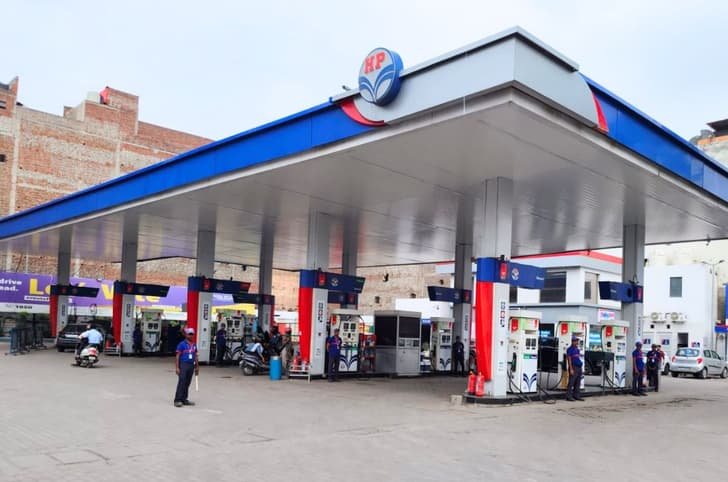
Hindustan Petroleum Corporation Limited (HPCL), one of India‘s largest public sector oil marketing companies, has successfully completed a comprehensive nationwide inspection drive aimed at verifying the quality of ethanol-blended petrol sold through its retail outlets. According to the company, the surveillance exercise found zero reported cases of fuel adulteration, contamination, or critical quality lapses across the inspected network.
The extensive quality monitoring campaign reflects the increasing importance of maintaining fuel standards as India expands its Ethanol Blending programme to reduce crude oil imports, lower carbon emissions, and support domestic biofuel production. The inspections also demonstrate the role of regular quality audits in ensuring consumer confidence and protecting vehicle performance.
Conducted over multiple days in July 2026, the operation involved surprise inspections, scheduled audits, mobile laboratory testing, and oversight by HPCL’s dedicated Quality Assurance Cell. The company stated that the campaign specifically focused on verifying localized ethanol blending levels while ensuring compliance with prescribed fuel quality standards.
HPCL Fuel Quality Inspection: Key Highlights
| Inspection Parameter | Details |
|---|---|
| Inspection Period | July 3–13, 2026 |
| Surprise Retail Inspections | 2,173 |
| Regular Field Inspections | 1,385 |
| Quality Assurance Surprise Checks | 93 |
| Mobile Laboratory Fuel Tests | 49 Samples |
| Reported Adulteration Cases | Zero |
Why HPCL Conducted the Nationwide Inspection Drive
India’s fuel retail network has undergone significant changes with the expansion of ethanol-blended petrol under the National Biofuel Policy and the Ethanol blended petrol (EBP) Programme. As blending levels increase, maintaining uniform fuel quality across thousands of retail outlets has become increasingly important.
HPCL’s inspection campaign was designed to verify that ethanol-blended petrol supplied through its retail stations met quality requirements while ensuring there were no instances of contamination or unauthorized mixing.
The exercise also aimed to strengthen consumer confidence by demonstrating that quality assurance remains a priority as cleaner fuels become more widely available across the country.
More Than 2,000 Surprise Inspections Conducted
According to HPCL, field officers carried out 2,173 unannounced inspections at retail fuel stations between July 7 and July 13, 2026.
Unlike scheduled audits, surprise inspections allow quality control teams to assess operational practices under normal Business conditions without prior notice. Such inspections are considered an effective tool for detecting irregularities and ensuring continuous compliance with established fuel quality standards.
These inspections specifically examined localized ethanol blending parameters alongside broader fuel quality checks.
Regular Monitoring Continued Alongside Surprise Audits
In addition to the surprise inspections, HPCL conducted 1,385 routine field inspections across its nationwide retail network between July 3 and July 13.
Regular inspections generally focus on operational compliance, storage conditions, dispensing equipment, fuel handling procedures, and adherence to standard operating practices.
Combining scheduled audits with surprise inspections enables companies to maintain continuous oversight of retail operations while identifying potential issues before they affect consumers.
Dedicated Quality Assurance Cell Played a Key Role
The inspection campaign also involved HPCL’s specialized Quality Assurance Cell, an internal division responsible for monitoring fuel quality and preventing adulteration across the company’s distribution network.
During the campaign, the Quality Assurance Cell carried out 93 targeted surprise inspections at selected retail outlets.
These inspections typically involve more detailed verification procedures and are designed to provide an additional layer of quality control beyond routine operational checks.
Mobile Laboratories Enabled On-Site Fuel Testing
As part of the surveillance exercise, technical teams used mobile laboratory units to analyze fuel samples directly at retail stations.
HPCL reported that 49 individual fuel samples were tested on-site during the campaign.
Mobile laboratories allow engineers to perform immediate quality assessments without waiting for centralized laboratory analysis, enabling quicker identification of any potential deviations from prescribed fuel specifications.
What Is Ethanol-Blended Petrol?
Ethanol-blended petrol is conventional petrol mixed with a specified percentage of ethanol, a renewable biofuel primarily produced from agricultural feedstocks such as sugarcane, maize, damaged Food grains, and other biomass sources.
The blending programme has become a major component of India’s clean energy strategy.
Its primary objectives include:
- Reducing dependence on imported crude oil.
- Supporting domestic agriculture and biofuel industries.
- Lowering greenhouse gas emissions.
- Improving national energy security.
- Promoting cleaner transportation fuels.
Why Fuel Quality Matters for Consumers
Fuel quality directly affects engine performance, fuel efficiency, emissions, and the long-term reliability of vehicles.
Poor-quality or adulterated fuel can lead to:
- Reduced engine performance.
- Lower fuel economy.
- Engine knocking.
- Injector and fuel system damage.
- Higher maintenance costs.
- Increased emissions.
Regular surveillance and laboratory testing therefore play an important role in protecting consumers and ensuring vehicles operate as designed.
How Fuel Quality Is Verified
Fuel quality monitoring typically involves multiple stages of inspection and testing.
| Inspection Activity | Purpose |
|---|---|
| Surprise Inspections | Detect operational irregularities without prior notice. |
| Routine Field Audits | Verify compliance with operational procedures. |
| Mobile Laboratory Testing | Analyze fuel quality directly at retail outlets. |
| Quality Assurance Reviews | Investigate potential quality concerns and maintain standards. |
This multi-layered approach helps maintain consistency across large retail fuel networks operating in different regions of the country.
India’s Ethanol Blending Programme Continues to Expand
India has significantly increased ethanol blending over the past several years as part of its long-term energy transition strategy. The programme seeks to reduce dependence on imported fossil fuels while encouraging domestic production of renewable fuels.
Higher blending levels also contribute to improved energy diversification and provide additional market opportunities for India’s agricultural sector.
As ethanol usage expands, maintaining strict quality standards throughout production, transportation, storage, and retail distribution becomes increasingly important.
How Retail Fuel Inspections Benefit Motorists
Although most drivers may never witness these inspections, they provide several practical benefits.
- Improved confidence in fuel quality.
- Reduced risk of adulterated fuel.
- Better engine protection.
- More consistent vehicle performance.
- Enhanced transparency in fuel retail operations.
Regular inspections also encourage retailers to maintain proper operational practices and comply with established quality standards.
Quality Assurance Supports India’s Clean Energy Goals
Fuel quality monitoring is becoming increasingly important as India transitions toward cleaner transportation fuels.
Government initiatives promoting ethanol blending, compressed biogas, electric mobility, hydrogen, and other alternative fuels all depend on maintaining consistent quality throughout the Supply Chain.
For oil marketing companies, quality assurance is therefore no longer limited to regulatory compliance but has become an important component of consumer trust and environmental sustainability.
What the Inspection Results Indicate
HPCL’s report of zero adulteration or major quality violations during the inspection cycle suggests that the company’s retail fuel quality control mechanisms are functioning effectively across the locations covered during the surveillance campaign.
While routine monitoring will continue throughout the year, the results indicate that existing inspection procedures, field audits, and laboratory testing systems are helping maintain compliance with prescribed fuel quality standards.
Conclusion
HPCL’s nationwide fuel quality surveillance campaign highlights the growing emphasis on maintaining high standards as India’s ethanol blending programme continues to expand. By conducting more than 2,000 surprise inspections, over 1,300 routine audits, targeted quality assurance checks, and on-site laboratory testing, the company has demonstrated a proactive approach to ensuring the quality of ethanol-blended petrol supplied through its retail network.
As cleaner fuels play an increasingly important role in India’s energy future, consistent monitoring, scientific testing, and transparent quality assurance will remain essential for protecting consumers, supporting vehicle performance, and strengthening confidence in the country’s evolving fuel ecosystem.
For breaking news and live news updates, like us on Facebook or follow us on Twitter and Instagram. Read more on Latest Automobile on thefoxdaily.com.





COMMENTS 0