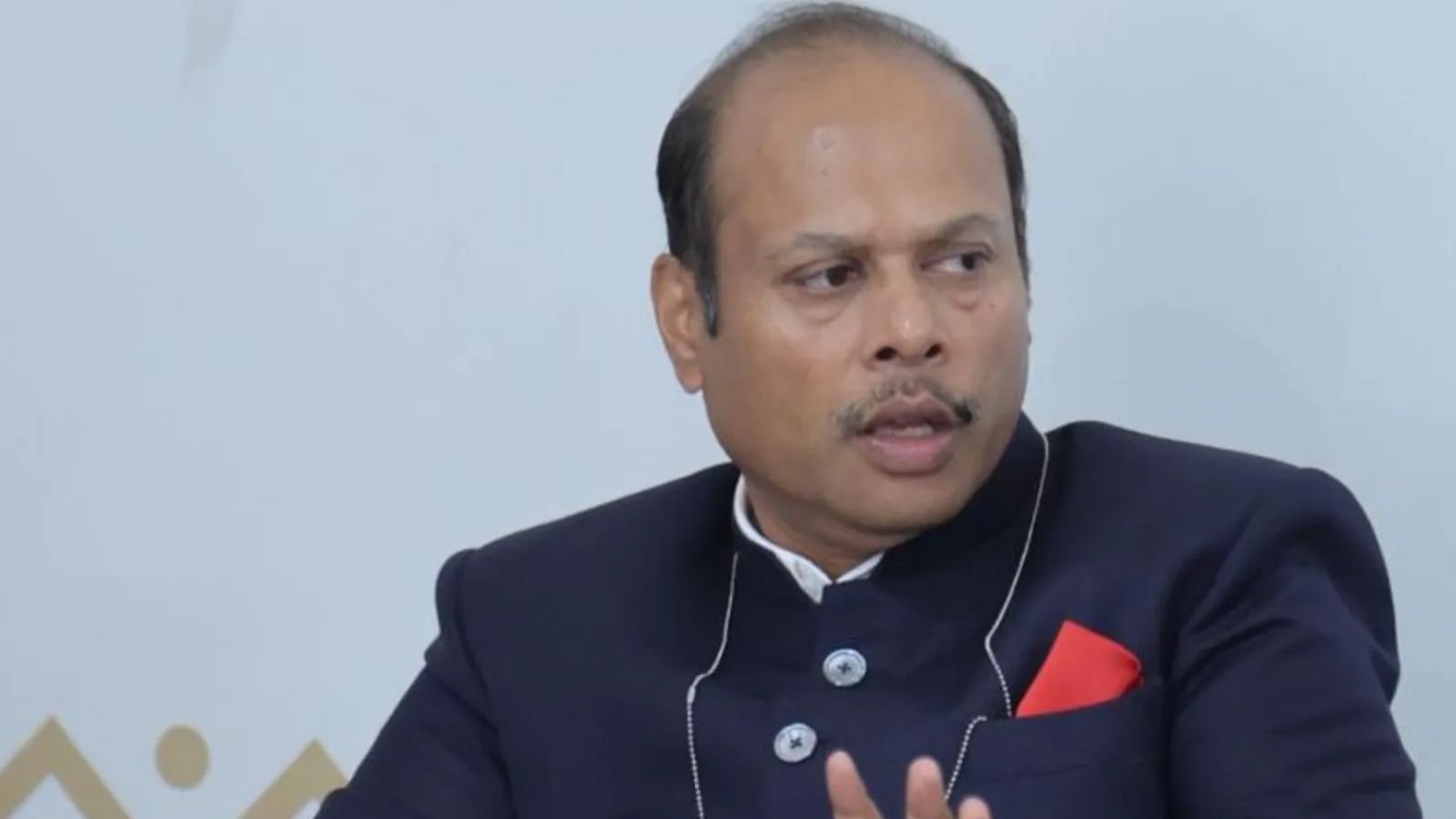
In a significant diplomatic and financial governance achievement, India has been elected to the vice-presidency of the Financial Action Task Force (FATF), the world’s leading anti-Money Laundering and counter-terrorist financing watchdog. For the first time since joining the organization in 2010, India will occupy a leadership position at the global standard-setting body that shapes international efforts against financial crime.
Vivek Aggarwal, a senior Indian Administrative Service officer of the 1994 Madhya Pradesh cadre and currently serving as Secretary in the Ministry of Culture, has been appointed FATF Vice-President for the period from July 2026 to June 2027. The development is being viewed as a major endorsement of India’s anti-money laundering framework, regulatory capabilities, and growing role in shaping global financial governance.
Beyond the symbolism of the appointment, India’s elevation comes at a crucial time when financial crime is becoming increasingly sophisticated, fueled by digital payments, cryptocurrencies, cybercrime networks, and transnational terror financing mechanisms. The appointment positions India closer to the center of international decision-making on these issues and may strengthen its prospects of eventually assuming the FATF presidency.
What Is FATF and Why Does It Matter?
The Financial Action Task Force is the world’s most influential body dedicated to combating money laundering, terrorist financing, and the financing of weapons proliferation.
Established in 1989 by the G7 nations, FATF initially focused on money laundering linked to organized crime. Following the September 11 attacks and the evolving Global Security landscape, the organization expanded its mandate in 2001 to include terrorist financing.
Today, FATF’s recommendations form the backbone of anti-money laundering (AML) and counter-terrorist financing (CFT) regulations across the globe.
Its influence extends far beyond its 40 official members.
- More than 200 jurisdictions follow FATF standards.
- Global banks use FATF assessments to evaluate risk.
- International investors closely monitor FATF decisions.
- Countries placed under enhanced monitoring often face economic consequences.
- Financial institutions worldwide align compliance frameworks with FATF guidelines.
In practical terms, FATF has become one of the most powerful organizations influencing global financial integrity.
Why India’s Election to FATF Vice-Presidency Is Historic
India became a full member of FATF in 2010, but until now had never held a leadership position within the organization.
The appointment of Vivek Aggarwal as Vice-President represents a major milestone in India’s international financial Diplomacy.
It signals that member countries recognize India’s growing contribution to global efforts against:
- Money laundering.
- Terror financing.
- Cyber-enabled financial crimes.
- Cross-border illicit financial flows.
- Emerging risks linked to digital assets.
The vice-presidency also places India in a strategic position to influence future FATF priorities and policy discussions.
Officials believe the role could significantly strengthen India’s chances of securing the FATF presidency in a future leadership cycle.
How FATF Leadership Works
The FATF presidency rotates among member countries through a structured process.
The Vice-President supports the President in overseeing the organization’s agenda and implementation efforts.
| Position | Role | Term |
|---|---|---|
| President | Leads FATF strategy and global agenda | 2 Years |
| Vice-President | Supports leadership and policy execution | 2 Years |
| Members | Participate in policy development and evaluations | Ongoing |
The Vice-President often plays a key role in coordinating discussions among member countries and helping shape future initiatives.
Why the Appointment Matters for India
The significance of the appointment extends beyond prestige.
India has consistently argued that financial networks are among the most important enablers of terrorism, organized crime, drug trafficking, cyber fraud, and illegal arms trade.
By occupying a leadership role, India gains greater influence in shaping global responses to these threats.
The appointment also aligns with India’s broader objective of strengthening its role in international institutions and participating more actively in rule-making rather than merely rule-following.
For decades, global financial regulations were largely shaped by Western economies. India’s growing economic size and digital transformation have increasingly positioned it as an important voice in financial governance.
India’s Strong FATF Evaluation Helped Build Credibility
One of the key factors behind India’s elevation is believed to be its strong performance in its latest FATF Mutual Evaluation.
Mutual Evaluations are among the most rigorous assessments conducted by FATF.
They examine:
- Legal frameworks.
- Regulatory systems.
- Financial intelligence mechanisms.
- Law enforcement effectiveness.
- International cooperation.
- Counter-terror financing capabilities.
India’s recent evaluation received considerable international attention because of the country’s efforts to strengthen financial transparency, improve enforcement mechanisms, and modernize compliance systems.
The evaluation highlighted improvements in several critical areas of financial oversight.
India’s Digital Payments Revolution and FATF Relevance
A unique factor distinguishing India from many countries is its leadership in digital payments.
The rapid growth of Unified Payments Interface (UPI), fintech Innovation, and digital financial inclusion has transformed India’s financial landscape.
While digitalization creates opportunities, it also introduces new risks.
Modern financial criminals increasingly exploit:
- Digital wallets.
- Cryptocurrencies.
- Virtual asset platforms.
- Cross-border payment systems.
- Online fraud networks.
India has actively participated in FATF discussions surrounding virtual asset service providers and emerging financial technologies.
This expertise has enhanced India’s standing as countries worldwide struggle to balance innovation with security.
The Growing Global Challenge of Financial Crime
The FATF appointment comes at a time when financial crime is evolving rapidly.
Traditional money laundering methods involving cash transactions have increasingly shifted toward digital channels.
Criminal organizations now leverage sophisticated technologies to move funds across borders with unprecedented speed.
Some of the fastest-growing threats include:
- cryptocurrency laundering.
- Online investment scams.
- Ransomware payments.
- Dark web marketplaces.
- Trade-based money laundering.
- Terror financing through digital networks.
FATF’s future work is expected to focus heavily on these challenges, making leadership positions increasingly influential.
What Role Will Vivek Aggarwal Play?
As Vice-President, Vivek Aggarwal will help guide FATF’s strategic priorities alongside the incoming leadership.
His previous experience in the Department of Revenue and involvement in India’s FATF Mutual Evaluation process provide him with significant expertise in financial governance and regulatory policy.
His responsibilities may include:
- Supporting policy formulation.
- Facilitating consensus among member countries.
- Addressing emerging financial risks.
- Promoting implementation of FATF standards.
- Strengthening international cooperation.
His appointment places an Indian official at one of the most influential positions in the global financial integrity architecture.
How FATF Decisions Affect Countries
FATF’s influence extends beyond technical regulations.
Its assessments can have substantial economic consequences.
Countries placed under enhanced monitoring often experience:
- Reduced investor confidence.
- Higher compliance costs.
- Increased scrutiny from international banks.
- Potential capital flow disruptions.
- Greater challenges accessing global finance.
Conversely, countries demonstrating strong compliance often benefit from improved credibility and financial stability.
This is one reason why FATF decisions are closely followed by governments, financial institutions, and international investors.
A Strategic Opportunity for India
India’s vice-presidency provides more than international recognition—it offers strategic advantages.
As one of the world’s fastest-growing major economies, India increasingly seeks greater influence in institutions that govern global finance.
The role provides opportunities to:
- Advance international cooperation against terrorism financing.
- Share best practices in digital financial systems.
- Influence future AML and CFT standards.
- Strengthen partnerships with major economies.
- Promote financial transparency globally.
It also enhances India’s reputation as a responsible stakeholder in international financial governance.
The Road to a Possible FATF Presidency
Many analysts view the vice-presidency as an important stepping stone toward a future FATF presidency.
While leadership transitions depend on member support and institutional processes, vice-presidents often gain valuable experience and visibility that can strengthen future candidacies.
If India eventually assumes the presidency, it would represent one of the most significant leadership positions the country has held within the global financial regulatory framework.
Such a development would further elevate India’s voice in shaping international financial policy.
Comparison: India’s Growing Role in Global Governance
| Area | India’s Growing Influence |
|---|---|
| G20 | Leadership in global economic coordination |
| Digital Public Infrastructure | Global model through UPI and digital identity systems |
| Climate Diplomacy | Leadership through international initiatives |
| Financial Governance | First-ever FATF vice-presidency |
| Counter-Terror Cooperation | Increasing role in international policy frameworks |
The FATF appointment fits into a broader pattern of India assuming larger responsibilities in Global Governance institutions.
Conclusion
India’s election to the FATF vice-presidency marks a watershed moment in the country’s international financial journey. The appointment of Vivek Aggarwal as Vice-President of the world’s premier anti-money laundering and counter-terror financing watchdog reflects growing global confidence in India’s regulatory capabilities, policy expertise, and commitment to financial integrity.
Beyond its symbolic significance, the role provides India with an opportunity to help shape responses to some of the most pressing financial challenges of the modern era, including digital financial crime, cryptocurrency-related risks, illicit financial flows, and terror financing.
As financial systems become increasingly interconnected and technologically complex, leadership within FATF carries strategic importance far beyond traditional diplomacy. India’s elevation signals not only recognition of past achievements but also trust in its ability to contribute to the future architecture of global Financial Security.
The coming years will reveal how effectively India leverages this opportunity, but one thing is already clear: the country’s voice in global financial governance has become significantly stronger, and its path toward even greater leadership within international institutions appears increasingly realistic.
For breaking news and live news updates, like us on Facebook or follow us on Twitter and Instagram. Read more on Latest Business on thefoxdaily.com.






COMMENTS 0