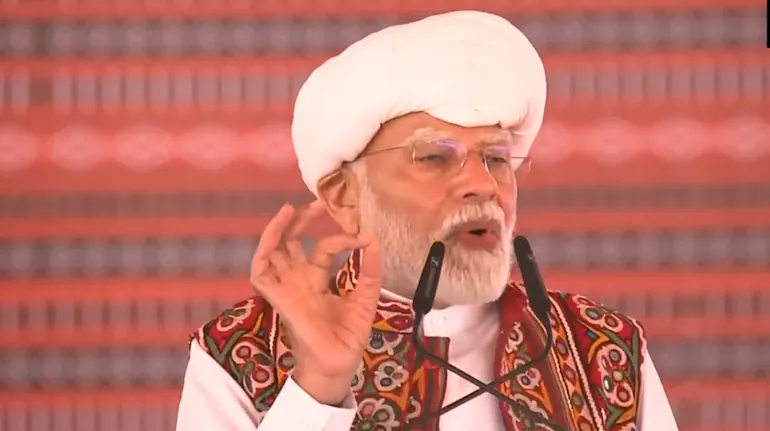
Prime Minister Narendra Modi will celebrate Diwali with security personnel in Chhattisgarh‘s Bastar on Sunday, November 8, 2026, reaffirming his tradition of spending the festival with members of India’s armed and security forces.
Announcing the visit, Modi said he wanted to salute personnel for their sacrifices and commitment to the nation. His decision to visit Bastar carries particular significance because the region has experienced decades of Left-Wing Extremism (LWE), commonly associated with the Naxalite insurgency.
The prime minister said the festival was an occasion for people across the country to wish one another peace, prosperity and happiness. He added that while he celebrates Diwali with the same enthusiasm as other citizens, he also makes it a priority to spend the occasion with personnel serving away from their families.
PM Modi Says He Will Honour Security Personnel in Bastar
Modi described the visit as an opportunity to recognise the service of security personnel working in challenging conditions. In his announcement, he said: “I am going to salute our brave security forces for their sacrifices and devotion to the nation.”
The prime minister’s remarks highlighted the role of personnel deployed in areas affected by insurgency and security threats. Many of them spend festivals and important family occasions away from home while carrying out operational duties.
Bastar is one of the most strategically important regions in Chhattisgarh’s internal security landscape. Security forces operating there face difficult terrain, remote settlements and the continuing challenge of maintaining peace in areas historically affected by Maoist violence.
By choosing Bastar for his Diwali visit, Modi is also drawing attention to the government’s security and development efforts in a region that has remained central to India’s campaign against Left-Wing Extremism.
PM Modi Reaffirms His Annual Diwali Tradition With Soldiers
Before the visit, Modi had said in a video message that he would continue his annual practice of celebrating Diwali with soldiers and security personnel. He described the festival as a moment to share happiness and extend wishes for the country’s well-being.
“My heartiest greetings to all of you for Deepavali. I wish for peace, prosperity and happiness for all of you in the coming days,” he said.
He also explained that spending Diwali with security personnel had become an important tradition for him. According to the prime minister, he celebrates the festival enthusiastically like other citizens but makes a special effort to be with those serving the country.
“Every year, I celebrate Deepavali with the brave soldiers of the country. This time also I will continue the tradition,” Modi said.
His visits to personnel on important national occasions have become a recurring feature of his public engagements. Such meetings are intended to recognise the contribution of those deployed in difficult locations and offer encouragement to personnel who cannot celebrate festivals with their families.
Why Bastar Is Significant for India’s Security Strategy
Bastar has historically been among the areas most affected by Left-Wing Extremism in India. The wider Bastar division in southern Chhattisgarh includes districts such as Bijapur, Sukma, Dantewada, Narayanpur, Kanker, Kondagaon and Bastar.
For years, Maoist groups operated across forested and remote parts of the region, using difficult terrain and limited road connectivity to maintain influence. Their activities included attacks on security personnel, violence against civilians, destruction of infrastructure and efforts to obstruct government development programmes.
The insurgency also affected daily life in several communities. Insecurity and the threat of violence complicated access to schools, healthcare, markets and public services, while road construction and other infrastructure projects frequently faced resistance.
Security operations in the region have involved the Central Reserve Police Force (CRPF), state police units and specialised forces. Their responsibilities include conducting operations against armed Maoist groups, protecting civilians, securing infrastructure and helping restore government access to remote areas.
The prime minister’s visit places the contribution of these personnel in the spotlight at a time when the Centre and Chhattisgarh government continue efforts to reduce the influence of Maoist organisations.
Security Operations and the Push to End Left-Wing Extremism
The government’s approach to tackling Left-Wing Extremism combines security operations with infrastructure expansion and development programmes. The objective is not limited to reducing the armed presence of Maoist groups but also to improve the state’s reach in areas where public services and administrative institutions have historically been weak.
Security forces have conducted operations against Maoist leaders and armed cadres in several parts of Chhattisgarh. These operations have been accompanied by efforts to strengthen police infrastructure, improve intelligence networks and establish security camps in strategically important locations.
Road construction is another important part of the strategy. Better connectivity can help security personnel reach remote settlements more quickly while allowing residents to access hospitals, schools, markets and government services.
Mobile connectivity and banking access are also important for integrating isolated communities into wider economic and administrative networks. In areas where communication infrastructure has been limited, improved access can help residents receive information and use public services.
However, development in conflict-affected regions requires sustained engagement with local communities. Public trust, access to justice, protection of civilian rights and reliable delivery of government services are important alongside security operations.
Why Security Personnel Often Spend Diwali Away From Their Families
Diwali is one of India’s most widely celebrated festivals, bringing families and communities together for prayers, celebrations and traditional gatherings. For personnel deployed in conflict-affected regions, however, the festival often takes place during regular operational duties.
Security forces cannot always leave sensitive locations to travel home during major festivals. Personnel may have to remain on patrol, guard camps, protect infrastructure or maintain security around vulnerable settlements.
In regions such as Bastar, the operational environment can make deployments particularly demanding. Remote forest locations, difficult weather conditions and the possibility of sudden violence require continuous vigilance.
Spending Diwali with security personnel allows the prime minister to acknowledge those responsibilities and recognise the personal sacrifices associated with service. It also brings public attention to the families of personnel who celebrate the festival without their loved ones.
For the personnel involved, such visits can provide an opportunity to interact with senior national leadership and receive recognition for their work. The broader message is that the service of those deployed in difficult areas remains an important part of the country’s national security efforts.
PM Modi Extends Diwali Greetings Across the Country
Alongside announcing his visit, Modi extended Diwali wishes to citizens through a post on X. He wrote: “Heartfelt Diwali greetings to all my family members across the country. Happy Diwali.”
His message focused on the festival’s themes of happiness, peace and prosperity. Diwali is traditionally associated with the triumph of light over darkness and good over evil, and is celebrated by millions of people across India and in Indian communities around the world.
The festival also carries different regional traditions, religious practices and cultural significance. Families mark the occasion through prayers, lighting lamps, exchanging sweets and spending time with relatives and friends.
For the prime minister, the festival has also become an occasion to meet members of the armed forces and security personnel stationed away from major cities.
What the Bastar Visit Means for Chhattisgarh
Modi’s visit brings national attention to Bastar at a time when the region is undergoing significant changes in its security and development landscape. The government has repeatedly highlighted progress against Maoist insurgency while emphasising the need to expand infrastructure and public services.
For local communities, the long-term impact of these efforts will depend on whether improved security translates into better access to education, healthcare, employment and economic opportunities.
Reducing violence can create conditions for development, but lasting stability also requires effective governance and public confidence. Roads, schools, hospitals, telecommunications and employment opportunities can help connect remote communities with the rest of the country.
The region’s development challenges cannot be addressed through security measures alone. Ensuring that local residents benefit from government programmes and have meaningful opportunities to participate in economic and social life will remain essential to long-term peace.
Diwali Visit Highlights the Role of Forces in Bastar
Prime Minister Narendra Modi’s decision to celebrate Diwali with security personnel in Bastar continues his annual tradition while placing the region’s security challenges in the national spotlight.
His message is centred on recognising the sacrifices of personnel who remain deployed during important occasions to protect civilians and maintain security. Bastar’s history of Maoist violence gives the visit an additional dimension, connecting the festival with the continuing efforts to restore stability in affected areas.
As security operations and development initiatives continue in Chhattisgarh, the government’s broader challenge will be to ensure that improvements in security are accompanied by lasting progress for local communities.
For the personnel spending Diwali away from their families, the prime minister’s visit is intended as a gesture of recognition for their service and dedication to the country.
For breaking news and live news updates, like us on Facebook or follow us on Twitter and Instagram. Read more on Latest India on thefoxdaily.com.





COMMENTS 0