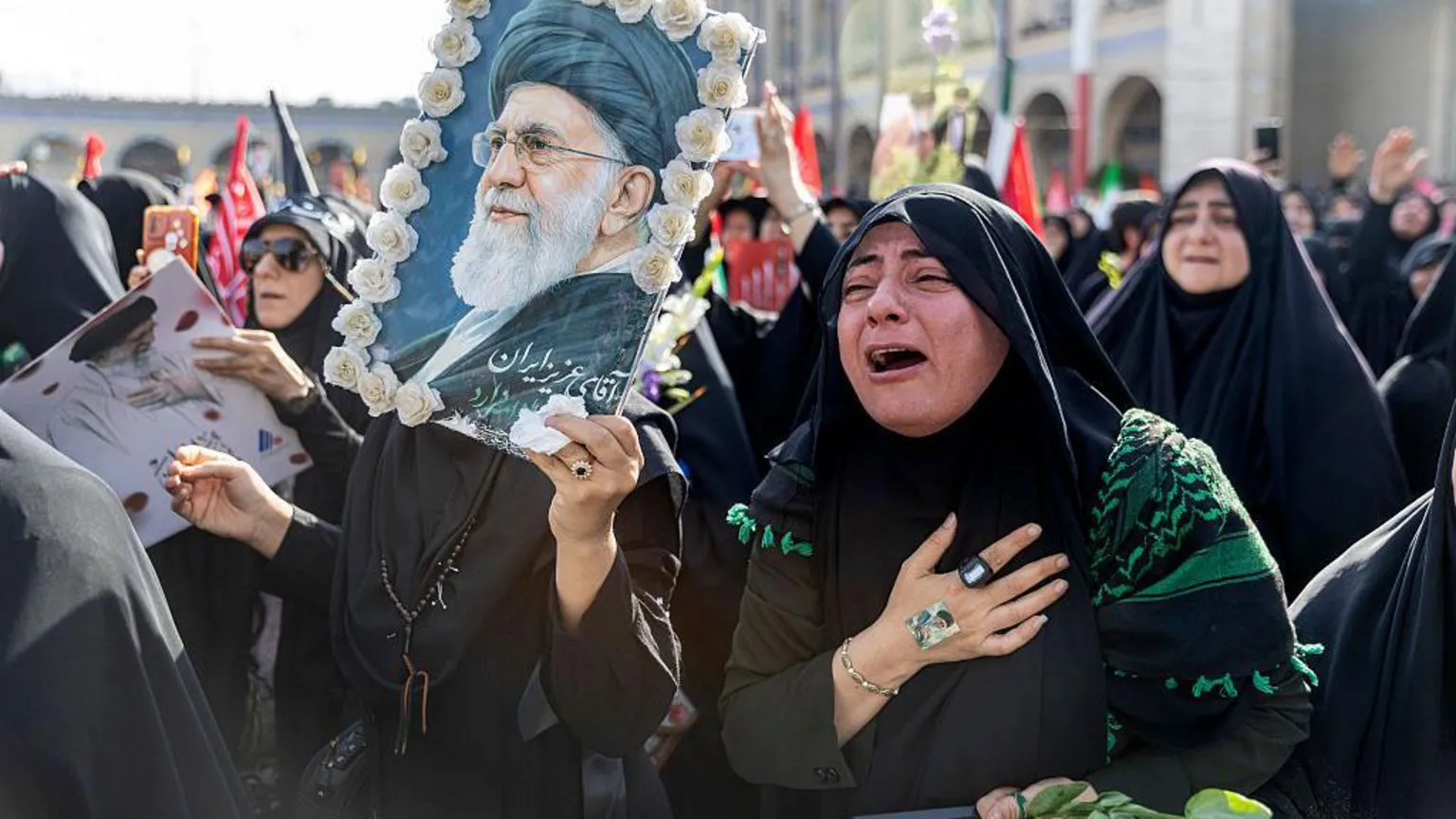
Iran is witnessing one of the most significant moments in its modern political history as millions of mourners gather to pay their final respects to the late Supreme Leader Ayatollah Ali Khamenei. The large-scale funeral ceremonies have become more than a national farewell—they represent a pivotal chapter in Iran’s political transition. One development has particularly captured worldwide attention: the absence of Iran’s current Supreme Leader, Mojtaba Khamenei.
As senior political leaders, military commanders, religious scholars, and members of the Khamenei family attend the ceremonies, observers are closely analyzing what Mojtaba Khamenei’s absence could mean for Iran’s leadership and regional stability. Taking place amid ongoing tensions in the Middle East, the funeral has become a defining event with political, diplomatic, and religious significance.
Why Mojtaba Khamenei’s Absence Has Become a Global Talking Point
The most discussed aspect of the funeral has been the absence of Supreme Leader Mojtaba Khamenei, who succeeded his father earlier this year following Ali Khamenei’s death.
Despite the attendance of senior government officials, Revolutionary Guard commanders, religious authorities, and Ali Khamenei’s other sons—Masoud, Mostafa, and Meysam—Mojtaba Khamenei has remained out of public view.
His continued absence has fueled widespread speculation because he has not appeared publicly since assuming Iran’s highest office. Reports circulating in recent months suggested he may have been injured during military strikes targeting senior Iranian leadership, although no official confirmation has been issued.
In a country where symbolism carries enormous political weight, the absence of the nation’s highest authority during such a historic ceremony naturally attracts international attention.
Millions Expected to Attend One of Iran’s Largest Funeral Ceremonies
Iranian authorities estimate that between 12 and 20 million people could participate in funeral events taking place across several cities throughout the week.
The late supreme leader’s body is currently lying in state at Tehran’s Grand Mosalla religious complex, where thousands continue to gather for prayers and final respects before nationwide funeral processions continue.
The funeral extends beyond Tehran, reflecting both Iran’s political structure and the importance of Shia religious centers.
| Funeral Stage | Location | Purpose |
|---|---|---|
| Public Farewell | Grand Mosalla, Tehran | Public mourning and religious prayers |
| Main Procession | Tehran | National funeral procession |
| Religious Ceremony | Qom | Tribute at Iran’s leading Shia religious center |
| Regional Commemoration | Iraq | Religious remembrance ceremonies |
| Final Burial | Mashhad | Burial in Khamenei’s hometown |
Who Was Ayatollah Ali Khamenei?
Ali Khamenei served as Iran’s Supreme Leader from 1989 until his death, making him one of the country’s longest-serving and most influential political figures.
As Supreme Leader, he held ultimate authority over Iran’s armed forces, judiciary, intelligence agencies, and major strategic decisions. His role placed him above elected officials and gave him decisive influence over domestic and foreign policy.
Throughout his leadership, Iran experienced major geopolitical developments, including nuclear negotiations, international sanctions, regional conflicts, and evolving diplomatic relations.
The Funeral Takes Place Under Extraordinary Security
The funeral is being conducted under one of the largest security operations in recent Iranian history.
With millions expected to attend and numerous senior officials gathering in one place, authorities have deployed extensive security personnel, emergency medical teams, and crowd-management measures.
Medical stations have treated thousands of attendees suffering from dehydration, exhaustion, and heat-related illnesses as temperatures increased during outdoor ceremonies.
Officials have also warned about the dangers of overcrowding and urged mourners to follow designated routes throughout the procession.
Regional Tensions Continue Despite the Ceasefire
The funeral takes place against the backdrop of a fragile ceasefire following months of military confrontation involving Iran, Israel, and the United States.
Although active hostilities have paused, diplomatic negotiations remain uncertain, and all sides continue emphasizing military preparedness should talks fail.
This tense environment has increased global attention on every aspect of Iran’s leadership transition and national security.
Political Symbolism Beyond Religious Mourning
State funerals in Iran traditionally serve both religious and political purposes.
Public speeches, religious sermons, poetry recitations, banners, and chants often reinforce official narratives while expressing national sentiment regarding international affairs.
During the ceremonies, some mourners displayed slogans directed against the United States and Israel, highlighting the continued influence of regional tensions on domestic political expression.
These scenes illustrate how major public events in Iran often blend religious observance with broader political messaging.
Why the Funeral Matters Internationally
The funeral has become an event of global significance because Iran remains one of the Middle East’s most influential regional powers.
Political developments inside Iran affect energy markets, regional security, diplomatic negotiations, and broader geopolitical stability across the Middle East.
Leadership transitions in Tehran are therefore closely monitored by governments, international organizations, and financial markets around the world.
Challenges Facing Iran’s New Leadership
Following the death of Ayatollah Ali Khamenei, Iran enters a new phase marked by significant domestic and international challenges.
- Managing economic pressures and sanctions.
- Maintaining national political stability.
- Continuing nuclear negotiations.
- Balancing regional alliances.
- Responding to evolving security concerns.
- Strengthening diplomatic engagement where possible.
The new leadership must address these issues while maintaining continuity during a period of heightened international scrutiny.
A Defining Moment in Modern Iranian History
The funeral of Ayatollah Ali Khamenei represents far more than a state ceremony. It marks the conclusion of an era that shaped Iranian politics for more than three decades and the beginning of a new leadership chapter.
Mojtaba Khamenei’s absence has become one of the defining stories surrounding the event, adding uncertainty to an already complex political transition.
As the funeral procession continues from Tehran to Qom, Iraq, and finally Mashhad, attention will increasingly shift toward how Iran’s leadership manages domestic governance, regional diplomacy, and international relations in the years ahead.
Conclusion
The funeral ceremonies honoring Ayatollah Ali Khamenei stand among the most consequential events in Iran’s recent history. Millions of mourners, extraordinary security measures, and global media attention reflect the immense political and religious influence he held throughout his leadership.
Beyond the ceremonies themselves, the event offers insight into Iran’s evolving political landscape. The transition of leadership, ongoing regional tensions, and the unanswered questions surrounding Mojtaba Khamenei’s public absence ensure that the funeral will be remembered not only as a national farewell but also as a historic turning point for the Islamic Republic.
For breaking news and live news updates, like us on Facebook or follow us on Twitter and Instagram. Read more on Latest World on thefoxdaily.com.


COMMENTS 0