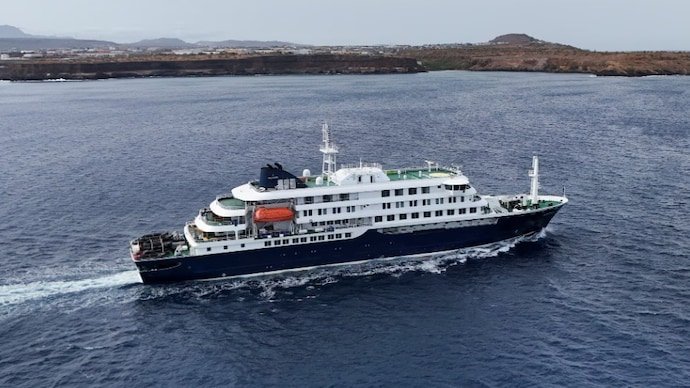
A cruise vacation is often associated with luxury, breathtaking scenery, and unforgettable experiences. However, a recent norovirus outbreak aboard Princess Cruises’ Ruby Princess has become a reminder that Infectious Diseases can spread rapidly in enclosed environments. During the vessel’s 20-day round-trip voyage from San Francisco to Alaska and Canada’s British Columbia, more than 120 passengers and crew members developed symptoms of norovirus, one of the world’s most contagious causes of gastroenteritis. The incident prompted enhanced sanitation measures, continuous monitoring by US health authorities, and extensive cleaning before the ship’s next voyage.
This outbreak has renewed public attention on cruise ship health protocols, the science behind norovirus transmission, and the practical steps travelers can take to reduce their risk. While outbreaks aboard cruise ships often make headlines, health experts emphasize that norovirus circulates widely in communities every year and can spread anywhere people gather in close quarters.
What Happened on the Ruby Princess?
The Ruby Princess departed San Francisco on June 12 for a 20-day cruise featuring multiple destinations across Alaska and British Columbia before returning to California as scheduled.
According to US health officials, the vessel carried approximately 3,032 passengers and 1,144 crew members. During the voyage:
- 102 passengers reported symptoms consistent with norovirus infection.
- 23 crew members also became ill.
- The illnesses occurred at different times throughout the journey rather than in a single wave.
- The cruise completed its itinerary without cancellation.
- The ship underwent comprehensive cleaning and disinfection upon returning to San Francisco.
Princess Cruises implemented enhanced sanitation procedures after the illnesses were reported, including isolating affected individuals, increasing cleaning frequency across public areas, collecting medical samples, and coordinating with federal health authorities.
Understanding Norovirus: Why It Spreads So Easily
Norovirus is one of the leading causes of acute gastroenteritis worldwide. Often referred to as the “stomach flu,” it is unrelated to influenza viruses and instead attacks the digestive system.
One of the reasons norovirus is particularly difficult to control is its remarkably low infectious dose. A person can become infected after exposure to only a very small number of viral particles. Once introduced into a shared environment, the virus can spread rapidly through contaminated hands, Food, water, surfaces, or direct contact with an infected person.
Unlike many respiratory viruses, norovirus can survive on hard surfaces for extended periods if they are not properly disinfected with effective cleaning agents.
Common Symptoms of Norovirus
Symptoms generally develop within 12 to 48 hours after exposure.
- Sudden vomiting
- Watery diarrhoea
- Nausea
- Stomach cramps
- Low-grade fever in some cases
- Muscle aches
- Fatigue
- Headache
Most healthy adults recover within one to three days. However, dehydration caused by vomiting and diarrhoea can become serious, particularly among older adults, infants, young children, and individuals with weakened immune systems.
Why Cruise Ships Are More Vulnerable to Norovirus Outbreaks
Cruise ships represent unique environments where thousands of people share dining facilities, Entertainment venues, elevators, swimming pools, railings, and common recreational areas over several days or weeks.
These conditions do not necessarily make cruise ships unsafe, but they do increase opportunities for infectious diseases to spread once introduced onboard.
Factors that contribute include:
- High passenger density
- Shared buffet and dining facilities
- Frequent hand contact with common surfaces
- Close social interaction
- Passengers arriving from different countries and regions
- Continuous movement through enclosed indoor spaces
Because cruises involve international travel, even a single infected individual boarding the ship before symptoms appear may unintentionally introduce the virus to others.
How Norovirus Is Transmitted
Health experts identify several major transmission routes.
| Transmission Method | How It Happens |
|---|---|
| Contaminated food | Food handled by infected individuals or exposed to contaminated surfaces. |
| Contaminated water | Consumption of unsafe drinking water or ice. |
| Person-to-person contact | Direct interaction with someone carrying the virus. |
| Contaminated surfaces | Touching infected objects and then touching the mouth. |
| Aerosolized particles | Tiny particles released during vomiting can contaminate nearby surfaces. |
Because multiple transmission pathways exist, outbreaks require aggressive cleaning and rapid isolation measures to prevent further spread.
How Princess Cruises Responded
Once gastrointestinal illnesses were identified onboard, Princess Cruises activated enhanced outbreak response protocols.
- Isolation of symptomatic passengers and crew.
- Expanded cleaning and disinfecting schedules.
- Laboratory sample collection.
- Coordination with federal Public health authorities.
- Comprehensive sanitation before the next scheduled voyage.
The cruise line completed the voyage as planned while continuing medical monitoring throughout the trip.
The Role of the CDC’s Vessel Sanitation Program
The US Centers for Disease Control and Prevention operates the Vessel Sanitation Program (VSP), which monitors gastrointestinal illness aboard cruise ships visiting US ports.
The program focuses on:
- Routine ship inspections.
- Food safety practices.
- Water quality management.
- Disease outbreak reporting.
- Public health investigations.
- Sanitation guidance for cruise operators.
When outbreaks exceed reporting thresholds, cruise operators must notify the CDC, which may monitor the response remotely or conduct additional investigations depending on the situation.
Norovirus by the Numbers
Although cruise ship outbreaks receive widespread media attention, they account for only a small percentage of total norovirus infections globally.
Public health research consistently shows that norovirus is among the leading causes of foodborne illness worldwide. Millions of infections occur annually, with schools, hospitals, nursing homes, restaurants, hotels, childcare facilities, and households experiencing outbreaks every year.
Cruise ships attract greater public attention because outbreaks occur in highly visible settings where thousands of travelers are temporarily living together.
Simple Prevention Measures That Actually Work
Medical experts recommend practical hygiene habits rather than relying solely on hand sanitizers.
Wash Hands Properly
Soap and water remain the most effective defense against norovirus. Hands should be washed thoroughly before eating, after using the restroom, and after touching frequently used public surfaces.
Be Cautious at Self-Service Buffets
Although cruise operators maintain strict food safety standards, travelers should use serving utensils properly and avoid touching food directly.
Avoid Traveling While Sick
Passengers experiencing vomiting or diarrhoea before departure should postpone travel whenever possible to reduce the risk of spreading infection.
Report Symptoms Early
Prompt reporting allows onboard medical teams to provide treatment and helps reduce transmission through timely isolation.
Stay Hydrated
The greatest medical concern associated with norovirus is dehydration. Drinking fluids and replacing lost electrolytes is essential during recovery.
How Cruise Companies Have Improved Outbreak Response
Modern cruise operators have significantly strengthened health protocols over the past decade. Lessons learned from gastrointestinal outbreaks and the COVID-19 pandemic have accelerated investments in sanitation Technology, medical preparedness, staff training, and disease surveillance.
Many ships now employ:
- Enhanced environmental cleaning schedules.
- Rapid outbreak response teams.
- Improved onboard medical facilities.
- Digital health reporting systems.
- More extensive crew hygiene training.
- Closer collaboration with public health agencies.
These measures cannot eliminate every outbreak but substantially improve the industry’s ability to contain illnesses quickly.
Comparison: Norovirus vs. Food Poisoning vs. Influenza
| Condition | Main Cause | Typical Symptoms | Duration |
|---|---|---|---|
| Norovirus | Highly contagious virus | Vomiting, diarrhoea, nausea, stomach cramps | 1–3 days |
| Food Poisoning | Bacteria or toxins | Vomiting, diarrhoea, fever depending on organism | Several hours to several days |
| Influenza | Respiratory virus | Fever, cough, sore throat, body aches | Several days to two weeks |
Understanding these differences helps travelers recognize symptoms and seek appropriate medical care when necessary.
Why This Outbreak Matters Beyond One Cruise
The Ruby Princess incident highlights the ongoing importance of public health preparedness in global tourism. As international travel continues to grow, transportation hubs, cruise terminals, airports, and hospitality venues must maintain robust sanitation standards to minimize disease transmission.
The event also reinforces the value of transparent reporting systems. By requiring cruise operators to report outbreaks, health authorities can identify patterns, improve prevention strategies, and strengthen future responses.
Perhaps the most important takeaway is that personal hygiene remains one of the strongest defenses against infectious diseases. Even advanced sanitation technologies cannot replace proper handwashing and responsible behavior when symptoms appear.
Future Outlook
Norovirus is expected to remain one of the most common causes of gastrointestinal illness worldwide because of its high transmissibility and ability to survive in the environment. As cruise tourism continues to expand, operators are likely to invest further in advanced sanitation technologies, rapid diagnostic capabilities, and enhanced passenger health education.
Future outbreak management may increasingly incorporate real-time health monitoring, improved onboard infection surveillance, and faster laboratory testing to identify cases earlier and reduce transmission.
Conclusion
The norovirus outbreak aboard the Ruby Princess demonstrates both the challenges and the effectiveness of modern public health responses in the cruise industry. While more than 120 passengers and crew experienced illness during the Alaska and Canada voyage, coordinated action by Princess Cruises and health authorities helped manage the situation while allowing the ship to complete its itinerary.
For travelers, the incident serves as a valuable reminder that infectious diseases can occur in any crowded environment not just aboard cruise ships. Practicing good hand hygiene, reporting symptoms promptly, staying hydrated, and following health guidance remain the most effective ways to reduce personal risk. As the cruise industry continues strengthening sanitation and disease surveillance, informed passengers will remain an essential part of preventing future outbreaks and ensuring safer travel experiences worldwide.
For breaking news and live news updates, like us on Facebook or follow us on Twitter and Instagram. Read more on Latest World on thefoxdaily.com.

COMMENTS 0