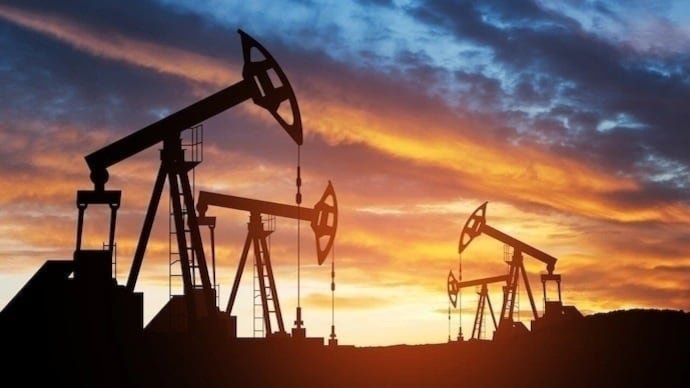
The world’s biggest oil companies are preparing to report what analysts expect will be one of their strongest quarters in recent years, driven by the prolonged Iran war and the resulting disruption to global energy supplies. As the conflict entered its sixth month, restrictions on shipping through the Strait of Hormuz tightened global crude availability, sending benchmark Oil prices sharply higher and significantly improving the earnings outlook for integrated energy companies.
Companies including Exxon Mobil and Chevron are expected to benefit from elevated crude prices, stronger refining margins and higher demand for petroleum products. However, the anticipated surge in profits is also reigniting political debate over windfall earnings, as households and businesses continue to bear the burden of higher fuel and transportation costs.
Why the Iran War Is Reshaping Global Oil Markets
The Strait of Hormuz remains one of the world’s most strategically important maritime chokepoints. Before the conflict intensified, roughly one-fifth of global oil and liquefied natural gas exports passed through this narrow waterway connecting the Persian Gulf with international markets.
Disruptions to tanker traffic have reduced available supplies, forcing energy markets to price in significant geopolitical risk. As uncertainty grew, Brent crude climbed from around $70 per barrel to above $100 for much of the April-June quarter, briefly touching approximately $126 per barrel.
Higher crude prices immediately translated into increased costs for refined fuels such as petrol, diesel, aviation fuel and industrial feedstocks.
Why Exxon and Chevron Are Expected to Benefit
Integrated oil companies operate across multiple segments of the energy value chain, including exploration, production, transportation, refining and fuel marketing.
When crude prices rise sharply during supply shortages, these companies often benefit from multiple revenue streams simultaneously.
Key earnings drivers during the second quarter include:
- Higher global crude oil prices.
- Improved refining margins.
- Strong diesel and jet fuel demand.
- Increased value of existing production.
- Tighter global fuel inventories.
Unlike companies focused solely on oil production, integrated majors can also profit from refining crude into higher-value petroleum products.
Understanding Refining Margins: Why Refiners Are Earning More
One of the biggest contributors to expected earnings growth is the dramatic expansion in refining margins, commonly known in the energy industry as crack spreads.
A crack spread represents the difference between the cost of purchasing crude oil and the value of fuels produced from refining it.
During normal market conditions, refining margins typically remain within moderate ranges. However, conflict-driven supply disruptions have significantly increased the profitability of refining operations.
| Market Indicator | Normal Conditions | Current Market |
|---|---|---|
| Brent crude price | Around $70 per barrel | Above $100 during much of Q2 |
| Typical refining margin | $20–25 per barrel | Approximately $50–60 per barrel |
| Fuel availability | Stable | Constrained in several regions |
These elevated refining margins have substantially increased profitability for companies with large refinery networks.
How Consumers Are Feeling the Impact
While energy producers are expected to benefit financially, consumers around the world continue to face rising living costs driven by higher fuel prices.
Increased petroleum prices have affected:
- Private vehicle fuel expenses.
- Airline ticket prices.
- Freight and logistics costs.
- Public transportation.
- Manufacturing input costs.
- Agricultural production expenses.
Because energy is a fundamental input across nearly every sector of the economy, sustained increases in fuel prices often contribute to broader inflation.
Global Supply Disruptions Extend Beyond Fuel Stations
The effects of constrained oil supplies have extended well beyond retail fuel markets.
Several countries have experienced temporary supply shortages, while others have introduced conservation measures to manage limited fuel availability.
Higher diesel prices have also affected sectors such as agriculture, mining, shipping and construction, all of which rely heavily on petroleum-based transportation.
Businesses facing increased transportation expenses often pass those costs on to consumers, contributing to rising prices across a wide range of goods and services.
Political Debate Over Windfall Profits Intensifies
The anticipated earnings growth among major oil companies has revived discussions in several countries about taxing extraordinary profits generated during periods of geopolitical instability.
Some policymakers argue that exceptionally high earnings resulting from supply shocks should partially support consumers facing higher energy bills.
Supporters of windfall profit taxes believe such measures could help:
- Reduce pressure on household budgets.
- Fund consumer energy rebates.
- Support low-income families.
- Offset inflationary pressures.
Critics, however, argue that additional taxation could discourage long-term Investment in energy infrastructure and future production capacity.
Why Oil Prices Have Increased So Rapidly
Oil markets respond not only to current production levels but also to expectations about future supply risks.
Several factors have contributed to the recent surge:
- Reduced shipping through the Strait of Hormuz.
- Geopolitical uncertainty.
- Higher insurance costs for oil tankers.
- Disruptions to regional refining capacity.
- Growing demand for refined fuels.
Even modest disruptions to major export routes can significantly affect global benchmark prices because oil is traded within a highly interconnected international market.
Regional Winners and Losers
The conflict has not affected every producer equally.
Companies with production assets located outside the Gulf region have generally been better positioned to benefit from higher prices because their output has continued reaching international markets.
Conversely, producers operating inside conflict-affected areas face several challenges despite elevated prices.
| Beneficiaries | Challenges |
|---|---|
| Integrated oil majors with global production | Higher transportation costs for Gulf producers |
| Refineries with secure crude supplies | Export disruptions |
| Companies with diversified operations | Infrastructure damage in conflict zones |
| Producers outside affected shipping routes | Security risks and logistical delays |
Why Refining Capacity Matters More Than Ever
One notable feature of the current energy market is that refining capacity has become almost as valuable as crude production itself.
Refineries able to secure adequate crude supplies are benefiting from strong demand for:
- Diesel.
- Jet fuel.
- Gasoline.
- Marine fuels.
At the same time, damage to some refining facilities in conflict-affected regions has reduced global processing capacity, further strengthening margins for operational refineries elsewhere.
Broader Economic Implications
Persistently high energy prices influence much more than household fuel bills.
Expensive oil can contribute to:
- Higher inflation.
- Slower economic growth.
- Rising transportation costs.
- More expensive food production.
- Increased manufacturing expenses.
- Greater pressure on central bank policy.
Energy markets therefore remain a critical indicator for investors, businesses and policymakers monitoring the global economic outlook.
Timeline of Recent Energy Market Developments
| Period | Key Development |
|---|---|
| Conflict escalation | Shipping through the Strait of Hormuz disrupted. |
| March–May | Brent crude traded above $100 per barrel for extended periods. |
| Second quarter | Refining margins expanded sharply. |
| Current period | Major oil companies prepare to report stronger quarterly earnings. |
What Investors Will Watch in Earnings Reports
Beyond headline profit figures, investors are expected to focus on several key indicators when Exxon Mobil, Chevron and other energy companies release their quarterly results.
- Upstream production growth.
- Refining profitability.
- Capital expenditure plans.
- Cash flow generation.
- Dividend and share buyback announcements.
- Management outlook on oil markets.
Executives’ comments regarding supply risks, future investment and geopolitical uncertainty may prove just as influential as reported earnings.
Future Outlook
The outlook for global oil markets remains closely tied to geopolitical developments in West Asia. If shipping disruptions through the Strait of Hormuz continue, energy prices may remain elevated, supporting strong earnings for integrated oil companies while increasing inflationary pressure on importing economies.
Conversely, any significant diplomatic breakthrough that restores normal shipping could improve global supply conditions and ease upward pressure on crude prices. Until then, volatility is expected to remain a defining feature of international energy markets.
Conclusion
The second-quarter earnings season is expected to demonstrate how geopolitical conflict can rapidly reshape global commodity markets. Companies such as Exxon Mobil and Chevron appear well positioned to benefit from higher crude prices and exceptional refining margins, while consumers worldwide continue to absorb the impact through more expensive fuel, transportation and everyday goods.
The contrast between record corporate earnings and rising household energy costs is likely to keep oil company profits under political and public scrutiny. As the Iran conflict continues to influence global supply chains, both investors and policymakers will be watching closely to see whether elevated energy prices become a prolonged economic challenge or begin to stabilize in the months ahead.
For breaking news and live news updates, like us on Facebook or follow us on Twitter and Instagram. Read more on Latest World on thefoxdaily.com.





COMMENTS 0