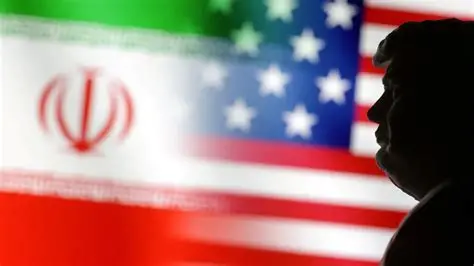
Iranian President Masoud Pezeshkian has defended the country’s memorandum of understanding with the United States as the best available route out of a prolonged diplomatic and military deadlock, even as the wider Middle East remains under severe strain.
In remarks published by Iran‘s state-run IRNA on Sunday, Pezeshkian described the country as being caught in a situation of “neither war nor peace” and argued that the agreement does not amount to surrender. His comments come after the memorandum’s 60-day negotiating period expired without producing the broader settlement that Washington and Tehran had hoped to reach.
The central disputes remain deeply consequential. Iran wants sanctions and the US naval blockade eased and has tied the reopening of the Strait of Hormuz to changes in Washington’s approach. The United States, meanwhile, continues to use economic pressure to push Tehran toward an agreement that addresses its nuclear programme and the wider conflict.
At the same time, the diplomatic stalemate is unfolding alongside renewed violence elsewhere in the region. Iran carried out an execution in a case connected by its judiciary to the January protests, while an Israeli airstrike in Gaza killed a four-year-old child and violence continued in the occupied West Bank.
The combination of stalled diplomacy, economic pressure and continuing regional violence means Pezeshkian’s endorsement of the memorandum is about more than the wording of one agreement. It reflects the increasingly difficult choices facing Tehran as it tries to find an exit from the conflict without appearing to surrender its strategic positions.
Why Pezeshkian is defending the US-Iran memorandum
Pezeshkian said there was nothing in the agreement that amounted to capitulation and argued that the memorandum represented the best path available to break the current deadlock.
“There is not a single provision in this agreement that amounts to capitulation,” he said, adding that Iran’s Supreme Leader determines national policy and that the government would follow that direction.
His comments are significant because the memorandum has failed to produce the final agreement originally envisioned when it was signed in June. The 60-day period was intended to provide time for Washington and Tehran to negotiate an accord addressing the conflict and Iran’s nuclear programme.
Instead, the two sides became increasingly divided over implementation, particularly over the status of the Strait of Hormuz.
The agreement therefore remains important as a diplomatic framework, but it has not delivered the breakthrough that either side initially sought.
The 60-day deadline expired without a final settlement
The memorandum was designed to create a limited period for negotiations rather than permanently resolve every dispute immediately.
It included provisions connected to ending hostilities and reopening the Strait of Hormuz, while giving the two sides time to work toward a broader agreement concerning Iran’s nuclear programme and sanctions.
That negotiating window has now expired without a comprehensive settlement. Recent reporting has confirmed that the agreement’s implementation broke down amid disagreements over the strait and other commitments. :contentReference[oaicite:0]{index=0}
The expiration of the deadline does not necessarily mean diplomacy is impossible. But it removes one of the clearest mechanisms previously available to the two governments and leaves them facing a more complicated question: how to restart negotiations when neither side appears ready to accept the other’s conditions.
For Pezeshkian, continuing to defend the memorandum keeps open a diplomatic option that could potentially reduce economic pressure and end the conflict. For critics inside Iran, however, any agreement with Washington can be judged against concerns about sovereignty, security and concessions.
The Strait of Hormuz remains the biggest obstacle
The Strait of Hormuz has become the most difficult issue in the negotiations because its importance extends far beyond Iran and the United States.
The narrow waterway connects the Persian Gulf with the Gulf of Oman and is one of the world’s most important routes for oil and liquefied natural gas shipments. Disruption has already affected international energy flows and added to uncertainty in global markets.
Under the June memorandum, the two sides had sought to restore commercial shipping through the strait. But Iran subsequently maintained that reopening the waterway depended on Washington meeting conditions related to sanctions, the naval blockade and military operations. Reuters reported that Iran has continued to insist that the strait will remain closed until those conditions are addressed. :contentReference[oaicite:1]{index=1}
The disagreement is fundamental.
From Washington’s perspective, reopening Hormuz is an essential part of restoring normal international commerce. From Tehran’s perspective, the waterway has become a bargaining instrument and a point of leverage against the blockade and sanctions.
As long as the two sides disagree over WHO should act first, the broader agreement remains difficult to revive.
Economic pressure is shaping Tehran’s calculations
Pezeshkian’s support for the memorandum also has an economic dimension.
Iran has been under intense pressure from sanctions, restrictions on trade and the effects of the conflict. The president said the country could not attract the investment it needs while remaining trapped in the current state of “neither war nor peace.”
That argument highlights an important distinction between military endurance and economic sustainability.
A government can maintain a military position while its economy continues to weaken. But prolonged sanctions, restricted energy exports, reduced investment and disrupted shipping can gradually affect government finances, industrial production and household living standards.
For Iran, easing those pressures would require some form of diplomatic breakthrough. That makes negotiations economically important even when political differences remain unresolved.
The memorandum therefore offers Tehran something it cannot obtain through military pressure alone: a potential pathway toward Sanctions Relief and renewed economic activity.
Iran’s security establishment is taking a harder line
The diplomatic position represented by Pezeshkian is unfolding alongside tougher rhetoric from Iran’s security establishment.
Iran’s newly appointed senior security officials have warned neighbouring countries against supporting US efforts to impose additional pressure on Tehran. The message reflects concern that Washington could expand its sanctions campaign by targeting countries and companies that continue doing Business with Iran.
Recent developments show the contradiction within Tehran’s strategic position. The political leadership is keeping diplomacy alive, while security officials are warning that Iran will retaliate if outside governments assist the US pressure campaign.
That does not necessarily mean Iran has abandoned negotiations. Instead, it demonstrates the narrow space in which the government is operating.
Pezeshkian needs a diplomatic route that can improve Iran’s economic position, while Iran’s security establishment wants to ensure that negotiations do not weaken the country’s military and strategic leverage.
An execution adds to internal pressure in Iran
The external conflict has also coincided with continued domestic tension.
Iranian judiciary-linked Mizan news agency reported Sunday that Majid Adineh, who was arrested during the January unrest, had been executed.
According to the Iranian judiciary’s account, Adineh was arrested on January 9 in Mohammadshahr near Karaj. Authorities said he was carrying a handgun, ammunition and other equipment when he was detained. The judiciary also alleged that forensic examinations showed the firearm had been discharged around the time of his arrest.
Iranian authorities accused him of carrying out operations on behalf of Israel, the United States and other groups considered hostile to Iran. His case was prosecuted under Iran’s national-security laws, and the death sentence was carried out after the conviction was upheld.
Independent verification of allegations made in such security cases can be difficult, particularly when the principal evidence comes from state authorities. The execution nevertheless demonstrates that Tehran continues to respond harshly to cases it associates with internal unrest and alleged foreign involvement.
That domestic posture is relevant to the wider diplomatic picture. The government is attempting to negotiate externally while simultaneously demonstrating internally that it will not tolerate activity it regards as a threat to National Security.
Gaza violence shows the conflict is still regional
While Washington and Tehran remain locked in negotiations, violence continues elsewhere in the Middle East.
In Gaza, a four-year-old child, Mohammed Taha, was killed in an Israeli airstrike on a house in Zawaida, according to the Al-Aqsa Martyrs Hospital. The hospital said several other people, including another child, were wounded.
Residents said they received an Israeli military evacuation warning shortly before the strike. The Israeli military had not immediately commented on the specific incident in the supplied account.
The incident illustrates how fragile the broader regional security environment remains despite the reduction in the most intense phase of fighting following the ceasefire.
Israeli Defence Minister Israel Katz also ordered the military to act against balloons, kites and drones launched from Gaza toward Israeli communities near the border. Israeli authorities have linked such launches to security threats and have described them as hostile acts.
The continuing incidents demonstrate that a ceasefire can reduce the intensity of a conflict without eliminating the underlying security confrontation.
West Bank violence adds another layer of instability
The occupied West Bank also saw fresh violence on Sunday.
A Palestinian man was reportedly beaten by an Israeli settler outside his home, while the Israeli military said it was searching for a suspect following a separate stabbing incident.
These incidents are significant because the West Bank remains a separate but closely connected pressure point in the Israeli-Palestinian conflict.
Continued settler violence, Palestinian attacks and Israeli military operations can quickly increase tensions even when fighting in Gaza is less intense.
For governments across the region, this means that resolving one conflict does not automatically produce regional stability. Iran’s confrontation with the United States is connected to a broader Middle Eastern security environment in which Gaza, the West Bank, Lebanon, the Gulf and shipping routes can all influence one another.
Why the memorandum still matters to Iran
The most important question is why Pezeshkian continues to defend an agreement that has already failed to deliver a final settlement.
The answer lies in the alternatives.
Iran can continue the confrontation, maintain pressure on the Strait of Hormuz and endure sanctions. It can also attempt to return to negotiations and use the existing memorandum as a starting point.
The second option offers a potential route toward economic relief without requiring Tehran to abandon its stated strategic objectives.
The memorandum also provides a diplomatic framework that can potentially be modified or extended if both sides decide that a negotiated settlement is preferable to renewed escalation.
Recent reports indicate that efforts to revive negotiations have continued, including diplomatic contacts involving regional intermediaries. That suggests the diplomatic channel has not completely disappeared despite the breakdown of the original timetable.
The nuclear issue remains at the centre of any lasting deal
The Strait of Hormuz may be the most visible dispute, but Iran’s nuclear programme remains one of the fundamental issues behind the negotiations.
A durable US-Iran agreement would need to address Washington’s concerns about Iran’s nuclear activities while providing Tehran with enough economic and political incentives to accept restrictions or verification arrangements.
That is considerably more difficult than negotiating a temporary ceasefire.
The nuclear question involves technical verification, sanctions, international commitments and long-term trust. Years of confrontation have made each side deeply suspicious of the other’s intentions.
Any future agreement will therefore have to answer two separate questions: what Iran is willing to accept regarding its nuclear programme, and what the United States is prepared to offer in exchange.
What could happen next?
The next phase of the US-Iran confrontation is likely to depend on whether diplomacy can be restarted before military and economic pressure pushes both sides toward further escalation.
Several issues will be particularly important.
- Strait of Hormuz: Any meaningful restoration of commercial shipping could provide an opening for broader negotiations.
- Sanctions: Tehran is seeking relief from economic restrictions, while Washington is using sanctions as leverage.
- Nuclear negotiations: A long-term settlement will need to address Iran’s nuclear programme.
- Regional security: Violence in Gaza, the West Bank and other areas could complicate attempts to contain the wider conflict.
- Domestic pressure: Iran’s economic conditions and internal security concerns will influence how much room the government has for compromise.
If both sides return to the negotiating table, the June memorandum could provide a framework for renewed discussions. If diplomacy remains stalled, the economic and military confrontation could become harder to contain.
Pezeshkian is arguing for an exit, but Iran’s options remain narrow
Pezeshkian’s latest remarks reveal the central dilemma confronting Iran.
Tehran wants to preserve its sovereignty and strategic leverage while escaping the economic consequences of prolonged conflict. Washington wants to use economic and military pressure to force concessions, particularly on the nuclear issue and regional security.
The memorandum offered a possible bridge between those positions, but the 60-day negotiating period expired without resolving the fundamental disputes.
That does not make the agreement irrelevant. On the contrary, its framework could become the starting point for another diplomatic effort if both governments conclude that continued confrontation is too costly.
For now, however, the situation remains precarious. Iran is facing economic pressure, the Strait of Hormuz remains a central flashpoint, and violence elsewhere in the region continues to complicate diplomacy.
Pezeshkian’s decision to publicly defend the memorandum signals that Tehran still sees negotiation as a possible way out. Whether Washington and Iran can turn that opening into a new agreement will depend on one issue above all: whether either side is willing to make enough concessions to break the deadlock without believing it has surrendered.
For breaking news and live news updates, like us on Facebook or follow us on Twitter and Instagram. Read more on Latest World on thefoxdaily.com.




COMMENTS 0