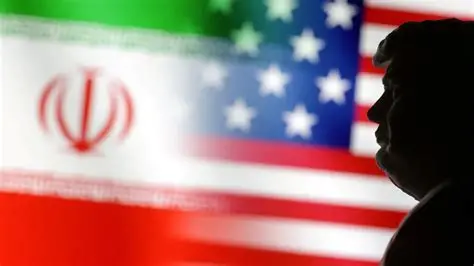
The latest round of US-Iran negotiations has exposed a familiar reality of Middle East Diplomacy: even when both sides remain at the negotiating table, they often leave with completely different interpretations of what was agreed. The newest flashpoint centers on whether Iran has accepted future international inspections of nuclear facilities damaged during recent military operations.
While American officials have projected optimism and suggested progress is being made, Iranian leaders have publicly challenged key elements of Washington’s narrative. The disagreement has emerged at a critical moment when negotiators are simultaneously attempting to address nuclear concerns, regional security, Sanctions Relief, maritime stability in the Strait of Hormuz, and the increasingly fragile ceasefire environment in Lebanon.
The stakes extend far beyond the two countries involved. Global energy markets, international shipping networks, regional governments, and major world powers are all closely watching the outcome. What happens next could determine whether the region moves toward gradual stabilization or returns to a cycle of confrontation that has repeatedly disrupted Global Security and economic confidence.
Why Nuclear Inspections Remain the Core Issue
At the center of the dispute is a longstanding question: how can the international community verify Iran’s nuclear activities while Iran protects what it views as its sovereign rights and National Security interests?
For years, international monitoring has served as the foundation of nuclear diplomacy. Verification mechanisms allow inspectors to confirm whether nuclear programs remain peaceful and whether enrichment activities comply with agreed limits.
In the current negotiations, however, disagreement has emerged over access to facilities that were previously targeted during military operations. Washington has indicated that Iran has shown willingness to permit inspections, while Tehran insists no such inspection arrangements have been finalized.
This divergence is significant because verification is often considered the currency of trust in nuclear diplomacy. Without credible inspection systems, sanctions relief becomes politically difficult for Western governments to justify. Conversely, Iran argues that excessive monitoring can become a tool for political pressure rather than a genuine confidence-building measure.
The dispute illustrates a broader challenge. Even when negotiations produce progress behind closed doors, public messaging frequently reflects domestic political needs rather than diplomatic consensus.
The Strategic Importance of the Strait of Hormuz
Although nuclear issues dominate headlines, maritime security may ultimately prove just as important.
The Strait of Hormuz remains one of the world’s most strategically significant waterways. A substantial share of globally traded oil and liquefied natural gas passes through this narrow maritime corridor connecting the Persian Gulf to international markets.
Any disruption immediately attracts global attention because it can affect:
- Energy prices
- Shipping insurance costs
- Global supply chains
- Inflation expectations
- Investor sentiment
The recent discussions involving maritime authorities, regional governments and international stakeholders demonstrate how critical uninterrupted navigation has become. Even temporary disruptions can create uncertainty in commodity markets and increase transportation costs worldwide.
For major energy-importing countries, including India, China, Japan and several European nations, the stability of Hormuz is not merely a regional concern but an economic necessity.
One often overlooked aspect is that maritime security now extends beyond oil shipments. Modern supply chains depend on predictable shipping routes for industrial materials, consumer goods and agricultural products. As a result, keeping Hormuz open has become a global economic priority rather than simply an energy issue.
How Sanctions Relief Became Another Source of Friction
Economic restrictions remain one of the most powerful tools available to negotiators, but they are also among the most controversial.
Iran seeks greater access to financial resources and relief from restrictions that have constrained economic growth, investment and international trade. The United States, meanwhile, views sanctions relief as leverage that should only be granted in exchange for verifiable commitments.
The recent disagreement over how any released funds might be used highlights a deeper trust deficit.
American officials have suggested mechanisms that would guide spending toward specific imports and humanitarian needs. Iranian officials argue that such conditions would undermine their economic sovereignty.
The debate reflects a fundamental question that has challenged every previous round of negotiations: once sanctions are eased, who controls the benefits?
For Iran, unrestricted access demonstrates respect and normalisation. For Western governments, oversight mechanisms are viewed as safeguards against misuse.
Finding a compromise between these competing priorities will likely determine whether broader agreements can survive politically in both countries.
The Lebanon Factor: Why Regional Stability Matters
The nuclear dispute is unfolding against the backdrop of continuing tensions in Lebanon, where the ceasefire remains fragile despite diplomatic efforts.
Historically, US-Iran Relations have rarely been limited to nuclear questions alone. Regional conflicts often become intertwined with negotiations, creating a complex web of interconnected issues.
Lebanon represents one of the clearest examples of this reality.
Even limited clashes have the potential to derail diplomatic momentum because they influence political calculations in Washington, Tehran, Jerusalem and other regional capitals. A single escalation can alter public opinion, strengthen hardline voices and reduce the political space available for compromise.
The challenge facing mediators is that ceasefires require constant maintenance. Agreements may halt active fighting, but underlying disputes often remain unresolved.
This means negotiators must simultaneously manage immediate security concerns while attempting to create frameworks for longer-term stability.
| Negotiation Issue | Primary Objective | Main Challenge |
|---|---|---|
| Nuclear Inspections | Verification and transparency | Disagreement over inspection access |
| Sanctions Relief | Economic normalization | Control and oversight of released funds |
| Strait of Hormuz | Secure maritime navigation | Regional security threats |
| Lebanon Ceasefire | Prevent renewed conflict | Fragile enforcement mechanisms |
| Regional Dialogue | Long-term stability | Deep mistrust among stakeholders |
What Makes These Talks Different From Previous Negotiations?
Several factors distinguish the current negotiations from earlier diplomatic efforts.
First, the geopolitical landscape has changed significantly. Regional powers are increasingly pursuing pragmatic economic and security partnerships even while maintaining strategic rivalries. This creates incentives for stability that did not exist to the same extent a decade ago.
Second, global energy markets have become more sensitive to geopolitical disruptions. Governments around the world are keenly aware that regional instability can quickly affect inflation, growth forecasts and consumer confidence.
Third, technological advancements in nuclear monitoring, intelligence gathering and surveillance have altered the verification debate. Modern inspection discussions are no longer limited to physical site visits but increasingly involve broader monitoring frameworks.
Finally, domestic political pressures in both Washington and Tehran remain intense. Leaders on both sides must demonstrate strength to their audiences while simultaneously pursuing diplomacy.
This balancing act often produces public statements that appear contradictory even when private negotiations continue.
The Economic Impact Beyond the Middle East
One of the most underestimated aspects of US-Iran diplomacy is its influence on the Global Economy.
Energy markets react quickly to developments involving Iran because of the country’s strategic position and resource base. Even speculation about potential agreements or renewed tensions can affect crude oil prices.
Lower geopolitical risk generally supports:
- More stable energy prices
- Reduced shipping costs
- Improved investor confidence
- Greater trade predictability
- Stronger business sentiment
Conversely, uncertainty tends to increase market volatility.
For emerging economies, stable energy markets are particularly important because fuel costs influence transportation, manufacturing and inflation. A successful diplomatic process could therefore generate benefits extending far beyond the Middle East.
Financial markets have increasingly viewed regional stability as a key variable affecting global growth prospects. This explains why investors closely monitor even seemingly minor developments in negotiations.
A Comparison With Earlier Nuclear Diplomacy Efforts
Previous nuclear agreements largely focused on technical questions such as enrichment levels, centrifuge numbers and inspection schedules.
Today’s negotiations appear broader in scope.
Instead of concentrating exclusively on nuclear issues, negotiators are discussing interconnected subjects including sanctions, shipping routes, reconstruction efforts and regional security arrangements.
This wider agenda offers both advantages and risks.
On one hand, addressing multiple issues simultaneously can create opportunities for compromise. Progress in one area may encourage flexibility in another.
On the other hand, broader negotiations create more potential points of disagreement. A setback on maritime security or regional conflict could undermine progress on nuclear matters.
The result is a diplomatic process that is potentially more comprehensive but also more vulnerable to disruption.
The Missing Ingredient: Trust
Despite extensive discussions about inspections, sanctions and ceasefires, the central challenge remains trust.
Decades of confrontation have produced deep skepticism on both sides. Each government worries that concessions could be interpreted as weakness or exploited by the other party.
This explains why disagreements over public messaging matter so much.
When one side claims progress and the other disputes it, observers often focus on the contradiction itself. Yet the deeper issue is that both sides continue to question each other’s intentions.
Building trust in such an environment is a gradual process rather than a single diplomatic breakthrough.
Successful negotiations typically require incremental confidence-building measures that demonstrate reliability over time.
Whether the current process can achieve that remains uncertain.
An Overlooked Insight: The Shift Toward Crisis Management
A notable trend emerging from the latest talks is the growing emphasis on crisis management rather than grand diplomatic settlements.
Instead of attempting to solve every dispute at once, negotiators increasingly appear focused on preventing situations from spiraling out of control.
This approach reflects lessons learned from previous diplomatic failures.
Large, ambitious agreements can be difficult to sustain when political conditions change. Smaller, practical arrangements aimed at reducing risk may prove more durable.
The discussions surrounding shipping coordination, communication mechanisms and ceasefire monitoring suggest that preventing escalation has become a priority in its own right.
While less dramatic than a landmark peace agreement, effective crisis management can significantly improve regional stability.
Future Outlook: What Happens Next?
The coming weeks are likely to determine whether the current diplomatic momentum can be sustained.
If negotiators successfully narrow differences over inspections and sanctions, broader agreements may become possible. Continued cooperation on maritime security could further strengthen confidence among international stakeholders.
However, several risks remain. Renewed violence in Lebanon, disagreements over verification mechanisms or political resistance within either country could slow progress.
The most realistic expectation may be gradual movement rather than a dramatic breakthrough. Complex disputes that have evolved over decades rarely disappear quickly.
Still, the fact that discussions continue despite public disagreements is itself significant. Diplomacy often advances through imperfect conversations rather than perfect consensus.
Conclusion
The latest clash between the United States and Iran over nuclear inspections highlights both the promise and the fragility of the current diplomatic process. While negotiators continue discussing sanctions relief, maritime security, regional stability and future cooperation, major differences remain unresolved.
Yet the broader picture is more nuanced than the headlines suggest. The ongoing talks demonstrate that both sides still see value in engagement, even as they publicly challenge each other’s positions. The future of nuclear oversight, the security of the Strait of Hormuz, the stability of Lebanon and the direction of regional geopolitics are increasingly interconnected.
Whether the negotiations ultimately succeed will depend not only on technical agreements but also on the ability of all parties to manage crises, build confidence and create mechanisms that can survive political pressure. In a region often defined by confrontation, sustaining dialogue may prove to be the most important achievement of all.
For breaking news and live news updates, like us on Facebook or follow us on Twitter and Instagram. Read more on Latest World on thefoxdaily.com.






COMMENTS 0