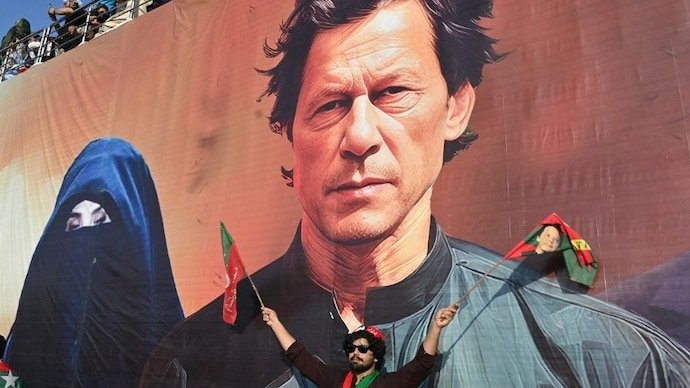
The political landscape in Pakistan-occupied Kashmir (POK) has become increasingly volatile after Pakistan Tehreek-e-Insaf (PTI), the party founded by former Prime Minister Imran Khan, announced that it will boycott the Legislative Assembly Elections scheduled for July 27. The decision comes amid weeks of anti-government demonstrations that have evolved from economic protests into a broader movement questioning Governance, political representation, and Islamabad’s policies in the region.
PTI stated that its decision was intended as an expression of solidarity with protesters rather than an electoral strategy, arguing that it would not participate until what it described as an independent, peaceful, and democratic political environment is established. The announcement has added a significant political dimension to an already tense situation, where protests, administrative actions, and competing political narratives continue to shape developments.
While demonstrations have attracted considerable attention, many of the slogans, political statements, and interpretations circulating during the protests represent the views of individual speakers or participating groups and should not be interpreted as established facts about the legal status of the territory.
Why PTI Decided to Boycott the Elections
According to the party’s public statement, PTI believes participating in the current electoral process would not reflect the prevailing political circumstances in Pakistan-occupied Kashmir.
The party linked its boycott directly to the ongoing protest movement led by the Jammu Kashmir Joint Awami Action Committee (JAAC), which has organized demonstrations demanding reforms related to governance, public services, and economic conditions.
PTI emphasized that the decision was not aimed at securing political advantage but rather at expressing support for what it described as democratic rights and peaceful political participation.
What Triggered the Current Protest Movement?
The demonstrations initially began over economic concerns affecting residents across parts of Pakistan-administered Kashmir.
Among the primary issues raised by protesters are:
- High electricity costs.
- Inflation.
- Availability of subsidized wheat.
- Economic hardship.
- Governance and accountability.
- Resource distribution.
As the movement expanded, demands reportedly broadened to include wider political and administrative reforms, transforming what began as an economic campaign into a larger civic movement.
Who Is the Jammu Kashmir Joint Awami Action Committee (JAAC)?
The Jammu Kashmir Joint Awami Action Committee is a coalition of civil society representatives, traders, lawyers, students, and community organizations that has coordinated much of the recent protest activity.
Rather than functioning as a traditional political party, JAAC has focused primarily on public policy issues affecting everyday life, including utility costs, inflation, and governance.
Its growing public profile reflects increasing dissatisfaction among sections of the local population regarding economic conditions and administrative policies.
Recent Government Action Against JAAC
Earlier this year, authorities imposed restrictions on JAAC under Pakistan’s Anti-terrorism Act following protests that reportedly turned violent in some areas.
The government’s decision has further intensified political tensions, with supporters arguing that peaceful civic movements should be addressed through dialogue, while authorities have maintained that public order and security remain important considerations.
The differing perspectives illustrate the broader political divide surrounding the ongoing demonstrations.
Election Boycott: What It Means
Election boycotts have historically been used by political parties around the world to express concerns about electoral conditions or political legitimacy.
| Possible Impact | Explanation |
|---|---|
| Reduced political participation | Fewer major parties contesting elections. |
| Greater political attention | Boycotts often highlight broader grievances. |
| International interest | Observers may examine electoral conditions more closely. |
| Public debate | Focus shifts from campaigning to governance issues. |
Whether a boycott strengthens or weakens a political movement often depends on voter participation, public opinion, and subsequent political developments.
Understanding the Political Context of Pakistan-Occupied Kashmir
Pakistan-administered Kashmir has its own elected Legislative Assembly and local government institutions, while defense, foreign affairs, and several strategic matters remain connected to Pakistan’s federal framework.
The territory occupies a central place in the broader Kashmir dispute, which has remained unresolved for decades and continues to influence regional politics and diplomacy.
Political debates within the territory often involve both local governance issues and broader constitutional questions.
Economic Issues Behind the Demonstrations
Although political slogans have attracted widespread attention, economic concerns remain central to the current protests.
Residents have raised concerns regarding:
- Increasing living costs.
- Energy pricing.
- Employment opportunities.
- Availability of subsidized essential goods.
- Public service delivery.
- Administrative transparency.
Such concerns have become increasingly prominent as broader economic pressures have affected households across Pakistan in recent years.
Political Statements and Public Demonstrations
During recent rallies, several protest leaders made strong political statements regarding governance and the future of the region. These remarks received significant public attention and generated widespread discussion across political circles.
However, statements made during political demonstrations represent the views of the speakers and should not be interpreted as official legal or constitutional positions.
Public protests often include a wide range of opinions expressed by participants, reflecting the diversity of perspectives within any political movement.
Comparison: Economic Demands vs. Political Demands
| Economic Issues | Political Issues |
|---|---|
| Electricity pricing | Governance reforms |
| Inflation | Administrative accountability |
| Food availability | Political participation |
| Cost of living | Institutional transparency |
| Employment | Democratic processes |
The overlap between economic hardship and governance concerns has contributed to the movement’s continued momentum.
Why Election Timing Matters
Holding elections during periods of widespread political demonstrations can create additional challenges for both authorities and political parties.
Governments generally seek to ensure:
- Safe polling arrangements.
- Peaceful campaigning.
- Voter participation.
- Administrative continuity.
- Public confidence in the electoral process.
At the same time, opposition groups may use elections to highlight broader political issues affecting governance and public administration.
Expert Insight: Boycotts Can Reshape Political Debate
Political analysts often note that election boycotts shift public attention away from campaign promises and toward questions about the broader political environment. Whether such strategies ultimately strengthen or weaken a political movement depends on subsequent voter behavior, public engagement, and the government’s response to underlying grievances.
In situations where protests and elections occur simultaneously, dialogue between stakeholders often becomes an important factor in reducing political polarization.
Regional Implications
Developments in Pakistan-administered Kashmir are closely monitored because of the region’s strategic significance within South Asia. Political developments can influence domestic governance discussions, regional diplomacy, and broader public discourse concerning the Kashmir issue.
At the same time, local economic conditions remain a major concern for residents, regardless of wider geopolitical considerations.
Future Outlook
Attention will now focus on how the election proceeds and whether authorities and protest organizers pursue dialogue alongside the ongoing political process. The coming weeks may determine whether current tensions ease through negotiations or whether demonstrations continue after the scheduled vote.
The participation of voters, responses from political parties, and administrative measures adopted before polling day will all influence the evolving political landscape in Pakistan-administered Kashmir.
Conclusion
PTI’s decision to boycott the July 27 Legislative Assembly elections has added a new layer of political complexity to an already tense situation in Pakistan-administered Kashmir. Coming amid sustained demonstrations over economic conditions and governance issues, the announcement reflects broader political divisions surrounding the region’s current administration and future direction.
While the protests began with demands focused largely on everyday economic concerns, they have increasingly expanded into wider discussions about governance, accountability, and political participation. As elections approach, developments will continue to be closely watched both within Pakistan and internationally, with the emphasis likely remaining on whether dialogue, democratic engagement, and peaceful political processes can help address the concerns raised by various stakeholders.
For breaking news and live news updates, like us on Facebook or follow us on Twitter and Instagram. Read more on Latest World on thefoxdaily.com.



COMMENTS 0