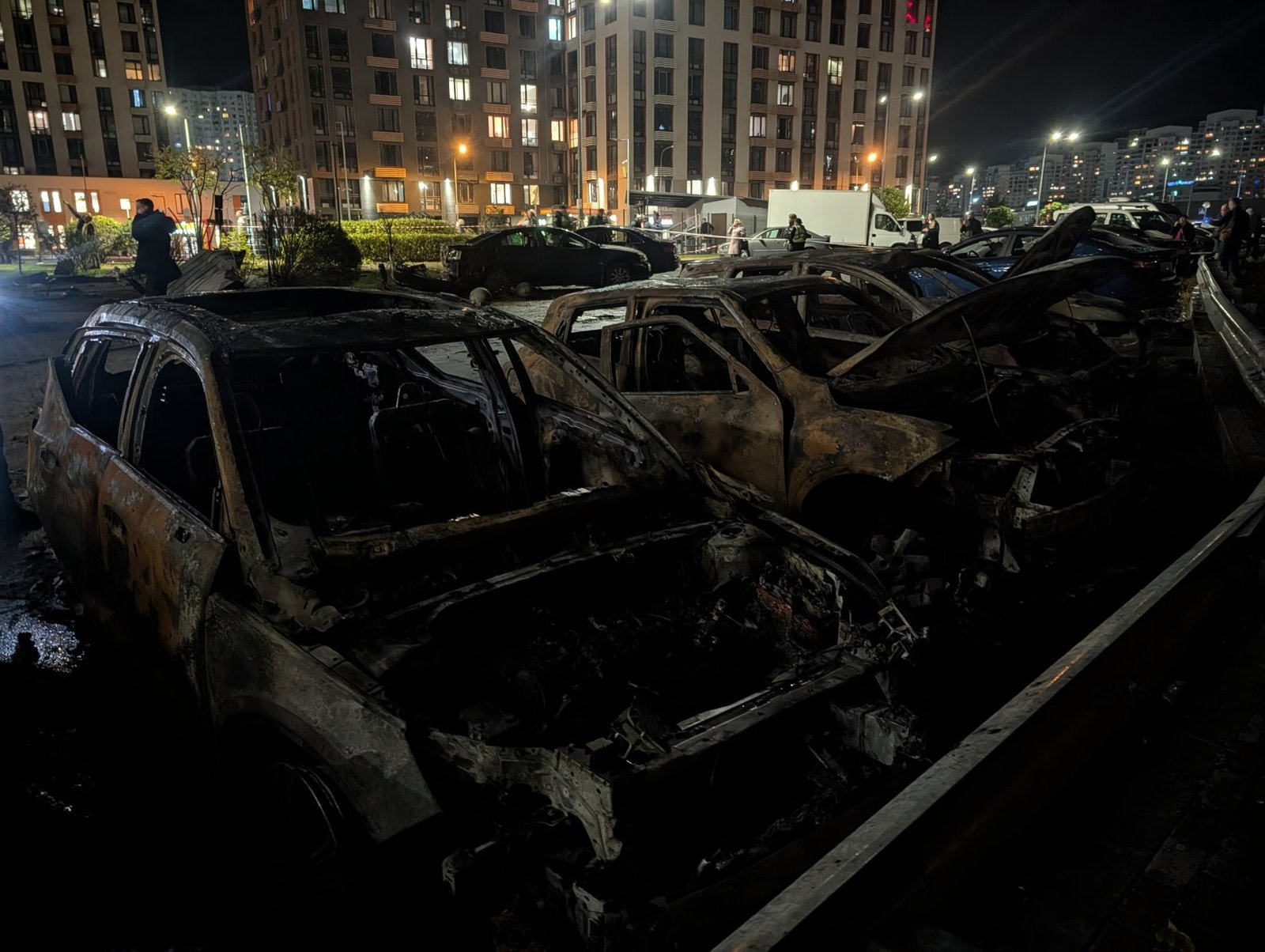
Russia committed war crimes and crimes against humanity in Ukraine by deliberately attacking energy infrastructure and leaving millions of civilians without electricity and heating during freezing winter conditions, according to a United Nations-backed inquiry reported by the Press Trust of India (PTI).
The independent commission of inquiry also found evidence that men from 29 countries, including India, were recruited into the Russian armed forces through deception or coercion to fight in Ukraine, in violation of international law. The findings raise concerns about the impact of attacks on civilian infrastructure and the methods allegedly used to recruit foreign nationals for military service.
Authorised by the Geneva-based United Nations Human Rights Council shortly after Russia launched its full-scale invasion of Ukraine in February 2022, the commission presented its latest report to the UN General Assembly’s human rights committee on Monday. The report focused on the consequences of Russia’s extensive attacks on Ukraine’s energy infrastructure and the alleged recruitment of foreign nationals.
UN Inquiry Says Russian Attacks on Energy Infrastructure Are War Crimes
According to the commission, Russia’s attacks on Ukraine’s energy infrastructure left millions of civilians facing darkness, freezing temperatures and disruptions to essential services during winter. The resulting power cuts affected people in vulnerable situations, including elderly residents, hospital patients and civilians seeking shelter from missile and drone attacks.
The report described how elderly people were left without functioning lifts, making it difficult for them to reach shelters during attacks. Hospital patients also faced the consequences of electricity shortages, with critical life-support equipment among the services affected.
Commission chair Erik Mose said the attacks amounted to war crimes because civilian energy facilities were deliberately targeted. He also said the attacks constituted crimes against humanity because they inflicted great suffering on civilians.
Mose, a former Norwegian judge, made the remarks during a UN news conference by video. He warned that the intensification of attacks ahead of winter raised serious concerns about the threats facing civilians.
The commission’s conclusions focus on the effects of damage to essential infrastructure, particularly when electricity and heating become difficult to maintain during severe winter weather. Energy infrastructure supports homes, hospitals and other civilian services, making prolonged disruptions especially dangerous for people who depend on reliable power.
Report Draws on Testimony From 255 Ukrainians
The inquiry said its findings were based on accounts from 255 Ukrainians who experienced winter conditions in Kyiv and eight other regions during 2025-26. The commission also considered information provided by government officials, doctors and civic organisations.
These accounts helped the investigators examine how attacks on energy infrastructure affected civilians and disrupted essential services. The reported experiences included power outages, difficulties accessing shelters and interruptions to medical equipment needed by hospital patients.
The commission said Russia had not responded to requests for comment on any of its reports, including the latest findings, according to PTI.
Russia’s mission to the United Nations said on Monday that the country did not recognise the commission’s mandate. It also dismissed the findings, claiming that they were based on “falsified data”.
Throughout the war, Russian authorities have maintained that their forces target military or military-related facilities in Ukraine, including sites used in the interests of the Ukrainian armed forces. The commission’s conclusions differ from that position, stating that the attacks on energy infrastructure involved deliberate strikes against civilian facilities.
The competing positions underline the dispute surrounding the targeting of infrastructure during the conflict. The commission’s report sets out its findings based on the evidence it examined, while Russia has rejected the inquiry’s authority and conclusions.
UN Commission Documents Recruitment of Foreign Nationals Into Russian Military
Alongside its findings on energy infrastructure, the commission investigated the recruitment of foreign nationals into Russia’s armed forces. It found evidence that men from 29 countries had been recruited through deception or coercion, despite the Russian authorities’ general position that foreign enlistment was voluntary.
Russian authorities have openly recruited foreigners into the military, offering incentives such as faster access to Russian citizenship. Enlistment has also been made mandatory for some foreigners seeking permanent residency in Russia, according to the report’s background information.
However, the commission said some recruitment operations involved agents working in coordination with others in foreign countries. These agents allegedly presented themselves as legitimate businesses endorsed by governments, creating the impression that the opportunities they offered were genuine.
According to the report, the agents arranged visas for prospective recruits and sometimes travelled with them. After the men arrived in Russia, they were allegedly forced to sign documents written in Russian with the Defence Ministry, despite not understanding what they were signing.
The commission said recruits were shocked to discover that they would be serving in the Russian armed forces.
The findings suggest that the recruitment process described in the report went beyond ordinary voluntary enlistment. Allegations of deception and coercion raise concerns about whether the men understood the nature of the arrangements they entered into and whether they had a genuine choice about serving in the military.
Men From 29 Countries Identified in the Inquiry
The commission investigated the recruitment of nationals from 48 countries and found evidence of deceptive or coercive recruitment involving men from 29 of them. The countries identified in the report span Asia, Africa, Europe and the Americas.
The 29 countries named by the inquiry are:
- Azerbaijan
- Bangladesh
- Belarus
- Bolivia
- Brazil
- Botswana
- Cameroon
- Colombia
- Dominican Republic
- El Salvador
- Ghana
- Honduras
- India
- Jordan
- Kenya
- Morocco
- Nigeria
- Peru
- Philippines
- South Africa
- Somalia
- Sri Lanka
- Tajikistan
- Tunisia
- Turkey
- Uganda
- Uzbekistan
- Yemen
- Zimbabwe
India’s inclusion in the list highlights the international reach of the recruitment operations described by the commission. The report alleges that agents in multiple countries helped recruit men through deceptive or coercive arrangements before they entered Russian military service.
The inquiry’s investigation covered nationals from 48 countries, but the commission said it found evidence meeting its findings on deception or coercion for men from 29 countries. The distinction is important: the report does not establish that every foreign national recruited into the Russian military was deceived or coerced.
How the Alleged Recruitment Operations Worked
The commission described a process in which agents operating outside Russia presented recruitment opportunities as legitimate business arrangements. Some allegedly claimed to have government endorsement, while others helped prospective recruits obtain visas and travel to Russia.
Once the men arrived, the report said they were forced to sign documents in Russian with the Defence Ministry that they did not understand. The recruits then discovered that they would be serving in the Russian armed forces.
Such allegations raise questions about informed consent, particularly when prospective recruits are unfamiliar with the language used in official documents or depend on intermediaries to arrange travel and employment opportunities.
The commission said the recruitment methods it documented violated international law. Its findings contrast with the Russian authorities’ general statements that foreign enlistment is voluntary, while highlighting the alleged role of coordinated agents in bringing men into military service.
The report does not suggest that all recruitment of foreign nationals followed the same pattern. Instead, it identifies evidence of deception or coercion involving nationals from 29 countries following an investigation that examined recruitment connected to 48 countries.
What the Findings Mean for Civilians in Ukraine
The inquiry’s findings highlight the severe humanitarian consequences of attacks on essential infrastructure during the war. Electricity and heating are critical for civilian survival during freezing conditions, particularly for elderly people, hospital patients and others who need uninterrupted access to essential services.
When energy facilities are damaged and power supplies are disrupted, the effects can extend beyond individual homes. Hospitals may struggle to operate critical equipment, while residents can face additional dangers when they cannot use lifts or safely reach shelters during missile and drone attacks.
The commission’s assessment that the attacks amounted to war crimes and crimes against humanity reflects its conclusions about the deliberate targeting of civilian energy facilities and the suffering inflicted on the population. Russia, however, has rejected the inquiry’s mandate and disputed the credibility of its findings.
The recruitment findings also broaden the report’s focus beyond the battlefield in Ukraine. By documenting alleged deception and coercion involving foreign nationals, the commission has drawn attention to recruitment practices that may affect people far from the conflict zone.
UN Inquiry Highlights Two Major Concerns
The commission’s report identifies two major areas of concern: the impact of Russian attacks on Ukraine’s energy infrastructure and the alleged use of deceptive or coercive methods to recruit foreign nationals into Russia’s armed forces.
On energy infrastructure, investigators concluded that deliberate attacks on civilian facilities caused severe suffering and amounted to war crimes and crimes against humanity. Their findings drew on testimony from 255 Ukrainians who endured winter conditions in Kyiv and eight other regions during 2025-26, alongside information from officials, doctors and civic organisations.
On military recruitment, the commission found evidence that men from 29 countries, including India, were recruited through deception or coercion. The reported methods included the use of agents presenting themselves as legitimate businesses, assistance with visas and the alleged forcing of recruits to sign Russian-language military documents they did not understand.
Russia has rejected the commission’s authority and dismissed its findings as based on falsified data. The inquiry, meanwhile, has presented its conclusions to the UN General Assembly’s human rights committee, bringing renewed attention to civilian suffering in Ukraine and the treatment of foreign nationals recruited into the Russian military.
With PTI inputs
For breaking news and live news updates, like us on Facebook or follow us on Twitter and Instagram. Read more on Latest World on thefoxdaily.com.





COMMENTS 0