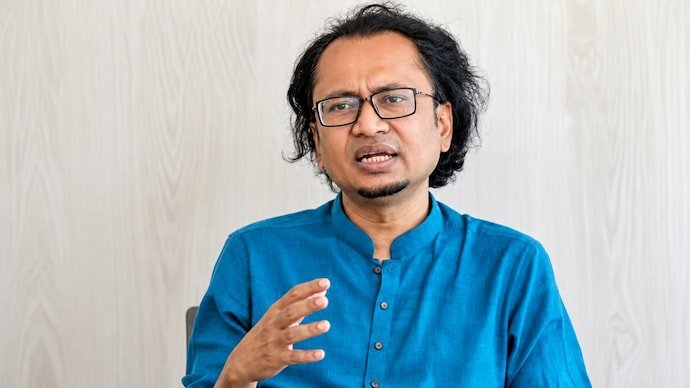
Diplomatic tensions between India and Bangladesh have once again come under the spotlight after Zahed Ur Rahman, a senior adviser to Bangladesh Prime Minister Tarique Rahman, returned to Dhaka after being stopped for nearly two-and-a-half hours at New Delhi’s Indira Gandhi International Airport.
While Indian authorities eventually cleared his entry following higher-level intervention, Rahman chose not to proceed with his visit and instead returned home, describing his decision as an “instant protest” against what he termed harassment by Indian authorities.
The incident has since grown beyond an airport dispute. It has triggered diplomatic exchanges, political messaging, media scrutiny, and renewed questions about the evolving relationship between two of South Asia’s most important neighbours.
What Happened at New Delhi Airport?
According to reports emerging from both countries, Zahed Ur Rahman arrived in New Delhi to participate in activities linked to a regional diplomatic engagement.
However, Immigration authorities reportedly stopped him upon arrival and subjected him to additional verification procedures that lasted approximately two-and-a-half hours.
Although he was eventually granted permission to enter India, Rahman decided not to continue his journey.
Instead, he returned to Dhaka via Colombo, framing the decision as a deliberate political statement rather than a personal inconvenience.
The move immediately transformed what could have remained an administrative issue into a diplomatic Controversy.
Why the Incident Became Politically Sensitive
International travel restrictions or additional immigration scrutiny are not uncommon.
However, this case became sensitive because Rahman was not travelling as a private citizen.
He was representing the Bangladeshi government in an official capacity.
For Dhaka, the issue therefore touched on matters of diplomatic respect and sovereign representation.
Rahman later argued that his reaction was intended to send a message that Bangladesh’s current administration expected to be treated differently from previous governments.
His remarks suggested that the issue was about more than airport procedures—it was about political recognition and bilateral perceptions.
Who Is Zahed Ur Rahman?
Zahed Ur Rahman is among the influential advisers associated with Bangladesh’s current political Leadership.
He serves in a policy and strategic advisory role and has frequently commented on regional Politics, foreign affairs, and Bangladesh’s relationship with neighbouring countries.
Over the years, Rahman has become known for his outspoken views on India-Bangladesh relations.
His comments have often generated debate because they reflect a more assertive approach toward issues involving national sovereignty and regional Diplomacy.
This background helps explain why his airport experience quickly became a major political story rather than a routine travel dispute.
Understanding the Watchlist Reports
Several reports have suggested that Rahman may have appeared on an Indian watchlist and was travelling on an ordinary passport rather than a diplomatic passport.
If accurate, these factors could explain why additional immigration scrutiny was conducted.
Governments around the world routinely maintain watchlists for Security, immigration, intelligence, or administrative reasons.
Being subjected to additional screening does not necessarily imply wrongdoing.
However, when the individual involved holds a senior governmental position, such actions can carry diplomatic consequences regardless of the underlying reasons.
The lack of a detailed public explanation from Indian authorities has further contributed to speculation and Political Debate.
Why Bangladesh Reacted Strongly
Following the incident, Bangladesh summoned a senior Indian diplomat in Dhaka.
This step is often used by governments to formally register concern or seek clarification regarding actions taken by another country.
While summoning a diplomat does not automatically signal a major diplomatic crisis, it indicates that the issue is being taken seriously at the governmental level.
For Bangladesh, the matter appears to involve three important principles:
- Respect for official representatives
- Recognition of sovereign equality
- Transparency regarding immigration decisions
Dhaka’s response suggests that officials viewed the incident as extending beyond a routine administrative procedure.
The Political Message Behind Rahman’s Protest
Perhaps the most significant aspect of the controversy is the message Rahman intended to send.
During his remarks in Dhaka, he repeatedly emphasized that Bangladesh’s current government possesses a public mandate and should not be viewed through the lens of previous administrations.
This statement carries both domestic and international significance.
Domestically, it reinforces the government’s effort to project confidence and independence.
Internationally, it signals a desire for Bangladesh to engage with regional partners on terms that reflect its current political realities.
In many ways, the airport incident became a symbolic platform for broader political messaging.
India-Bangladesh Relations: A Complex Partnership
To understand why this controversy matters, it is important to examine the broader relationship between India and Bangladesh.
The two countries share one of South Asia’s most significant bilateral partnerships.
| Area | India-Bangladesh Cooperation |
|---|---|
| Trade | One of India’s largest trading relationships in South Asia |
| Connectivity | Road, rail, inland waterways and port access |
| Security | Counter-terrorism and border coordination |
| Energy | Cross-border electricity and fuel cooperation |
| Culture | Deep linguistic and historical connections |
| Regional Diplomacy | Cooperation through BIMSTEC and other forums |
Despite occasional disagreements, both countries have generally maintained strong engagement across economic, strategic, and cultural sectors.
Why Symbolism Matters in Diplomacy
International Relations often operate on symbolism as much as substance.
Small incidents can sometimes create outsized reactions because they are interpreted as signals about respect, recognition, or intent.
History offers numerous examples where airport detentions, visa disputes, or diplomatic protocol disagreements generated tensions far beyond their immediate circumstances.
In this case, Rahman’s decision to return home transformed a procedural issue into a symbolic act.
His protest was designed not only for Indian authorities but also for domestic audiences within Bangladesh.
The message was clear: senior representatives of Bangladesh should be treated in a manner consistent with their official status.
Will This Affect India-Bangladesh Relations?
At present, most analysts believe the controversy is unlikely to fundamentally alter the relationship between the two countries.
There are several reasons for this assessment.
- Economic ties remain strong.
- Regional security cooperation continues.
- Both governments benefit from stable relations.
- Multiple diplomatic channels remain active.
- Neither side has escalated rhetoric dramatically.
Notably, Rahman himself stated that he hoped the incident would not damage future relations.
He also indicated that he would have no objection to visiting India again if procedures were properly followed.
Such statements suggest that both sides may ultimately seek de-escalation rather than confrontation.
The Broader Geopolitical Context
The controversy emerges at a time when South Asia is experiencing significant geopolitical shifts.
Countries across the region are increasingly balancing Relationships with multiple global powers while asserting greater strategic autonomy.
Bangladesh, in particular, has expanded its international engagement through economic diplomacy, Infrastructure partnerships, and regional cooperation initiatives.
As nations become more confident on the global stage, issues involving sovereignty and diplomatic treatment often attract greater political sensitivity.
This context helps explain why an airport incident quickly evolved into a national and diplomatic discussion.
Lessons for Future Diplomacy
The episode offers several lessons for governments and policymakers.
First, clear communication remains critical during sensitive diplomatic interactions.
Second, administrative decisions involving senior officials can carry political consequences beyond their immediate purpose.
Third, in an age of instant media coverage, even brief incidents can rapidly become international stories.
Finally, symbolic gestures often matter as much as formal policy decisions in shaping public perceptions of bilateral relationships.
Conclusion: More Than an Airport Dispute
The controversy surrounding Zahed Ur Rahman’s brief detention at New Delhi’s airport is about far more than immigration procedures. It touches on issues of diplomatic protocol, national dignity, political messaging, and the evolving dynamics of India-Bangladesh relations.
While the immediate dispute appears unlikely to derail the broader partnership between the two neighbours, it serves as a reminder that diplomacy is often shaped by perception as much as policy.
The coming weeks will reveal whether the matter quietly fades through diplomatic engagement or remains a talking point in the broader conversation about regional politics. For now, both New Delhi and Dhaka appear eager to prevent the episode from escalating into a larger confrontation, even as questions about what exactly happened at the airport continue to generate debate.
For breaking news and live news updates, like us on Facebook or follow us on Twitter and Instagram. Read more on Latest World on thefoxdaily.com.






COMMENTS 0