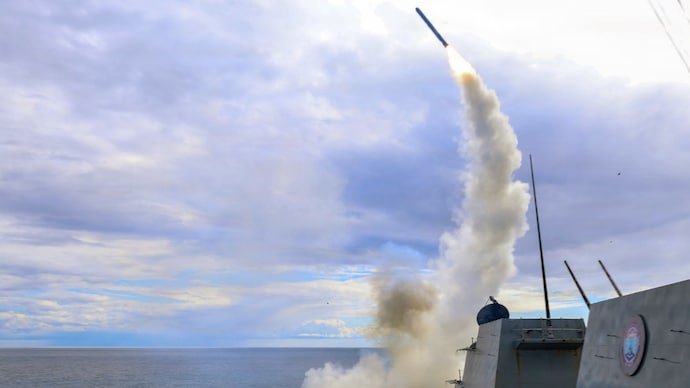
The Middle East has entered one of its most dangerous periods in years as the United States and Iran exchanged fresh military strikes, raising fears that a localized confrontation could spiral into a broader regional conflict. Reports of explosions across southern Iran, retaliatory missile launches targeting US-linked military facilities in neighboring countries, and growing uncertainty around the Strait of Hormuz have heightened concerns among governments, energy markets, and military planners worldwide.
The latest escalation comes after American forces launched another round of strikes against targets inside Iran, prompting Tehran to respond with claims of attacks against US Military assets across the Gulf region. While conflicting accounts continue to emerge from both sides, one fact is clear: tensions between Washington and Tehran have moved beyond diplomatic threats and entered a phase where military actions are increasingly shaping the relationship.
The crisis is significant not only because of the military confrontation itself but because of where it is unfolding. The Persian Gulf remains one of the world’s most strategically important regions, serving as a critical artery for global energy supplies, international shipping, and regional security arrangements.
As both countries harden their positions, the risk of miscalculation is growing, raising questions about whether the conflict can be contained or whether it may pull additional countries into a wider confrontation.
How the Latest US-Iran Escalation Unfolded
The latest round of fighting began with reports of American military strikes targeting multiple locations inside Iran. Iranian media reported explosions in Sirik, Minab, Bandar Abbas, Qeshm Island, and other locations, while air defense systems were activated across several regions.
According to statements from US military officials, the operations were launched in response to what Washington described as continued Iranian aggression against American interests and forces in the region.
President Donald Trump publicly indicated that further military action was likely, stating that previous strikes had inflicted significant damage and warning Tehran that additional attacks could follow unless diplomatic progress was made.
Defense Secretary Pete Hegseth reinforced that message by suggesting that military operations would continue in support of broader US strategic objectives.
The strikes marked another escalation in a confrontation that has already involved missile attacks, drone operations, naval tensions, and repeated warnings from both sides.
Iran’s Retaliation Expands the Conflict Beyond Its Borders
Iran responded by claiming responsibility for missile attacks against multiple military targets associated with the United States in the Gulf region.
According to Iranian military statements, ballistic missiles were launched toward facilities in Jordan, Kuwait, and Bahrain that support US military operations.
The claims immediately triggered alarm across the region.
Bahrain activated emergency warning sirens, while Kuwait temporarily suspended air traffic operations amid concerns about incoming missiles and drones.
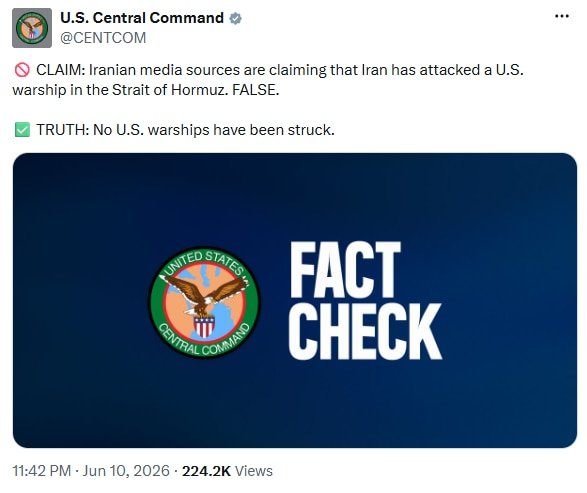
Although US military officials disputed several Iranian claims regarding damage and successful strikes, the incidents demonstrate how rapidly the conflict is expanding geographically.
Unlike previous confrontations that were largely confined to Iraq, Syria, or isolated maritime incidents, the current escalation has implications for nearly every Gulf nation hosting American military personnel.
This broader battlefield significantly increases the risk of accidental escalation involving countries that are not direct parties to the conflict.
Why the Strait of Hormuz Matters More Than Any Other Waterway
Perhaps the most consequential development is Iran’s announcement regarding the Strait of Hormuz.
The narrow waterway connecting the Persian Gulf to the Gulf of Oman is widely considered one of the world’s most important maritime chokepoints.
Roughly one-fifth of global petroleum consumption passes through the Strait of Hormuz, making it critical to international energy security.
| Strategic Importance of the Strait of Hormuz | Impact |
|---|---|
| Global Oil Transport | Approximately 20% of global oil trade passes through the strait |
| LNG Shipments | Major route for liquefied natural gas exports |
| Regional Economies | Essential for Gulf exporters including Saudi Arabia, UAE, Kuwait, Iraq, and Qatar |
| Global Trade | Key route for commercial shipping and energy supplies |
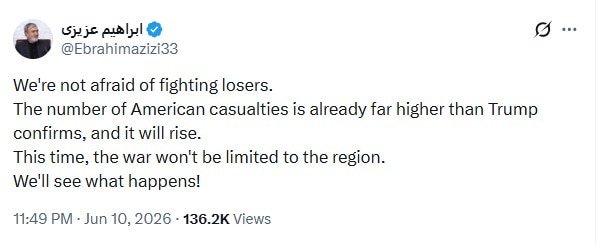
Iran’s declaration that it would restrict maritime traffic immediately raised concerns about disruptions to energy markets.
Even if the closure is only partially enforced, uncertainty alone can influence oil prices, insurance costs, shipping routes, and investor confidence.
For major energy-importing nations such as India, china, Japan, South Korea, and many European countries, any prolonged disruption would carry significant economic consequences.
The Economic Fallout Could Extend Far Beyond the Middle East
While military analysts focus on missiles and air strikes, economists are increasingly concerned about the conflict’s impact on global markets.
Energy prices remain particularly vulnerable.
The Gulf region accounts for a substantial share of the world’s oil exports. Any threat to production facilities, shipping lanes, or tanker traffic could tighten global supply and increase prices.
Historically, geopolitical tensions involving the Strait of Hormuz have often triggered immediate market reactions.
Higher oil prices typically affect:
- Fuel costs for consumers.
- Transportation and logistics expenses.
- Airline operating costs.
- Manufacturing input prices.
- Inflation rates worldwide.
- Government energy subsidy programs.
For developing economies already managing inflationary pressures, a prolonged energy shock could create additional economic challenges.
A Conflict Years in the Making
The current confrontation did not emerge overnight.
US-Iran Relations have been strained for decades, shaped by disputes over regional influence, sanctions, nuclear activities, military presence, and competing strategic interests across the Middle East.
Several key flashpoints have repeatedly brought the two countries close to direct conflict:
- The Iranian Revolution of 1979.
- Decades of economic sanctions.
- Disputes over Iran’s nuclear program.
- Proxy conflicts in Iraq, Syria, Lebanon, and Yemen.
- Maritime confrontations in the Gulf.
- Attacks on military and energy infrastructure.
Although periods of Diplomacy have occasionally reduced tensions, underlying strategic disagreements have remained unresolved.
The latest military exchanges represent the most serious escalation in recent years because they involve direct attacks rather than indirect confrontations through regional proxies.
What the US Wants From the Conflict
Washington’s stated objective remains preventing threats to American forces, allies, and regional interests.
US officials argue that military strikes are intended to deter further aggression while maintaining pressure on Tehran to change its behavior.
At the same time, American leaders continue to publicly support diplomatic solutions.
The challenge for Washington is balancing military pressure with diplomatic outreach.
Excessive force could trigger broader retaliation, while insufficient deterrence may encourage further attacks against US personnel and facilities.
This strategic dilemma has shaped US policy toward Iran for years and remains central to the current crisis.
What Iran Is Trying to Achieve
From Tehran’s perspective, the confrontation is about demonstrating resilience and deterring foreign pressure.
Iran has consistently argued that it has the right to defend itself against military action and foreign intervention.
By showcasing missile capabilities and threatening strategic infrastructure, Iranian leaders seek to signal that any attack on the country carries significant regional consequences.
This strategy relies on leveraging geography, missile technology, and regional influence to increase the costs of military action against Iran.
However, such actions also risk provoking stronger responses from adversaries and deepening international isolation.
How Gulf Countries Are Being Pulled Into the Crisis
One of the most concerning aspects of the escalation is the growing involvement of Gulf nations.
Countries such as Bahrain, Kuwait, Qatar, Saudi Arabia, and the United Arab Emirates host military installations, logistical hubs, or strategic facilities linked to regional security operations.
As a result, any conflict involving US forces can quickly affect neighboring states.
| Country | Potential Risk from Escalation |
|---|---|
| Bahrain | Military facilities and naval operations |
| Kuwait | Airbases and logistics infrastructure |
| Qatar | Strategic military assets and regional command facilities |
| Saudi Arabia | Energy infrastructure and shipping routes |
| UAE | Ports, trade hubs, and economic interests |
The involvement of additional countries could complicate diplomatic efforts and increase the likelihood of unintended escalation.
The Risk of Miscalculation Is Growing
Military experts often note that prolonged crises become increasingly dangerous because decision-makers operate under intense pressure and incomplete information.
Missile launches, air defense activations, drone operations, and naval maneuvers create environments where misunderstandings can quickly escalate into larger confrontations.
Even when leaders on both sides wish to avoid a full-scale war, a single incident involving casualties, mistaken identification, or infrastructure damage can alter calculations dramatically.
The current situation contains many of these risk factors.
Conflicting claims, competing narratives, and rapidly changing battlefield conditions make it difficult to assess events in real time.
What Happens Next?
Several scenarios are now possible.
Scenario 1: Limited Military Exchange
Both sides continue targeted operations while avoiding actions that could trigger full-scale war.
Scenario 2: Diplomatic Breakthrough
International mediation helps reduce tensions and restart negotiations.
Scenario 3: Regional Escalation
Additional countries become directly involved, expanding the conflict beyond Iran and US forces.
Scenario 4: Energy Crisis
Major disruptions in the Strait of Hormuz trigger significant volatility in global oil and gas markets.
At present, analysts believe the first scenario remains the most likely, but the situation remains highly fluid.
Conclusion
The latest US strikes on Iran and Tehran’s retaliatory actions mark a dangerous new chapter in one of the Middle East’s most consequential rivalries. What began as another exchange of military pressure is increasingly affecting neighboring countries, international shipping routes, and global energy markets.
The Strait of Hormuz has emerged as the central strategic flashpoint, with any disruption carrying potentially enormous economic consequences for countries around the world. At the same time, missile exchanges and military operations across the Gulf highlight how quickly regional tensions can spread beyond national borders.
While both Washington and Tehran continue to insist they are acting in defense of their interests, the risk of wider conflict remains real. The coming days will likely determine whether the crisis stabilizes through diplomacy or moves toward a broader confrontation that could reshape the security landscape of the Middle East and impact the global economy far beyond the region.
For breaking news and live news updates, like us on Facebook or follow us on Twitter and Instagram. Read more on Latest World on thefoxdaily.com.





COMMENTS 0