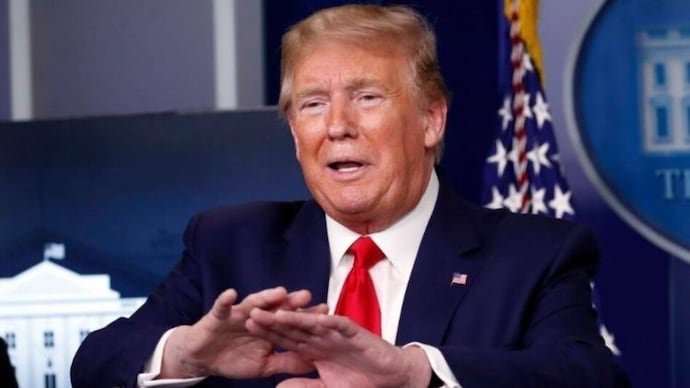
US President Donald Trump has announced a significant shift in his approach to one of the world’s most strategically important maritime corridors, the Strait of Hormuz. Just a day after proposing a 20% reimbursement fee on all cargo transiting the waterway, Trump said the United States would instead pursue large-scale trade and investment agreements with Gulf countries.
The policy reversal comes amid heightened tensions between the United States and Iran, ongoing concerns over global Energy Security, and growing international attention on the future of shipping through the Gulf. While the proposed cargo fee sparked immediate reactions from governments and markets, Trump’s latest announcement signals a preference for strengthening economic partnerships with Gulf allies rather than introducing a new levy on global maritime trade.
Despite dropping the fee proposal, Trump reiterated that the United States would continue to play a central role in safeguarding Maritime Security and announced tougher measures targeting Iranian shipping, underscoring that Washington’s broader strategy toward Tehran remains unchanged.
What Changed in Trump’s Strait of Hormuz Strategy?
In a statement shared on Truth Social, Trump said discussions with leaders from Gulf countries had led to a new approach centered on economic cooperation rather than charging international shipping companies.
Instead of collecting a 20% reimbursement fee from vessels using the Strait of Hormuz, the administration now expects Gulf nations to increase investments and trade commitments with the United States.
According to Trump, these agreements would encourage new manufacturing projects, industrial facilities, and infrastructure investments across the United States while strengthening economic ties with America’s regional partners.
The announcement represents a notable policy shift within just 24 hours of unveiling the original proposal.
Timeline of Events
| Date | Development |
|---|---|
| Day 1 | Trump proposes a 20% reimbursement fee on all cargo passing through the Strait of Hormuz. |
| Iran Responds | Iran rejects the proposal and opposes any US role in managing the strategic waterway. |
| Day 2 | Trump withdraws the fee proposal following discussions with Gulf leaders. |
| Latest Announcement | US shifts focus toward investment agreements while maintaining pressure on Iranian shipping. |
Why the Strait of Hormuz Matters to the Global Economy
The Strait of Hormuz is one of the world’s most important maritime chokepoints, connecting the Persian Gulf with the Gulf of Oman and the Arabian Sea. It serves as the primary export route for crude oil, liquefied natural gas (LNG), and other commodities produced by Gulf countries.
A significant share of internationally traded crude oil moves through this narrow passage every day, making its stability essential for global energy markets.
Countries that rely heavily on energy imports—including India, china, Japan, South Korea, and several European economies—closely monitor developments affecting shipping through the strait because disruptions can influence fuel prices, transportation costs, and broader inflation.
Strategic Importance of the Strait of Hormuz
| Key Factor | Why It Matters |
|---|---|
| Global Oil Trade | A major share of internationally traded crude oil passes through the strait. |
| Natural Gas Exports | Critical route for liquefied natural gas shipments. |
| Global Shipping | Vital corridor connecting Gulf producers with international markets. |
| Regional Security | Frequently affected by geopolitical tensions involving Iran and Western allies. |
Why Trump Dropped the 20% Cargo Fee Proposal
Although the administration did not provide detailed reasons for the reversal, the shift toward investment agreements reflects a different economic strategy.
A universal cargo fee could have increased shipping costs for businesses worldwide, potentially affecting global supply chains and energy prices. By replacing the proposal with bilateral investment commitments, the administration appears to be pursuing economic benefits without directly imposing additional costs on international maritime trade.
The revised approach also aligns with broader efforts to strengthen economic partnerships with Gulf allies while encouraging foreign investment into the United States.
Investment Deals Could Replace Direct Revenue
Trump stated that Gulf nations would make substantial trade and investment commitments that would support American manufacturing and job creation.
According to the announcement, these investments are expected to contribute to:
- Expansion of manufacturing facilities.
- Construction of industrial plants.
- Investment in advanced equipment.
- Growth in infrastructure projects.
- Creation of additional employment opportunities.
- Long-term economic cooperation between the US and Gulf states.
While specific agreements have not yet been announced publicly, investment partnerships have become an increasingly important element of economic diplomacy between the United States and Gulf countries.
Trump Maintains Tough Position on Iran
Although the cargo fee proposal has been withdrawn, Trump’s broader policy toward Iran remains firm.
The President announced what he described as a full blockade targeting vessels associated with Iranian ports or carrying Iranian cargo. He also reiterated that Iran would not be allowed to develop nuclear weapons.
These statements indicate that while economic policy toward Gulf allies has shifted, Washington’s strategic posture toward Tehran remains largely unchanged.
Iran Rejects Any US Role in the Strait
Iran has consistently opposed any suggestion that foreign powers should oversee navigation through the Strait of Hormuz.
Following Trump’s earlier proposal, Iranian officials rejected the idea of American control over the waterway and warned against military involvement that could alter the existing regional balance.
Iranian authorities also cautioned neighboring countries against cooperating with measures they believe could undermine Iran’s security interests.
The exchange reflects the continuing geopolitical rivalry that has shaped security dynamics in the Gulf for decades.
How Gulf Investment Could Benefit the US Economy
Foreign direct investment from Gulf sovereign wealth funds has become an increasingly important source of capital for infrastructure, technology, manufacturing, real estate, and energy projects around the world.
If additional investment agreements materialize, they could support:
- Expansion of industrial production.
- Modernization of manufacturing facilities.
- Investment in emerging technologies.
- Employment growth in multiple sectors.
- Strengthened economic partnerships with Gulf allies.
Such agreements often extend beyond financial investments and include technology cooperation, energy collaboration, and long-term commercial partnerships.
Economic vs. Security Strategy: What’s Different?
| Original Proposal | Revised Strategy |
|---|---|
| 20% cargo reimbursement fee. | Trade and investment agreements. |
| Direct revenue from shipping. | Long-term economic partnerships. |
| Potential increase in shipping costs. | Focus on investment-driven growth. |
| Immediate financial collection. | Manufacturing and employment expansion. |
Potential Impact on Global Shipping
The decision to abandon the proposed cargo fee may reduce uncertainty for international shipping companies that rely on the Strait of Hormuz.
A universal transit charge could have affected freight costs across multiple industries, including energy, manufacturing, agriculture, and consumer goods.
Although geopolitical risks remain due to regional tensions, avoiding additional transit fees may help preserve the existing commercial framework governing one of the world’s busiest maritime routes.
What This Means for Energy Markets
Energy traders closely monitor developments involving the Strait of Hormuz because even small disruptions can influence global oil prices.
Maintaining uninterrupted navigation remains critical for international energy security. Any prolonged escalation involving military operations, shipping restrictions, or sanctions could contribute to increased market volatility.
By shifting from a transit fee toward investment diplomacy, the administration may have reduced one source of commercial uncertainty while leaving broader geopolitical tensions unresolved.
Broader Implications for US-Gulf Relations
The announcement highlights the continuing importance of economic diplomacy in US relations with Gulf countries. Beyond energy cooperation, Gulf states have become significant investors in technology, infrastructure, aviation, renewable energy, logistics, and financial markets.
Strengthening these Relationships through investment rather than shipping fees could create broader opportunities for bilateral cooperation while reinforcing long-term strategic partnerships.
At the same time, regional security issues involving Iran remain a central challenge that could influence future diplomatic and economic decisions.
What to Watch Going Forward
Several developments are likely to shape the next phase of this policy shift:
- Details of proposed Gulf investment agreements.
- Implementation of any new economic partnerships.
- International response to the announced measures targeting Iranian shipping.
- Future developments in US-Iran relations.
- Impact on global energy markets and maritime security.
Financial markets and shipping companies will also monitor whether the revised strategy affects commercial confidence in the region.
Conclusion
President Donald Trump’s decision to replace the proposed 20% Strait of Hormuz cargo fee with investment agreements marks a significant shift in economic strategy while preserving a firm stance on regional security. Instead of introducing additional costs for international shipping, the administration is now emphasizing long-term trade partnerships and foreign investment from Gulf nations.
Although the policy reversal may ease concerns within global shipping and energy markets, geopolitical tensions involving Iran continue to present significant challenges for stability in one of the world’s most strategically important maritime corridors. As negotiations with Gulf partners progress, the success of this revised approach will likely depend on whether promised investment commitments materialize while maintaining secure and uninterrupted international trade through the Strait of Hormuz.
For breaking news and live news updates, like us on Facebook or follow us on Twitter and Instagram. Read more on Latest World on thefoxdaily.com.





COMMENTS 0